
 简体中文
简体中文 Русский
 Français
 Português
 Español
 لالعربية

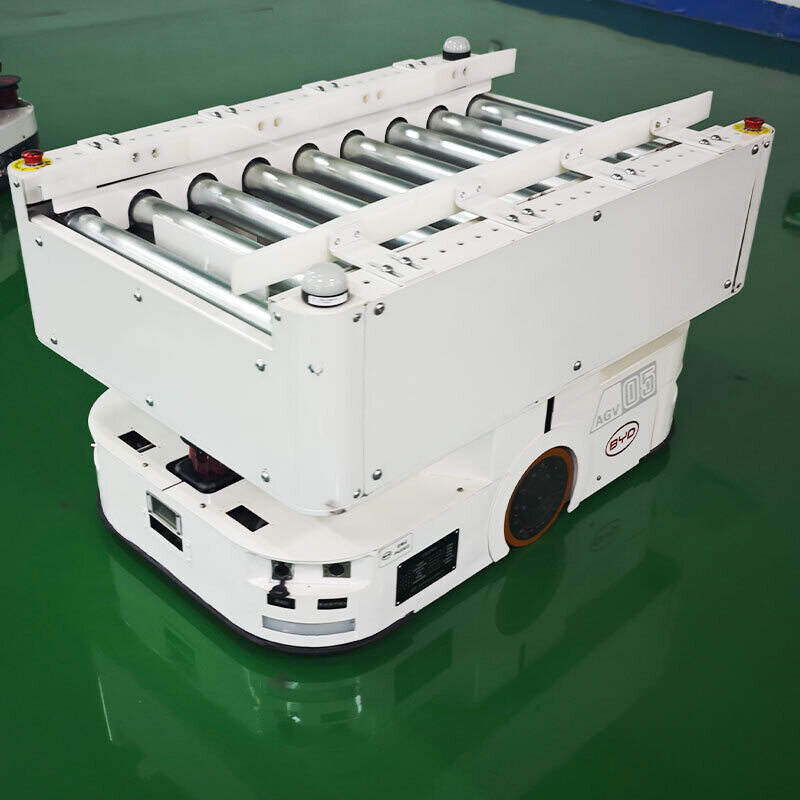
With the rapid development of modern green logistics, electric forklifts have become one of the most widely used material handling equipment in indoor warehouses, manufacturing workshops and distribution centers, meeting the growing demand for low-emission, low-noise and high-flexibility cargo transportation scenarios. Mastering correct operation and maintenance knowledge of electric forklifts can help staff give full play to the equipment’s performance, reduce unnecessary wear and extend the whole service cycle.
Core Performance Features of Modern Electric Forklifts
Different from traditional internal combustion handling equipment, electric forklifts are driven by electric power systems, which will not produce exhaust gas during operation, and the overall noise level is controlled at a relatively low range. This feature makes the equipment very suitable for closed indoor working environments, avoiding the harm of exhaust emission to long-term working staff, and also meeting the environmental protection requirements of most modern industrial parks. The power output of electric forklifts is more stable during low-speed operation, which can bring smoother operation experience for operators, and reduce the shaking risk of fragile and high-value goods during handling.
Standardized Daily Operation Specifications
Before starting the equipment every shift, operators need to complete necessary pre-operation inspection work, including checking the remaining power level of the power unit, the sensitivity of the brake system, the normal state of the warning light and the wear condition of the fork structure. During the operation process, staff should strictly follow the load limit marked on the equipment nameplate, avoid overloading operation, slow down in advance when turning or passing narrow aisles, and do not carry people on the fork platform. It is also not recommended to keep the equipment in full load and high speed driving state for a long time, which will cause extra loss to the power and transmission components.
Scientific Routine Maintenance Suggestions
For the core power unit of electric forklifts, staff should follow the official specifications to complete charging work in ventilated and dry environment, avoid over-discharging the power unit to the lowest limit for a long time, and check the liquid level state of the power unit regularly as required. For the transmission and hydraulic system, regular lubrication of movable parts and inspection of the sealing state of hydraulic pipelines can effectively avoid oil leakage and unsmooth lifting failure. Timely replacement of aged consumable parts can reduce the probability of sudden failure during peak operation periods.
Practical Energy Efficiency Optimization Tips
In daily work, reasonably planning the operation path to reduce unnecessary empty driving distance, turning off the non-necessary on-board power consumption equipment when the equipment is idle, and selecting the matching power output gear according to the actual load condition can effectively reduce the energy consumption per unit handling, and further improve the long-term operation economy of the equipment.


