简体中文
 Русский
 Français
 Português
 Español
 لالعربية


In recent years, with the steady growth of logistics, manufacturing and port freight sectors across Tunisia, more and more local operators are beginning to attach importance to the total cost of ownership of material handling equipment, instead of only focusing on one-time procurement expenditure. Lithium powered forklifts have gradually become a mainstream option for local fleets, and a clear breakdown of their running costs can help operators make more reasonable equipment deployment plans.
First, the energy consumption cost of lithium forklifts stays at a stable and low level adapting to local power supply conditions. Local industrial electricity prices in Tunisia are relatively stable, without the large price fluctuation that often appears in the fuel market. A standard 3-ton lithium forklift consumes around 3 to 4 kWh of electricity per hour under normal full load operation, and the corresponding hourly energy cost is only around one third of that of a same load capacity internal combustion forklift. For operators who arrange charging during off-peak electricity periods, this cost can be further reduced reasonably.
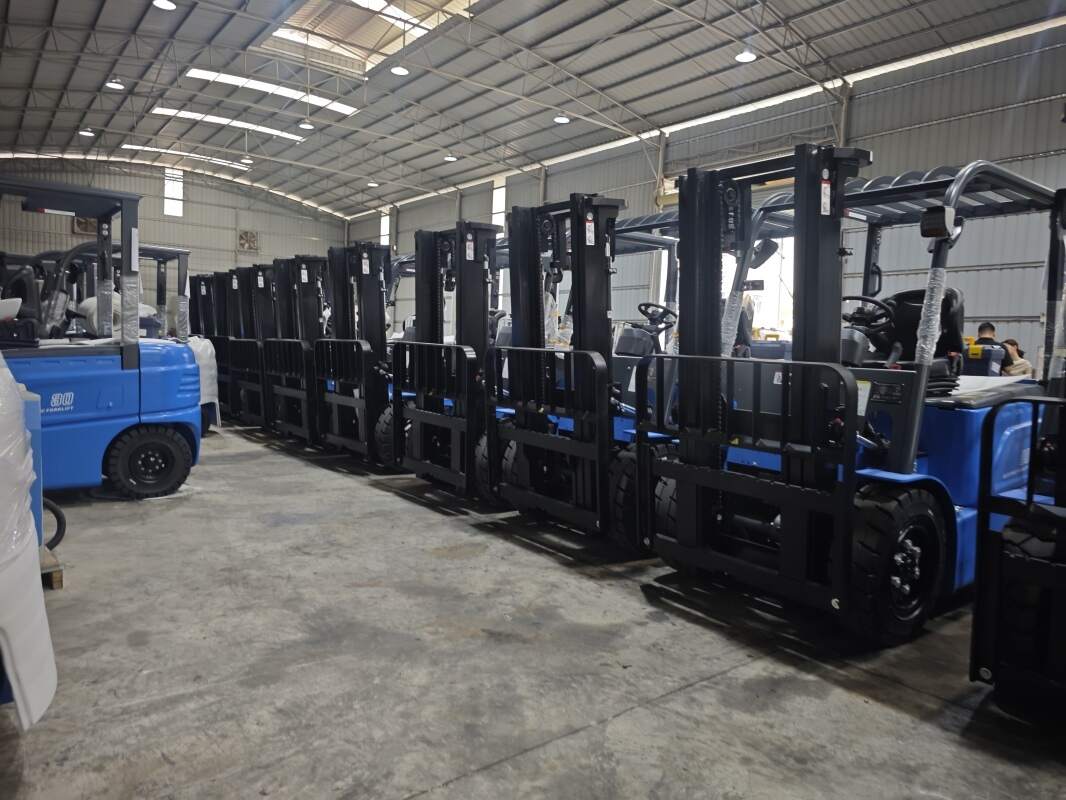
Second, the routine maintenance cost of lithium forklifts is far lower than that of traditional internal combustion counterparts. Lithium power systems do not need regular oil replacement, filter element update, engine calibration and other routine maintenance items required by internal combustion equipment. For the local hot and humid operating environment in Tunisia, the sealed structure of lithium forklift power parts effectively avoids common faults such as air inlet blockage and fuel pipeline corrosion, so the annual non-planned downtime is greatly reduced, and the corresponding maintenance labor and spare parts expenditure can be saved by more than 60% compared with internal combustion forklifts.
Third, lithium forklifts can effectively avoid extra hidden compliance costs. In recent years, Tunisia has gradually introduced stricter environmental protection regulations for port areas, urban storage parks and industrial zones, where extra charges for exhaust emission assessment and carbon emission verification are required for fuel powered equipment. Lithium forklifts produce zero tailpipe emission and generate much lower operation noise, which fully meets local regulatory requirements, and no additional relevant compliance fees will be incurred during the whole usage period.
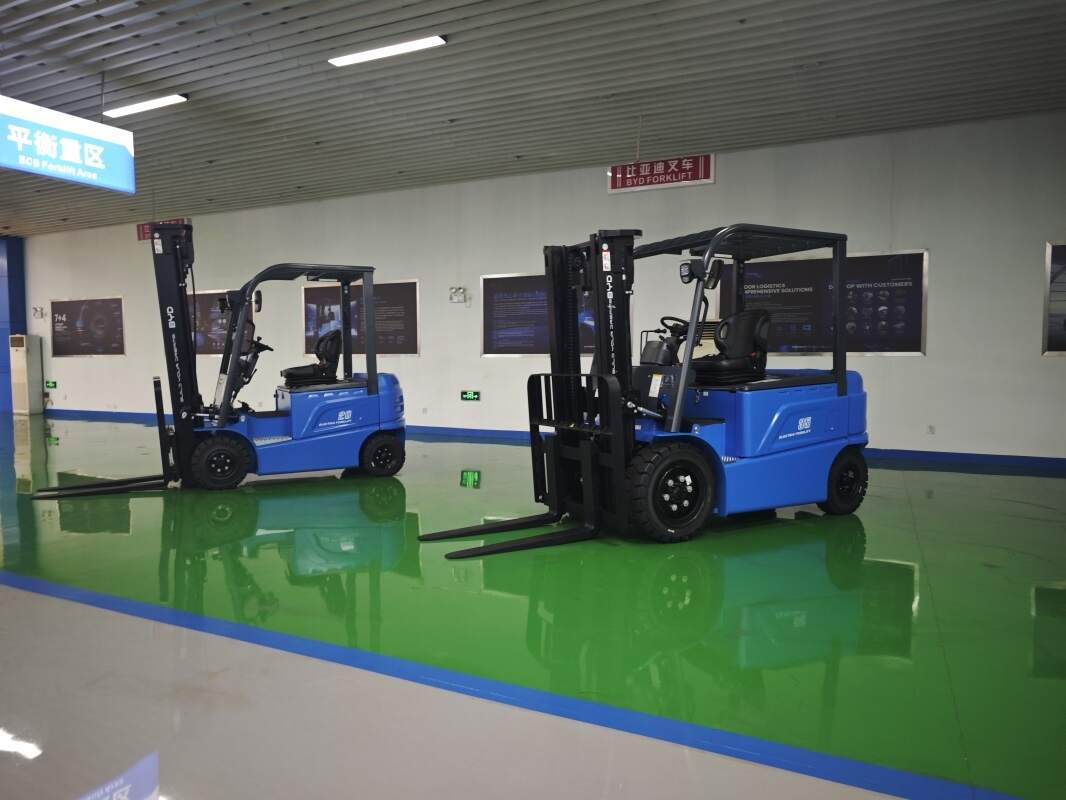
We are Jianshu New Energy, focusing on BYD electric forklifts. We can provide targeted operation cost estimation and matching equipment solutions for different scales of local operation scenarios in Tunisia. If you have relevant demand, you can send consultation emails to [email protected] to get professional customized suggestions.