
 简体中文
 Русский
 Français
 Português
 Español
 لالعربية


Jinja, as a core industrial and logistics hub in eastern Uganda, gathers a large number of manufacturing enterprises, agricultural product processing plants, transit warehouses and port supporting service providers, where four-wheel forklifts have become one of the most widely used material handling equipment in daily operation. For local operation managers, clarifying the composition of running costs of four-wheel forklifts can effectively help enterprises control the total logistics expenditure and improve overall operation benefit.
First of all, the energy consumption cost takes the largest proportion in the daily running expenditure of forklifts. For four-wheel electric forklifts adapted to local grid power supply conditions, the power consumption per working hour stays at a relatively low level, and the unit energy cost is far lower than the fuel cost required by traditional internal combustion forklifts that run the same working hours. For enterprises that arrange 6 to 8 hours of daily forklift operation, the monthly energy cost of electric models can keep at a relatively stable and low level, and will not be greatly affected by the fluctuation of local fuel prices in the market.
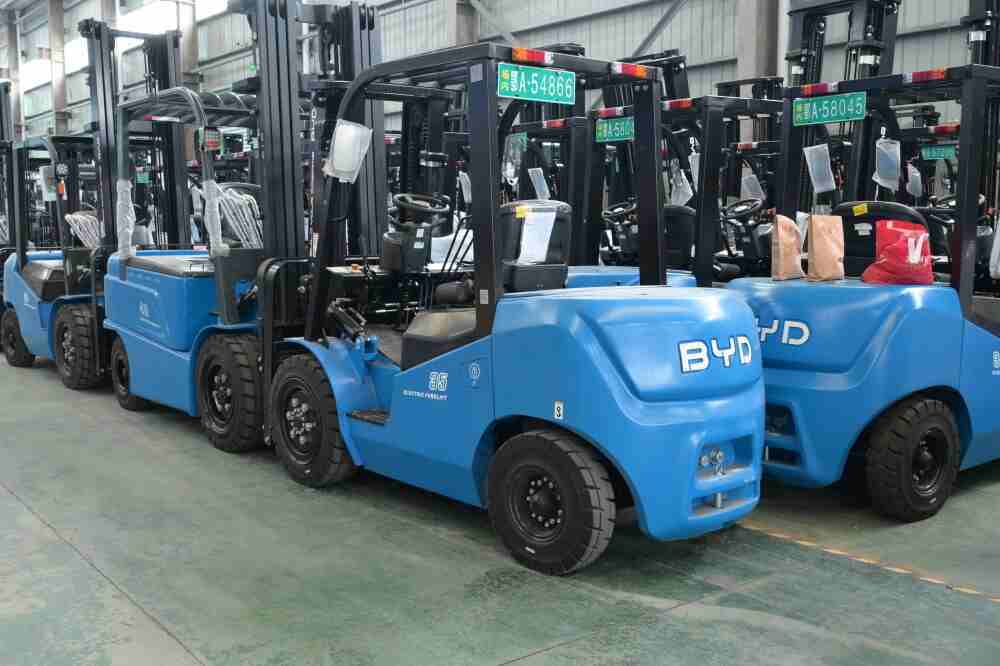
The second part is the daily maintenance cost. The structure of four-wheel electric forklifts cancels a large number of moving parts that are unique to internal combustion power systems, so it does not need regular replacement of engine oil, fuel filters, exhaust system accessories and other consumables in daily use. The conventional maintenance work only includes regular inspection of battery status, brake system, tire wear and circuit connection, and the required consumables and labor cost are much lower than the maintenance expenditure of traditional fuel forklifts. Statistics from actual operation cases in local similar scenarios show that the annual maintenance cost of qualified four-wheel electric forklifts can be controlled at a very friendly level.
In addition, hidden cost items that are easy to be ignored also take up a certain proportion in the total running cost. Four-wheel electric forklifts produce no exhaust emission and low operation noise during working, which can help enterprises save the related environmental protection inspection cost for fuel equipment in local industrial parks, and also reduce the potential health protection expenditure for operators who work in the handling site for a long time. For long-term continuous operation scenarios, the cumulative advantage of running cost of four-wheel electric forklifts will become more obvious with the extension of service life.
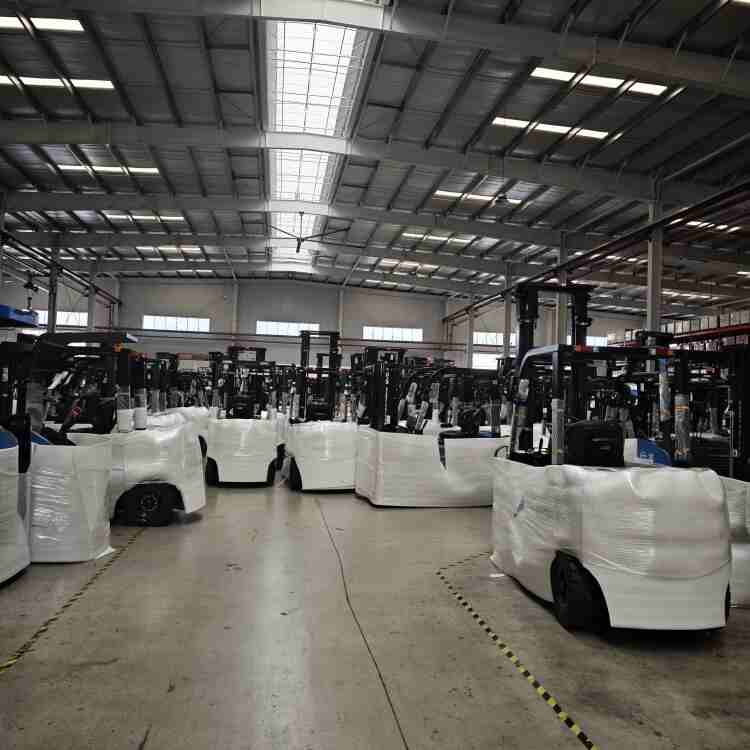
For professional electric forklift matching plan and personalized operation cost evaluation service, you can contact Jian Shu New Energy, which focuses on high-quality BYD electric forklift products. For any demand and consultation, please send email to [email protected].


