
 简体中文
 Русский
 Français
 Português
 Español
 لالعربية


Bulawayo is one of the core industrial and logistics hubs in Zimbabwe, gathering a large number of warehousing, manufacturing, wholesale distribution and port supporting service enterprises. In recent years, more and more local operation teams begin to replace traditional internal combustion handling equipment with electric stackers, to adapt to the stable local energy supply structure and reduce long-term operation expenditure. The actual running cost of electric stacker has become the top concern of most enterprises when making equipment updating decisions.
The first core part of running cost comes from daily energy consumption. The local industrial electricity price in Bulawayo keeps a relatively stable level in recent years, without the frequent price fluctuation of fuel products. A standard 2-ton load electric stacker only consumes less than 4kWh of electricity per hour under normal full load operation, and the energy cost for 8-hour whole shift operation is far lower than the fuel cost of internal combustion stacker with the same load, which helps local enterprises cut more than 60% of daily energy expenditure for material handling. Most operation sites in Bulawayo can arrange overnight charging during off-peak electricity period, to further reduce the energy cost per shift.
The second key part of running cost is routine maintenance expenditure. Electric stackers do not have complex fuel circuit, exhaust processing and internal combustion power components, which do not need regular replacement of engine oil, fuel filter, spark plug and other easily worn consumables. The daily maintenance work only includes battery health check, transmission part lubrication, brake system function verification and body surface cleaning. The annual maintenance cost of electric stacker is at least 40% lower than that of traditional internal combustion equipment, and the local supporting service system can finish most maintenance work on site within short waiting time, no extra cost for long-distance parts transportation.
The hidden cost that many local enterprises easily ignore comes from compliance management. In recent years, Bulawayo local industrial management department has carried out standardized control on exhaust emission and operation noise in factory and warehouse areas. Internal combustion handling equipment needs regular emission detection, and there is potential fine risk if the emission data exceeds the specified standard. Electric stackers produce zero on-site emission and keep low operation noise during working, so enterprises do not need to pay extra emission detection fee and related penalty cost, and the low-noise operation environment also helps reduce the occupational health protection input for frontline operation staff.
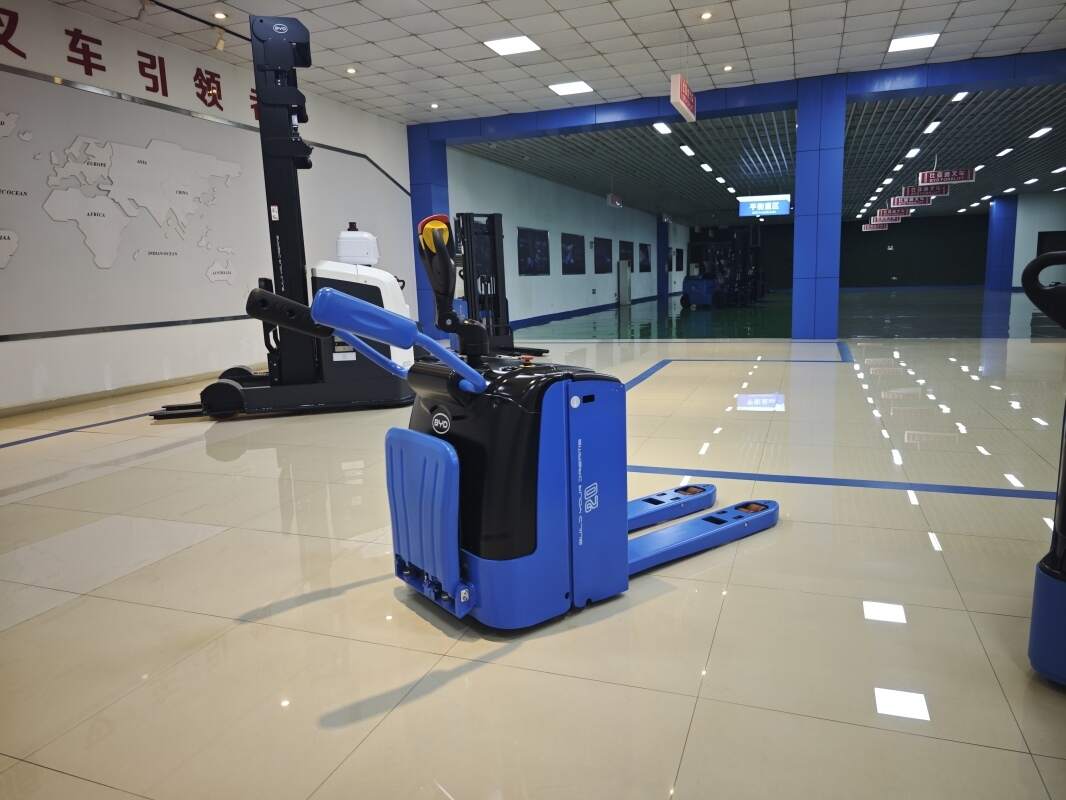
As Jian Shu New Energy, we focus on BYD electric forklifts, and we can provide customized running cost calculation and matching solution for different local enterprises in Bulawayo. If you have related consultation demands, please send email to [email protected] for more professional support.


