
 简体中文
 Русский
 Français
 Português
 Español
 لالعربية


For manufacturing, warehousing, retail distribution and logistics businesses operating in Bulawayo, choosing a cost-effective counterbalance forklift is core to optimizing daily operation efficiency and controlling long-term expenditure. Many local business operators have begun to compare the comprehensive running costs of different types of counterbalance forklifts before purchasing or updating their material handling equipment, to avoid unnecessary hidden expenditure in subsequent long-term use.
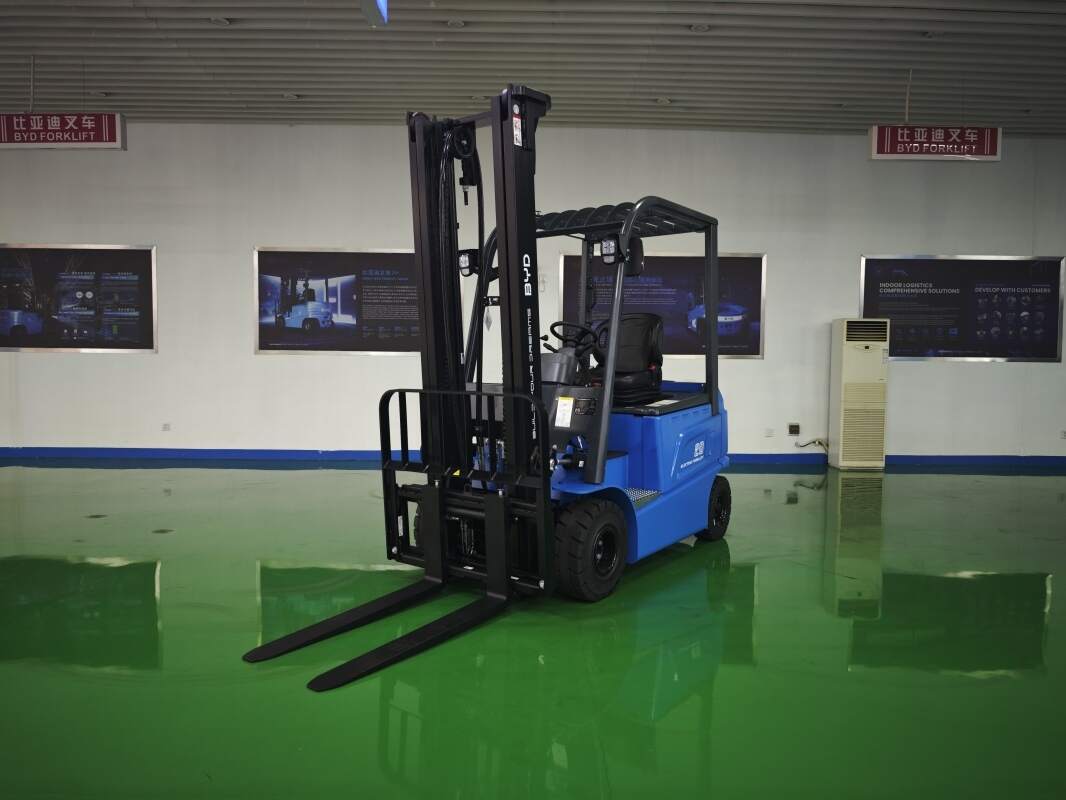
First, energy consumption cost takes up the largest proportion of the daily running expenditure of counterbalance forklifts. For traditional internal combustion counterbalance forklifts, the fluctuation of local fuel price will directly push up daily operation cost, while electric counterbalance forklifts calculate energy cost based on local industrial electricity price, which is far more stable and predictable. For enterprises that run forklifts for 6 to 8 hours per working day, the monthly energy cost of electric models can keep at a relatively low level without being affected by the frequent fluctuation of fuel market price.
The second part of running cost comes from daily maintenance and upkeep expenditure. Traditional internal combustion counterbalance forklifts need regular replacement of engine oil, filter elements, exhaust system parts and other consumables, and need professional mechanic teams to conduct regular inspection on the combustion system, which brings a lot of labor and parts cost. For electric counterbalance forklifts, there is no complex internal combustion power structure, the number of vulnerable consumables is greatly reduced, and the maintenance interval is extended correspondingly, which can effectively cut the annual maintenance cost for local enterprises in Bulawayo.
Then we should not ignore the hidden compliance cost in the running process. In recent years, Bulawayo local environmental protection regulations have put forward clearer requirements for the exhaust emission and operation noise of industrial handling equipment. Traditional internal combustion forklifts need to pass regular emission detection, and some operation areas near urban blocks also need additional noise assessment approval, which will generate extra annual expenditure. Electric counterbalance forklifts feature zero emission and low operation noise, which fully meets local regulatory requirements, and no extra cost related to emission check or noise application will be generated during daily use.
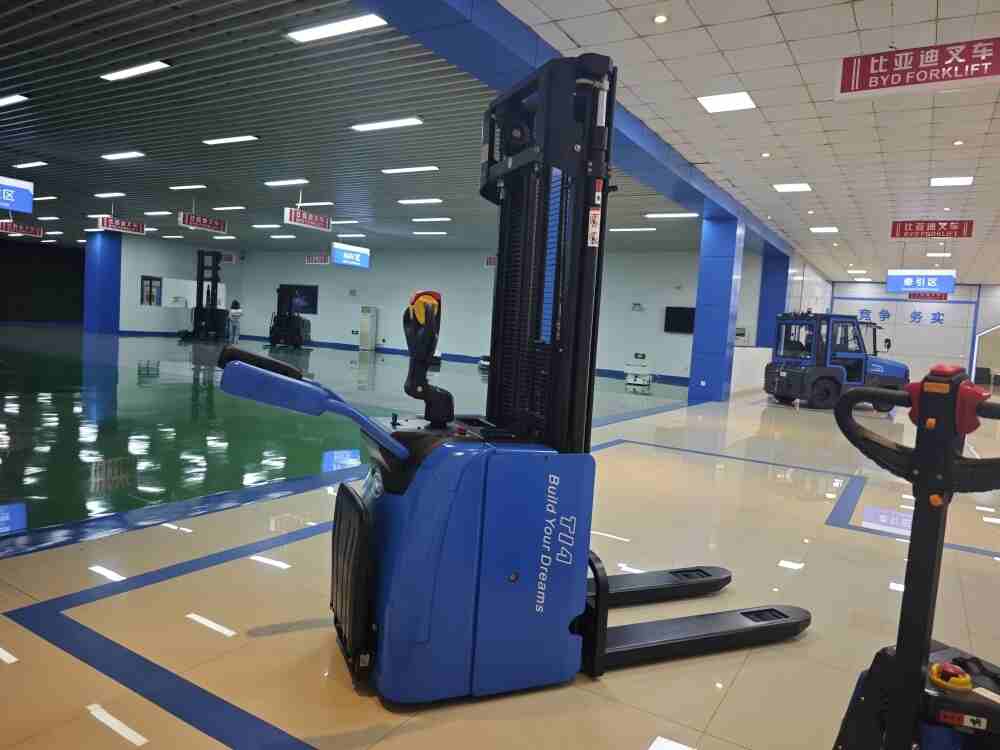
We are Jian Shu New Energy, focusing on high quality electric forklift products. We can provide local enterprises in Bulawayo with targeted counterbalance forklift running cost calculation and matching equipment configuration scheme. If you have relevant demand for cost consultation or equipment selection, you can send email to [email protected] for more detailed professional support.


