
 简体中文
简体中文 Русский
 Français
 Português
 Español
 لالعربية

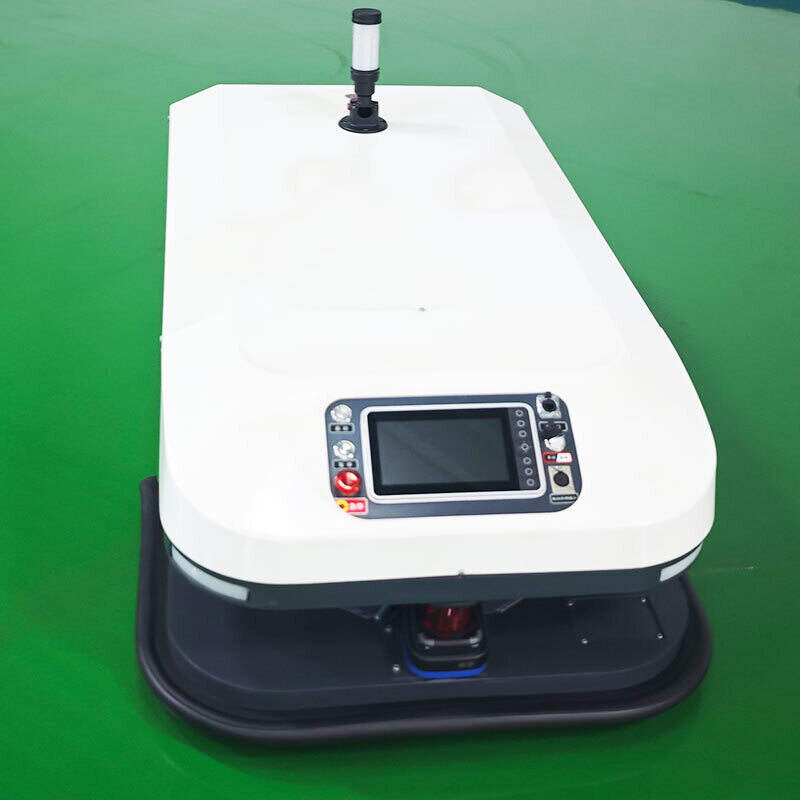
When enterprises procure electric forklifts for daily material handling operations, many teams easily fall into the misunderstanding of blindly pursuing high parameters and stacked extra functions, leading to much higher input than actual demand, and the idle excess configurations cannot bring corresponding operational value for a long time. Targeted research and verification before procurement can effectively help teams clarify real demands and avoid unreasonable resource input.
The first core tip is to complete full-scene workload statistics in advance. Teams need to collect continuous 2 to 4 weeks of actual operation data, including the average load weight of daily handling tasks, maximum required lifting height, average running distance per shift, working channel width, daily continuous operation duration, and ground pavement condition of the operation site. Do not directly select the highest parameter configuration beyond the 95% percentile of actual operation data. For example, if less than 2% of daily tasks need a load capacity of 3.5 tons, the 3-ton standard configuration can fully meet all daily operation needs, and there is no need to choose a higher load specification that brings extra cost.
The second key tip is to verify the matching degree of non-core additional functions. Many extra configurations require supporting operation conditions to play their value. If the operation site does not have supporting management system, special personnel for operation and maintenance, or specific usage scenarios, these additional functions will not only fail to work, but also increase the difficulty of subsequent daily maintenance. Teams can sort out each additional configuration one by one, confirm whether there are corresponding usage scenarios at least once a week, and exclude those functions that have no applicable conditions at all.
The third practical tip is to calculate the total life cycle cost for comparison. Excessively high configuration usually brings higher cost of vulnerable parts replacement, core component maintenance and daily energy consumption. Teams can calculate the total input of different configuration schemes within 3 to 5 years of service life, compare the gap between the scheme matching actual demand and the scheme with excess configuration, and assess whether the added value of excess configuration can offset the extra input. Through systematic investigation and verification above, enterprises can select electric forklift products that are more in line with their own operation characteristics, realize the balance between use performance and input cost, and improve the overall operation efficiency of material handling links.


