简体中文
 Русский
 Français
 Português
 Español
 لالعربية


As a core cargo hub along the Red Sea coast, Port Sudan has seen rapid growth in throughput volume in recent years, and local logistics and port operation teams have been optimizing their material handling equipment fleet to match rising operation demands. Five years ago, a large number of local operators began to introduce lithium-powered electric forklifts to replace traditional internal combustion forklifts, and now the first batch of such equipment has reached the 5-year service node, making the resale value of these equipment a highly concerned topic for the whole local industry.
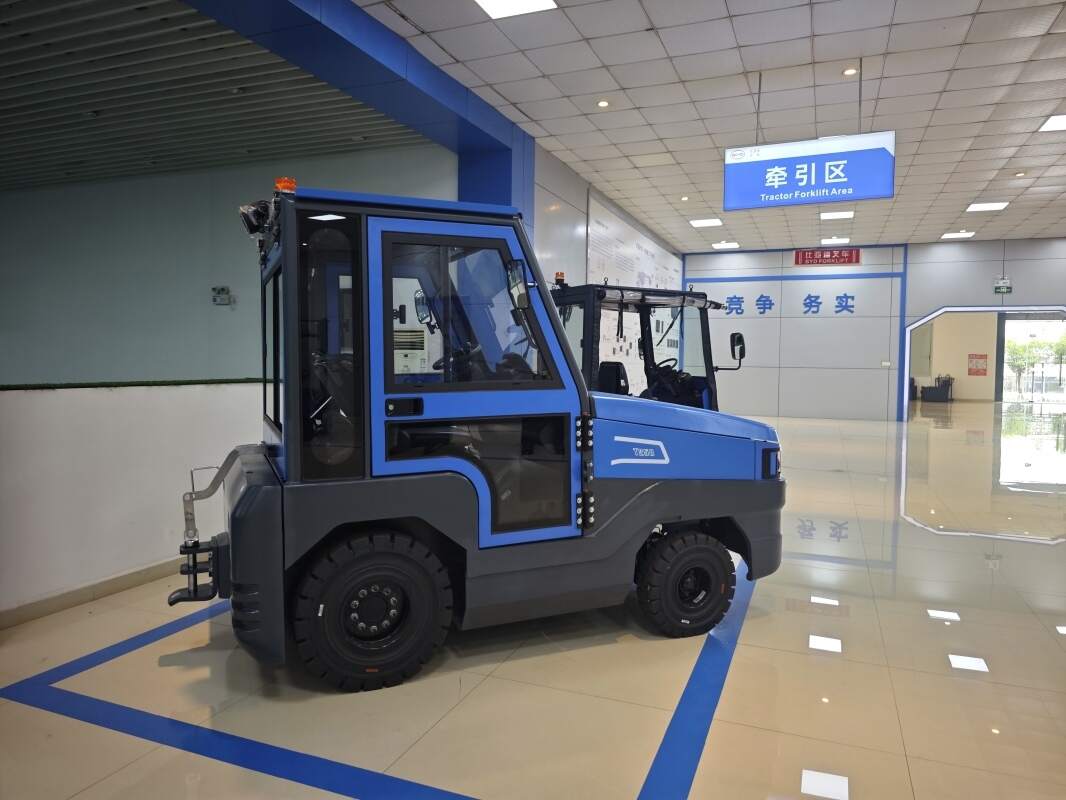
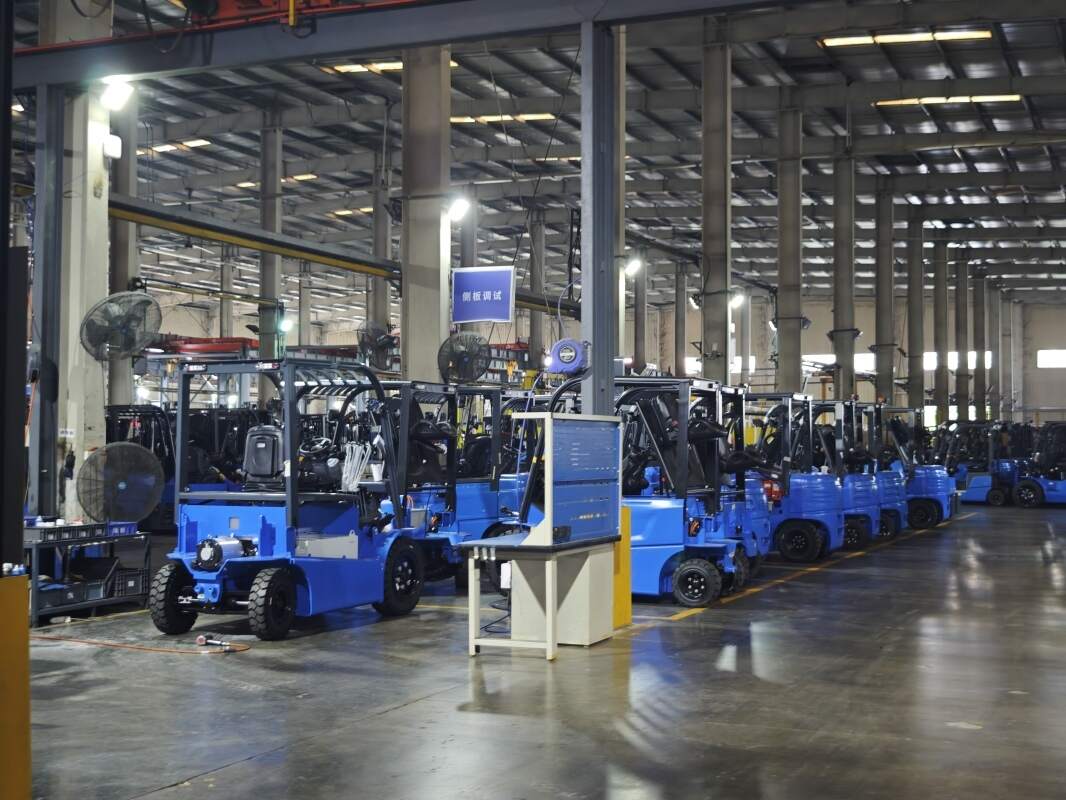
The hot, dry and high-salt spray operation environment in Port Sudan is one of the core factors affecting the residual value of handling equipment. For traditional internal combustion forklifts, after 5 years of high-intensity operation, the power core parts are usually severely worn, and the local port emission compliance requirements in recent years further increase the use cost of old internal combustion equipment, so the average resale value of 5-year-old internal combustion forklifts is usually less than 20% of the initial purchase price. For lithium electric forklifts, the core power component is the lithium battery pack. Under the premise of standardized daily maintenance, the remaining battery capacity of 5-year-old units can generally stay above 70% of the initial rated capacity, and the whole vehicle can still fully meet the needs of conventional operations such as port cargo transfer and container stacking.
Driven by the local port low-carbon development guidance policy, the market demand for zero-emission electric material handling equipment in the secondary trading market keeps rising. The transaction activity of 5-year-old lithium forklifts flowing to small storage yards and peripheral distribution stations is much higher than that of internal combustion forklifts of the same service life. At present, the average 5-year resale value of lithium forklifts in Port Sudan market is generally between 35% and 45% of the initial purchase cost. The actual resale value of specific units will fluctuate according to annual operation hours, complete maintenance records, and the wear degree of exterior structural parts. Units that get regular anti-corrosion treatment and battery performance calibration usually maintain a better residual value performance.
We suggest local equipment operators to establish complete daily operation and maintenance accounts from the first day of putting the equipment into use, which can provide clear proof of the actual working condition of the equipment during subsequent secondary transactions, and effectively avoid the discount of transaction price caused by unclear operation records. Jian Shu New Energy focuses on BYD electric forklift related professional supporting services, for more consultation on local lithium forklift operation management and residual value evaluation, please contact us via [email protected].