
 简体中文
 Русский
 Français
 Português
 Español
 لالعربية


E-commerce fulfillment centers face unique material handling challenges driven by fluctuating daily order volumes, frequent peak order surges during promotional periods, and tight demands for fast, error-free goods turnover. Improper planning for new material handling equipment often leads to insufficient operation capacity during peak seasons, wasted warehouse space or extra unnecessary operation cost. A well-designed deployment plan for lithium forklift can effectively solve most of these pain points for modern fulfillment centers.
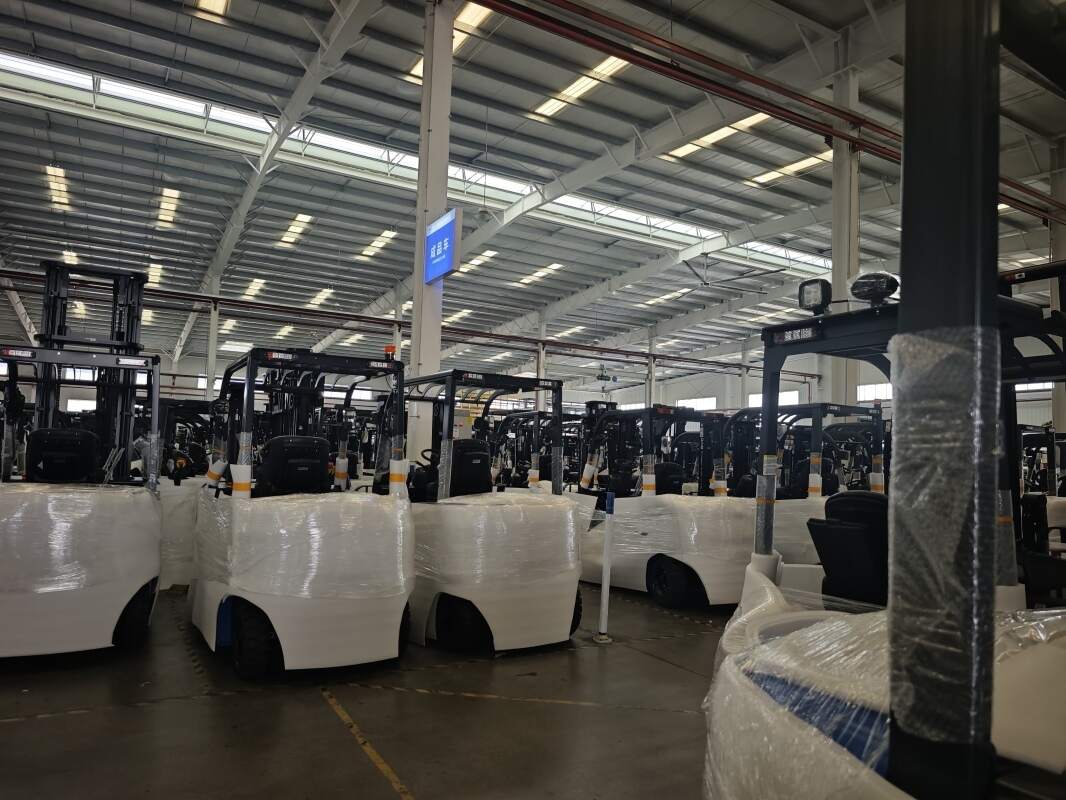
The first step of the planning process is to conduct a full survey of your on-site operation demands. You can start with sorting out core operation data including average daily handling tonnage, maximum order throughput during annual big promotion events, regular operation shift arrangements, the width of internal warehouse passages, the maximum lifting height requirement for rack storage, and whether you need to support special scenarios such as low-temperature cold storage zones. All these data can help you confirm the proper load capacity, lifting height and endurance configuration of the lithium forklifts that fit your actual use scenarios, to avoid insufficient capacity or redundant configuration waste.
The second step is to complete supporting infrastructure planning in advance. Different from traditional lead-acid forklifts, lithium forklifts support short-time opportunity charging, which means operators can replenish enough power for 2 to 3 hours of operation during regular 15 to 30 minutes shift breaks. You only need to set up several compact charging points near rest areas or idle corners of the warehouse, no extra large independent charging room or acid-proof protection facilities are required, which can save a lot of warehouse space that can be converted into additional storage locations to increase total storage capacity.
The third step is to formulate reasonable staff training and vehicle scheduling rules. Lithium forklifts feature smooth operation response and low running noise, frontline operators can master standard operation skills, safety protection function usage and daily maintenance points through short-period professional training. You can also build a dynamic scheduling mechanism: dispatch vehicles with sufficient remaining power to high-density picking zones during peak order periods, and arrange low-power vehicles to complete short-distance supplementary charging during off-peak periods, to ensure no break in the material handling chain.
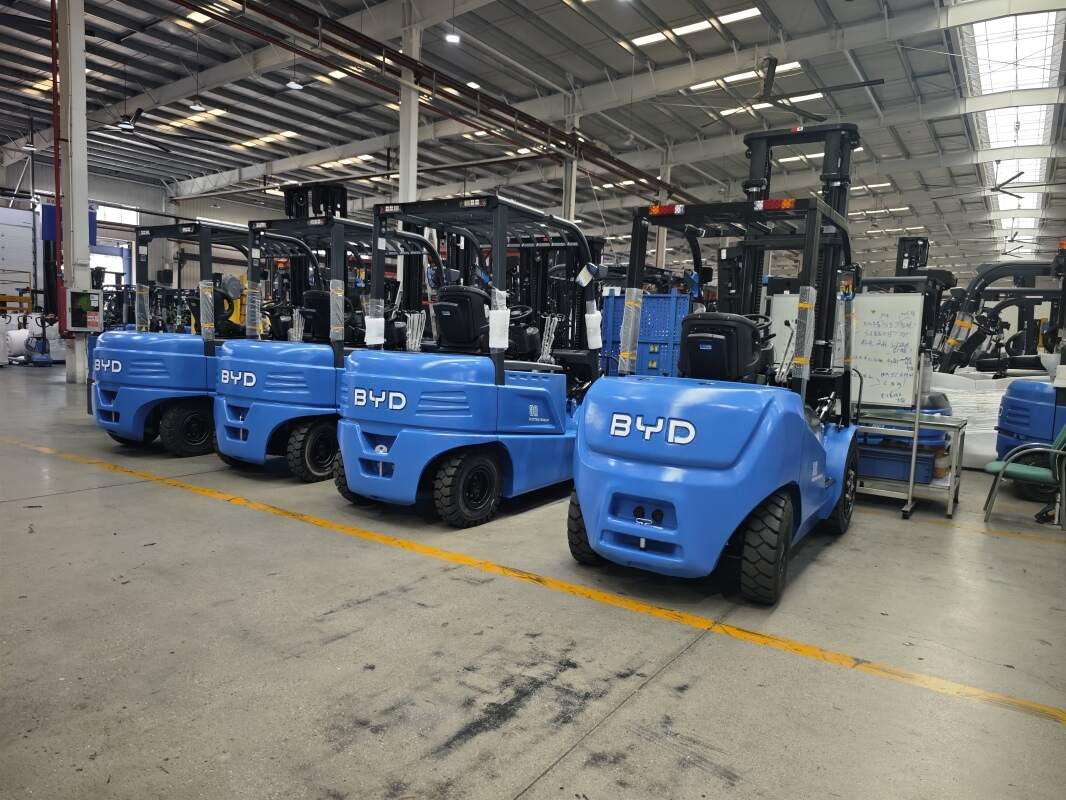
We are Jianxin New Energy, focusing on BYD electric forklifts, with rich practical experience in scenario adaptation for e-commerce fulfillment centers. If you have related demands for lithium forklift planning, you can contact us via [email protected] to get targeted professional suggestions.


