
 简体中文
 Русский
 Français
 Português
 Español
 لالعربية


Pallet trucks are widely used in warehouse, logistics and manufacturing scenarios to improve material handling efficiency, and standardized safety operation can effectively avoid accidental injuries, property damage and unnecessary operation downtime. This practical overview sorts out core operable specifications for all relevant management personnel and on-site operators.
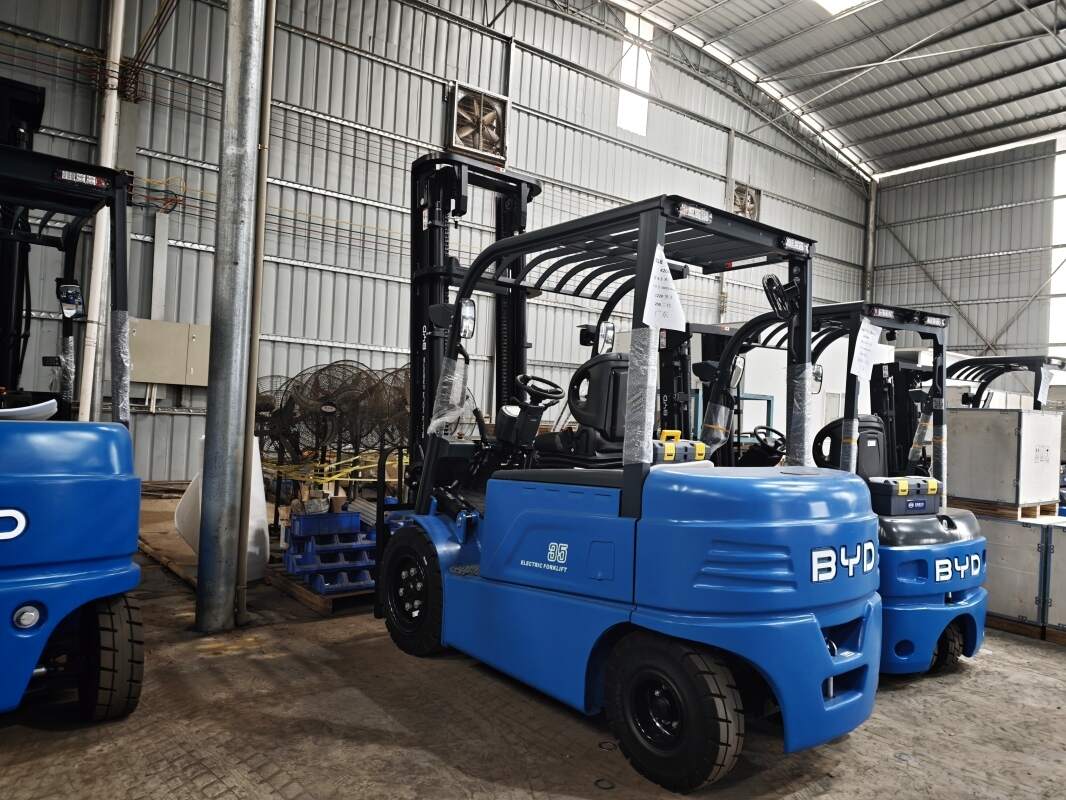
First of all, complete full pre-operation checks before starting any handling task. Operators should first confirm that the appearance of the equipment has no obvious deformation, crack or abnormal damage, check the remaining power level to avoid sudden power off in the middle of operation, test the normal response of the braking system, lifting and lowering control lever, and prompt alarm device, and confirm that the planned walking path has no scattered sundries, slippery patches or obstacles that may cause rollover. Personnel who have not received formal operation training are not allowed to operate the pallet truck without permission.
During the operation process, operators need to strictly follow the load limit specified in the official equipment manual, never overload the pallet truck to avoid damage to the load bearing structure or unstable center of gravity that leads to tipping. When carrying goods, make sure the goods are placed evenly on the fork arms, the center of gravity is kept within the stable load range of the equipment, and the operator should keep a clear view of the forward path at all times. When passing through narrow aisles, corners or door openings, slow down and send reminder signals to let surrounding staff keep a safe distance. It is not allowed to carry other personnel on the pallet truck, nor to extend any part of the body outside the normal operation range of the equipment. When operating on a sloped surface, keep the load facing uphill, avoid steering on the slope, and do not park the equipment on the ramp arbitrarily.
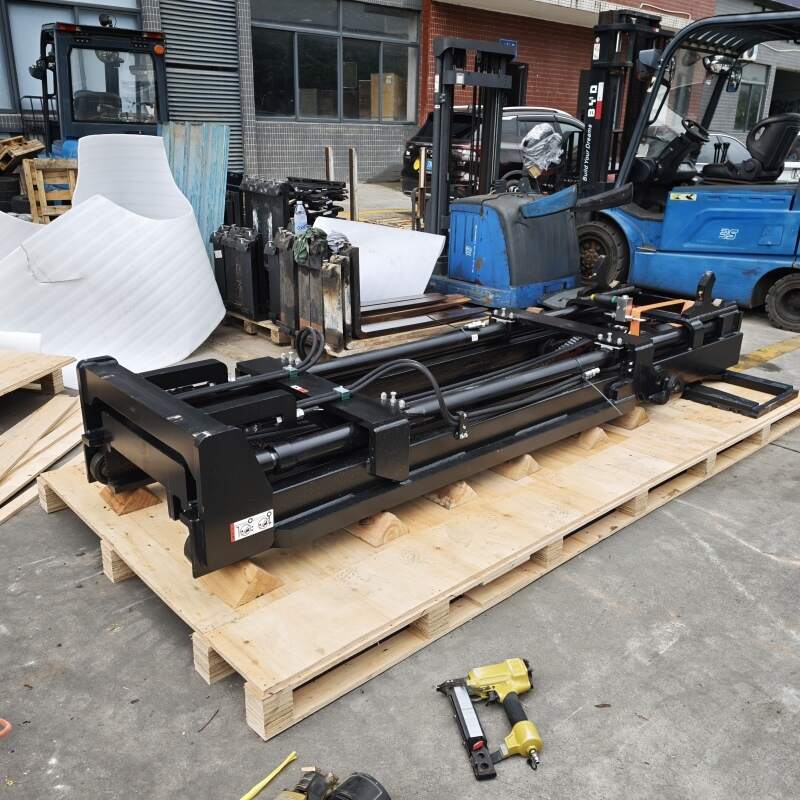
After completing the operation task, operators should park the pallet truck in the specified designated area, fully lower the fork arms to the lowest position, cut off the power supply, and set the brake reliably. Do not park the equipment in the middle of the passage, next to fire exits or beside public fire fighting facilities. Regular daily maintenance and regular safety inspection can effectively eliminate hidden faults in advance, and any abnormal sound, abnormal function of components found during inspection should be reported to the management personnel in time, instead of operating the equipment with existing faults.
Jianshu New Energy focuses on BYD electric forklifts, we provide full set of operation guidance and after-sales service related to electric industrial handling equipment. For any inquiry about pallet truck safety operation or equipment configuration, you can send email to [email protected] for further support.


