
 简体中文
简体中文 Русский
 Français
 Português
 Español
 لالعربية

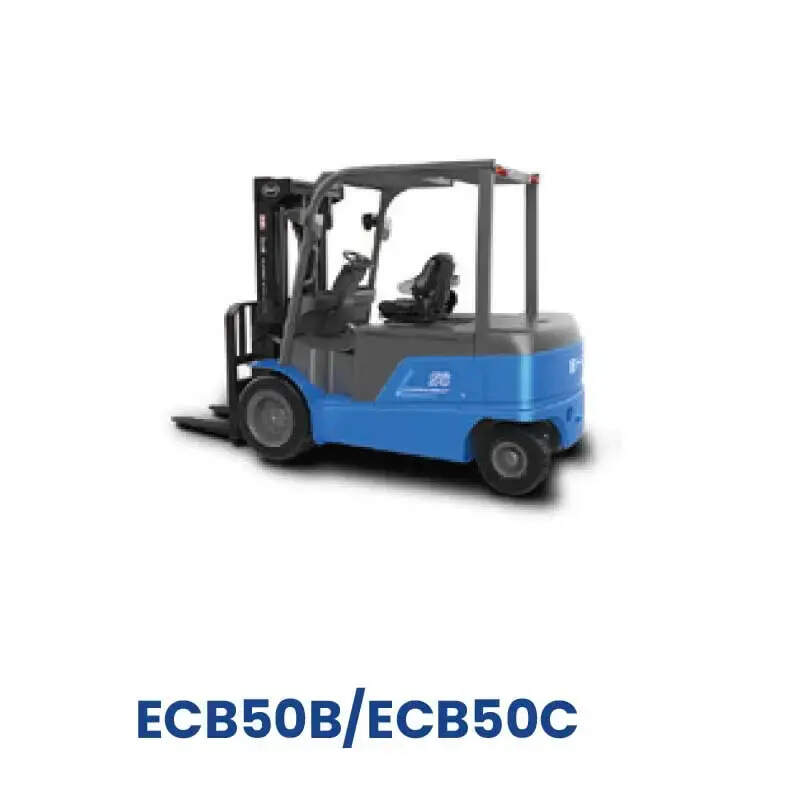
As the global intralogistics sector shifts towards low-carbon and high-efficiency operation, electric forklifts have become one of the most widely adopted material handling equipment in warehouses, manufacturing workshops and distribution centers. Mastering systematic knowledge of electric forklift use can help operation teams maximize equipment value while lowering unnecessary operation risks.
Core Advantages of Electric Forklifts in Daily Handling Scenarios
Unlike traditional internal combustion handling equipment, electric forklifts rely on power battery systems as the core energy source, producing no tail gas emission during the whole operation process, which fits the emission control requirements of closed indoor work scenarios. The overall operation noise of electric forklifts is kept at a relatively low level, which reduces noise interference for on-site workers and improves the comfort of long-shift operation. The structure of the power system of electric forklifts is relatively simple, with fewer vulnerable moving parts than internal combustion models, which lays a foundation for long-term stable operation.
Standardized Daily Operation Guidelines for Electric Forklifts
Before starting each shift, operators need to conduct routine checks including power residual level, brake sensitivity, lifting chain tightness and tire wear condition, to eliminate hidden risks before formal operation. During the handling process, operators need to avoid sudden acceleration or sudden braking on uneven road surfaces, and keep the load center within the allowable range of the equipment parameter, to prevent side roll or goods falling risks. For long distance transfer between different areas of the warehouse, the running speed should be controlled within the safe range specified by the site management rules, to avoid collision with surrounding storage racks or passing personnel.
Scientific Maintenance Practices to Extend Equipment Service Life
Routine charging operation should follow the official specification requirements, avoid overcharging or deep discharging the battery for a long time, and keep the surface of the battery pack clean and dry to avoid accidental short circuit caused by accumulated dust or liquid. The power system and hydraulic lifting system should be inspected regularly according to the operation hour schedule, and replace the worn lubricating oil or sealing parts in time. When the equipment is not in use for a long period, operators should park the vehicle in a dry and ventilated designated area, adjust the lifting fork to a low position, and keep the battery power at a reasonable residual level to avoid irreversible damage to the battery core.


