简体中文
 Русский
 Français
 Português
 Español
 لالعربية


Against the background of global low-carbon transformation in logistics and warehousing sectors, electric forklifts have gradually become the mainstream choice for indoor and enclosed working scenarios, and forklift lithium battery is one of the core supporting components that draw wide attention from enterprise operators. Many practitioners still have vague understanding of the characteristics, usage rules and value of this type of power source, which is why this guide sorts out practical and verified information for reference.
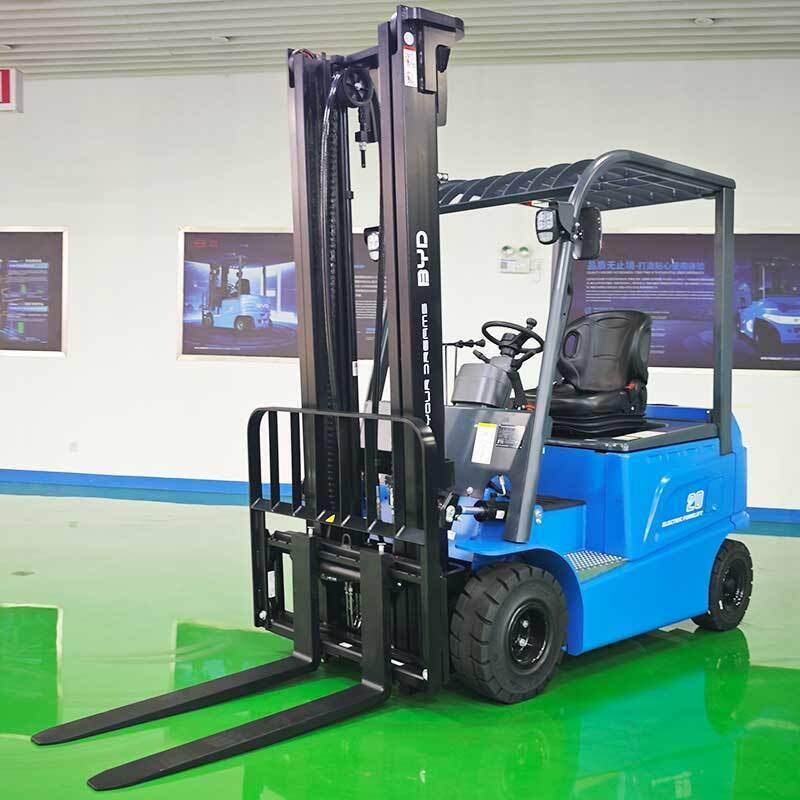
Different from the traditional lead-acid power source that has been used in the material handling industry for decades, forklift lithium battery adopts mature energy storage structure that does not need regular distilled water replenishment during daily operation, which greatly reduces the labor cost invested in routine maintenance. Its charging efficiency is much higher than traditional counterparts, and it only takes a short time of opportunity charging during work breaks to supplement enough power to support the next several hours of operation, which can fully adapt to the multi-shift working mode of large logistics hubs.
For operators who are new to forklift lithium battery, there is no need to follow the old habit of waiting for the battery power to be completely drained before charging. Following the instruction of operation manual, carrying out timely supplementary charging within the conventional power range will not cause damage to the battery, on the contrary, it can help stabilize the overall performance status of the power unit. It is also not recommended to expose the battery pack to an over-temperature or supercooled working environment for a long time beyond the specified operating temperature range, which can effectively extend the stable service life of the product.
From the perspective of full life cycle input, although the initial procurement cost of forklift lithium battery is higher than that of traditional lead-acid products, its longer cycle life, lower daily maintenance demand and higher energy conversion efficiency can effectively reduce the comprehensive operating cost in long-term operation, and bring more stable continuous operation support for enterprise production and handling tasks. It can adapt to most conventional working scenarios including normal temperature storage, low temperature cold chain warehouses and medium-heavy load material handling.
As Shanshu New Energy, we focus on BYD electric forklift related supporting services, covering all links of power battery matching, daily operation guidance and after-sales maintenance support. If you have any questions about the selection, use and maintenance of forklift lithium battery, you are welcome to send an email to [email protected] to obtain professional customized solution support.