

As the core hub of Central European logistics, Warsaw has seen steady growth in the number of lithium forklift fleets in recent years, covering scenarios including urban distribution warehouses, manufacturing workshops, port transshipment points and cold chain storage. Many fleet operators often face confusion in making annual operation plans, especially in formulating a scientific and reasonable maintenance budget for lithium forklifts, which directly affects the overall operation cost and equipment uptime rate.
Different from traditional internal combustion forklifts and lead-acid battery forklifts, lithium forklifts do not involve engine oil replacement, acidic electrolyte replenishment, carbon deposit cleaning and other regular maintenance items, so the overall annual maintenance investment is significantly lower than that of traditional equipment. To make a clear budget that fits local operation conditions in Warsaw, operators can split the total maintenance cost into three core parts for targeted planning.
The first part is the regular routine inspection expenditure, which accounts for about 60% of the total annual maintenance budget. This part of cost covers quarterly inspection of power management system, circuit connection point safety check, braking and hydraulic system function test, as well as daily operation personnel standardized operation training. Most service providers around Warsaw’s industrial parks provide preferential annual package for such regular inspection services, which can effectively reduce the unit cost of single inspection.
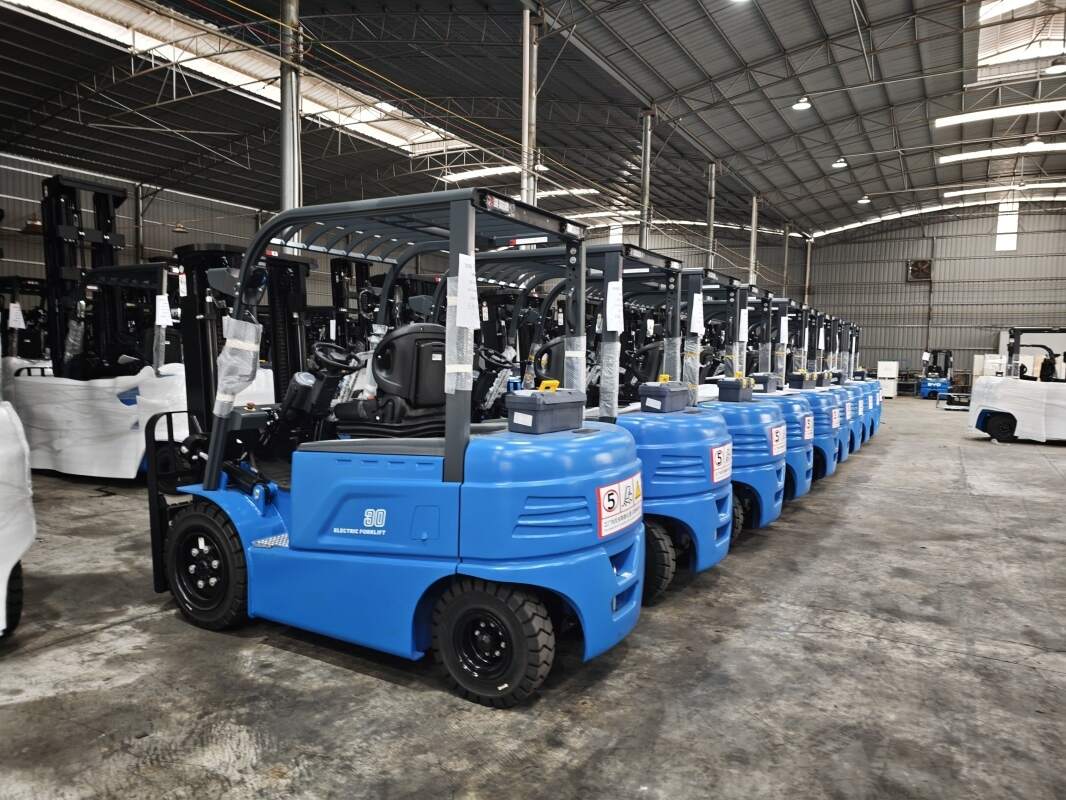
The second part is the consumable replacement reserve, which accounts for about 30% of the total annual budget. The main items here include wear-resistant tires, hydraulic sealing parts, operation handle accessories and other components that produce natural loss in long-term use. Operators can make advance reserve plan according to the average daily working hours of their forklift fleets, so as to avoid the extra premium caused by emergency procurement.
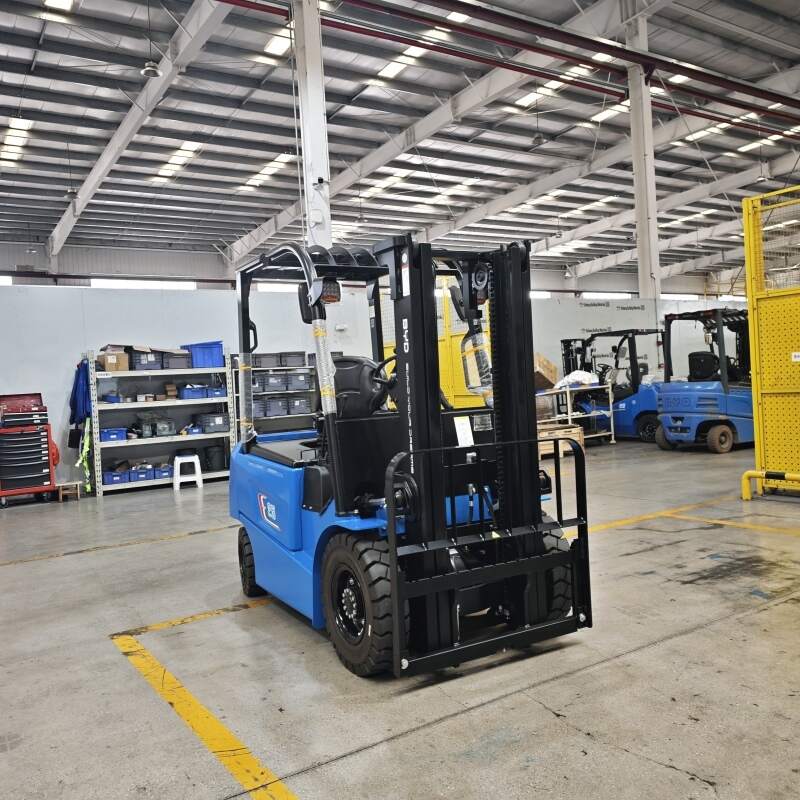
The last 10% of the total budget is the reserved emergency disposal fund, which is used to cover small probability unexpected component damage under special working conditions, and avoid the operation stagnation loss caused by no available budget for emergency repair. Local logistics support policies in Warsaw also allow eligible enterprises to apply for corresponding subsidies for industrial green equipment maintenance, which can further reduce the actual maintenance expenditure after reasonable application.
We are Jian Shu New Energy, focusing on BYD electric forklift related services. For customers with lithium forklift operation demands in Warsaw, we can provide customized maintenance budget calculation scheme combined with their actual fleet scale and operation scenarios. For more relevant information, you can send emails to [email protected] to contact our professional service team.
A clear and reasonable maintenance budget can effectively extend the service life of lithium forklifts, reduce unexpected downtime, and provide stable support for the daily material handling operation of all kinds of enterprises in Warsaw.


