
 简体中文
 Русский
 Français
 Português
 Español
 لالعربية


In recent years, Uganda's warehousing, agricultural processing, port logistics and manufacturing sectors have maintained steady growth, and the adoption rate of lithium electric forklifts in local material handling scenarios has been rising year by year. Many local enterprises often face confusion when making annual operation plans, as they do not have a clear cognition of the reasonable maintenance budget range for lithium forklifts, which easily leads to redundant cost investment or insufficient budget support that causes unexpected equipment shutdown.
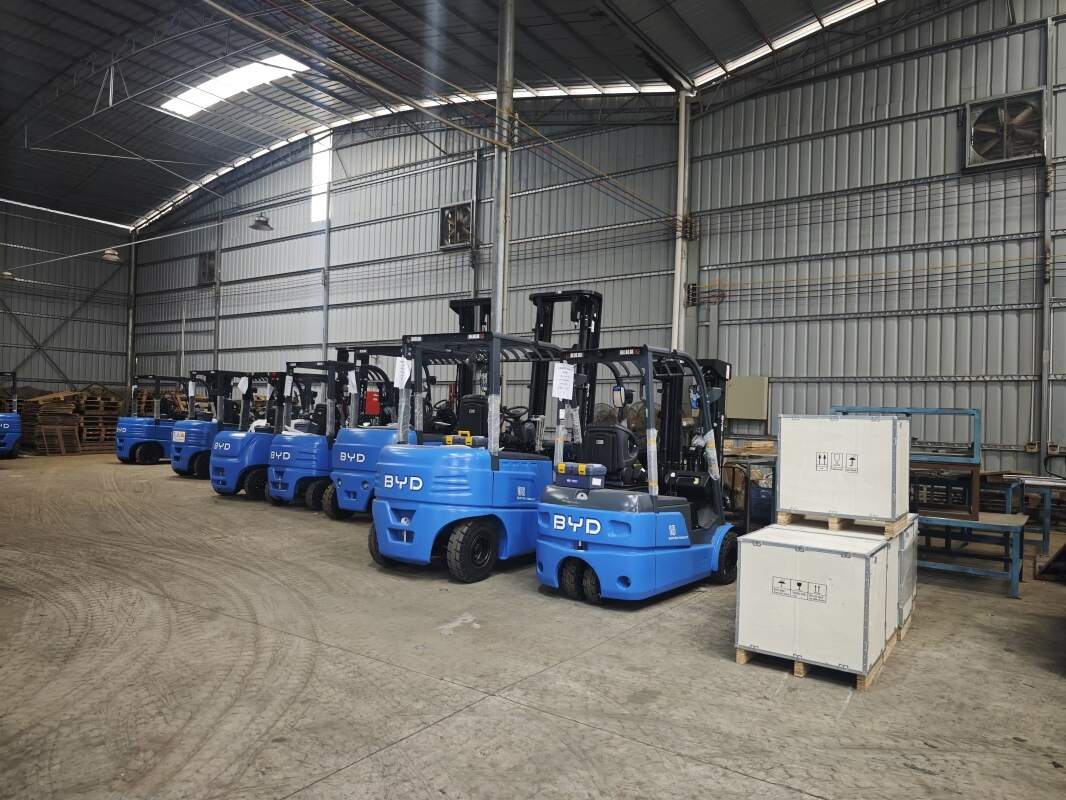
Different from traditional internal combustion forklifts, lithium forklifts do not need regular replacement of engine oil, filter elements and maintenance of fuel supply system, so the maintenance budget structure is more transparent and predictable. The budget can be divided into several core modules according to actual operation demands. The first part is the consumable cost for daily routine inspection, covering the low-value consumables used for tire wear check, vehicle body cleaning, battery contact point dedusting and other regular operations, which accounts for about 30% of the total annual maintenance budget in most scenarios. The second part is the expense for quarterly professional performance calibration, which arranges certified maintenance personnel to adjust the performance of hydraulic system, braking system and lifting control system, and eliminate small hidden troubles in time to avoid subsequent fault escalation. The third part is the special inspection budget for core components on annual basis, which is used for full dimension performance test of lithium power battery pack and electronic control system, to ensure the equipment always meets the local industrial operation safety specifications. The fourth part is the reserved budget for wear parts reserve, which is used for replacement of small worn parts such as seals and brake pads as required, and enterprises do not need to stock a large number of parts in advance to avoid resource waste.
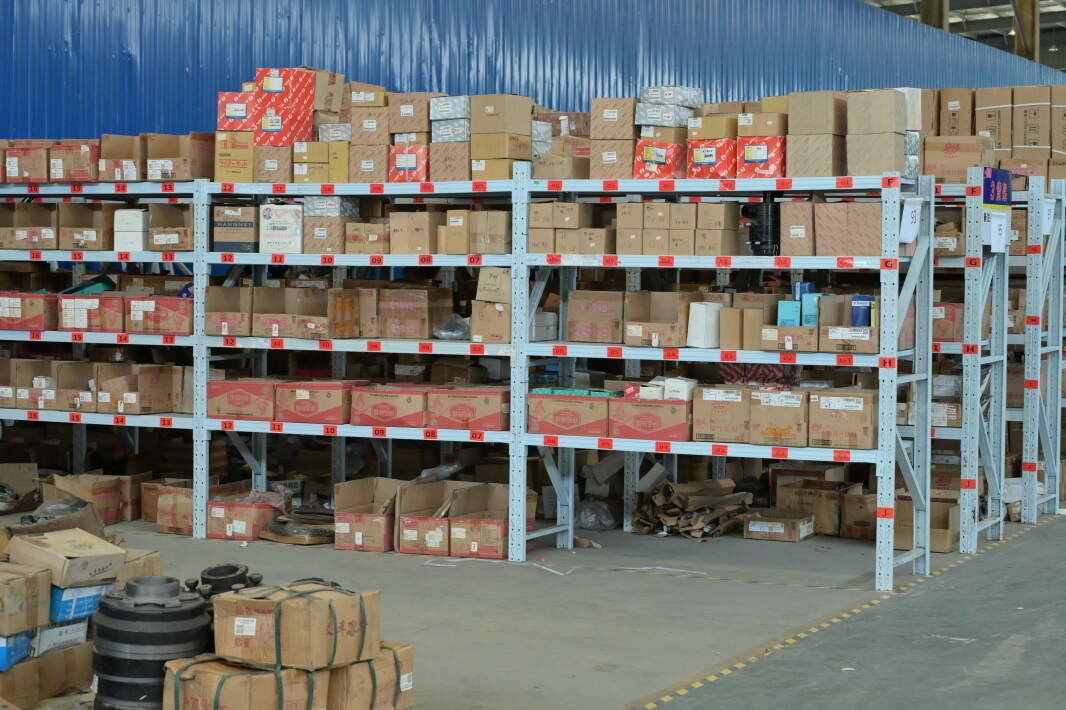
When planning the maintenance budget for lithium forklifts in Uganda, enterprises also need to adjust the allocation according to local working condition characteristics. For example, a small extra budget can be reserved for circuit moisture-proof protection for operations in areas with high humidity in rainy seasons, and proper anti-rust treatment for metal parts is recommended for working scenarios near lakes, which can effectively extend the service life of equipment.
We are Jianshu New Energy, focusing on professional supporting services for BYD electric forklifts. We can provide enterprises operating in Uganda with customized maintenance budget schemes that fully match their actual use frequency and local working conditions, to help enterprises control the overall operation cost of material handling equipment more reasonably. For related consultation, please send email to [email protected].


