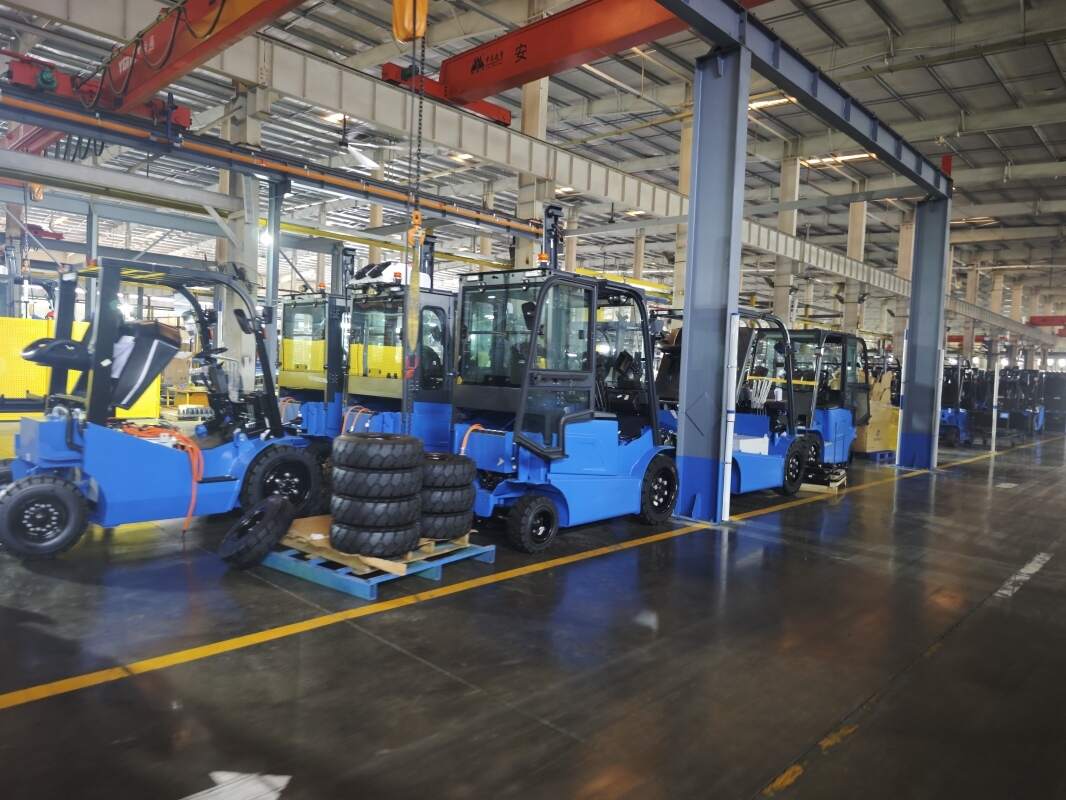
In Guadalajara, the booming logistics, manufacturing and distribution industries rely heavily on stable operation of material handling equipment, and electric stackers are widely used for their zero emission, low noise and high operation efficiency advantages. Making a scientific and reasonable maintenance budget for electric stackers is a core step to reduce long-term operating cost, avoid unplanned downtime and extend equipment service life.
First, it is necessary to clarify the basic composition of the conventional maintenance budget. The regular maintenance expenditure for electric stackers is mainly divided into three parts: monthly routine inspection, regular wearing parts replacement, and annual full performance calibration. Normally, the annual basic maintenance cost of electric stackers accounts for 3% to 5% of the equipment purchase price, which is far lower than the maintenance cost of traditional internal combustion handling equipment. The routine inspection items include lithium battery health status check, lifting component lubrication, circuit connector safety investigation, brake system performance verification and operation function debugging. For most small and medium-sized warehouses in Guadalajara, the basic annual maintenance budget for a single standard electric stacker can be controlled at a relatively affordable level.
Second, we need to clarify the main factors that cause the maintenance budget to float. The first factor is the annual operation duration of the equipment. If the average daily operation time of the electric stacker exceeds 6 hours, the wear rate of walking wheels, sealing rings and other easily damaged parts will increase correspondingly, and the overall budget can be increased by about 15% to reserve enough space for parts replacement. The second factor is the specific working scenario. For electric stackers working in high-dust processing workshops, low-temperature cold chain warehouses or high-intensity cargo distribution centers, the wear of core components will be faster, so it is recommended to reserve an extra 10% special maintenance quota to deal with potential loss risks.
Third, there are multiple practical methods to optimize the maintenance budget without reducing the equipment operation safety standard. Establish a complete equipment maintenance ledger, record the inspection status and parts replacement records of each electric stacker, and predict the replacement demand of vulnerable parts in advance, which can effectively avoid the high cost of emergency maintenance caused by sudden failure. Choosing regular and compliant maintenance accessories and standardized operation training for operators can also reduce unnecessary equipment loss.
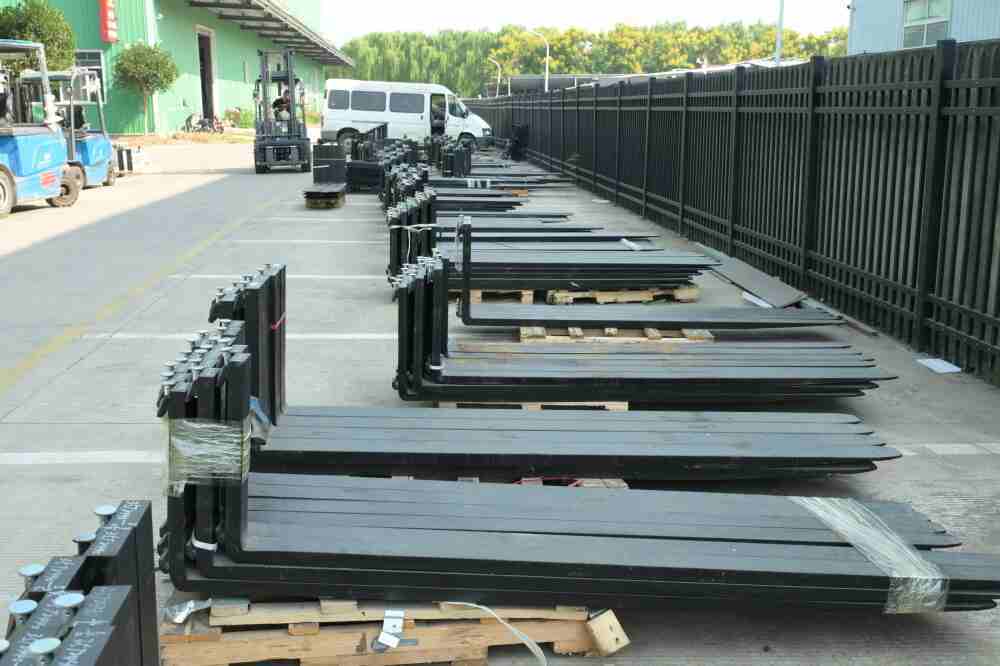
We are Jianshu New Energy, focusing on BYD electric forklifts, and we can provide customized full-cycle electric stacker maintenance solutions for local customers in Guadalajara, and output accurate budget planning suggestions according to your specific equipment ownership and operation scenarios. If you have related demand for consultation, please send an email to [email protected] to get exclusive professional support.