简体中文
 Русский
 Français
 Português
 Español
 لالعربية


In recent years, the global material handling industry has been gradually shifting its power selection direction from traditional lead-acid batteries to lithium solutions, to adapt to the growing demand for efficient, low-cost and low-carbon operation in various warehouse, logistics and industrial manufacturing scenarios. This practical overview will break down the core related knowledge of lithium material handling batteries from actual operation dimensions, to help practitioners make more appropriate power configuration decisions.
Core Basic Attributes of Lithium Material Handling Batteries
Different from traditional lead-acid power products, lithium material handling batteries do not need regular water replenishment, electrolyte detection and other routine maintenance procedures in daily use. The average self-discharge rate of qualified products can be controlled within a reasonable range in the non-working state, and the available capacity can still maintain a high level after long-term standby. Its overall cycle life is significantly longer than that of conventional lead-acid batteries under the same operating intensity, which can effectively reduce the frequency of battery replacement in the full life cycle of handling equipment.
Practical Advantages for Material Handling Scenarios
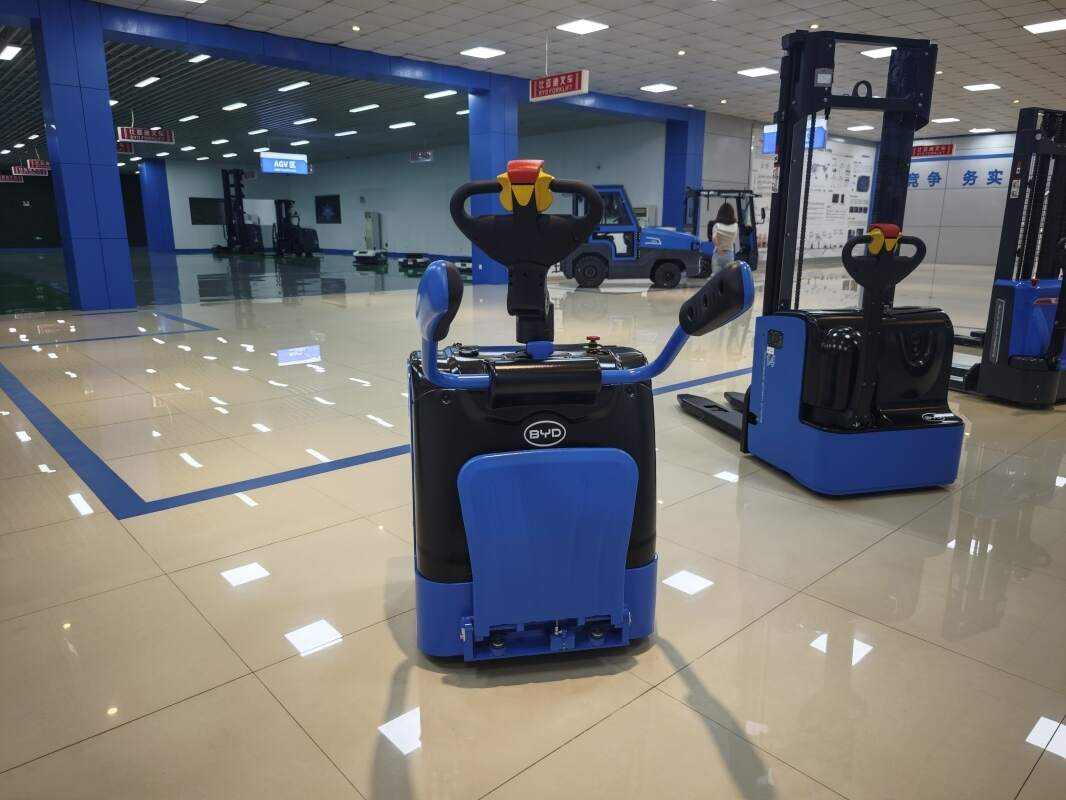
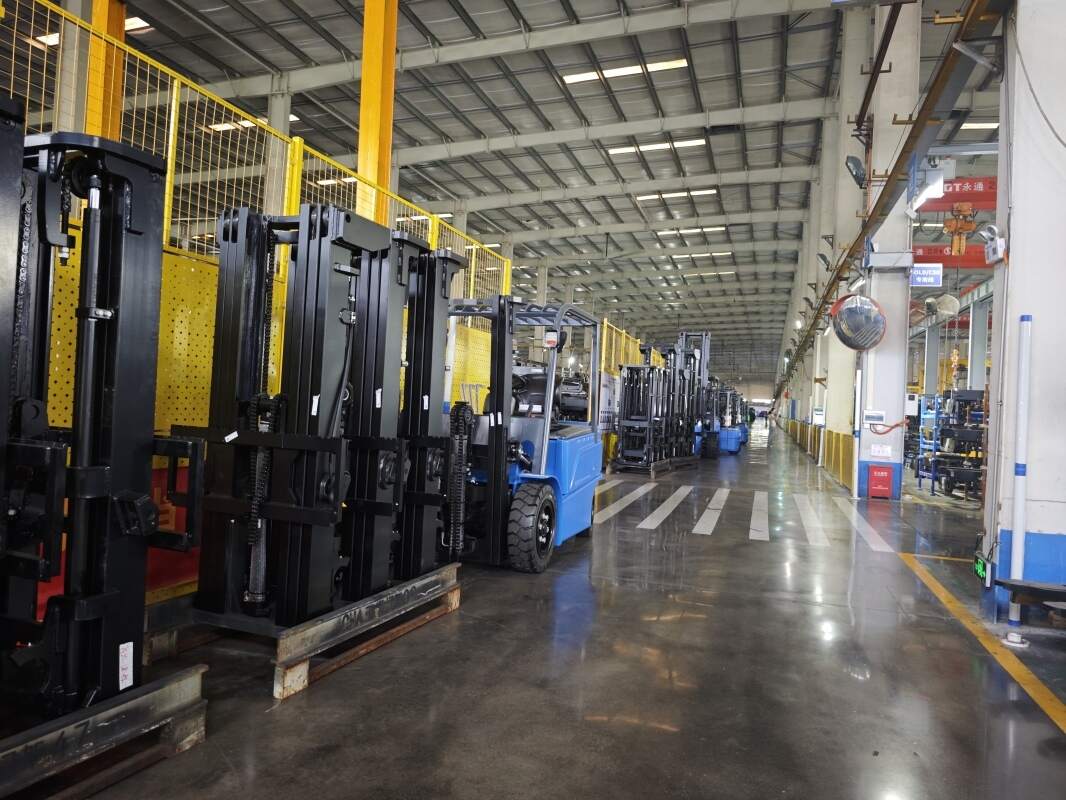
For multi-shift continuous operation scenarios such as large distribution centers and 24-hour production workshops, lithium material handling batteries support opportunity charging during short breaks, which does not affect the normal scheduling of equipment. Its high energy density allows the battery pack to maintain a compact volume while providing sufficient cruising range, and will not occupy the limited operation space inside the forklift cab or frame. In the closed indoor operation scenario, it will not produce corrosive gas overflow in the working process, which can better meet the environmental protection requirements of modern green warehouses.
Practical Daily Operation and Maintenance Suggestions
In daily use, users do not need to regularly discharge the battery to zero before charging, it is recommended to arrange charging when the remaining power is kept between 20% and 30%. Regularly check the tightness of the connection contact points between the battery pack and the equipment to avoid poor contact caused by dust accumulation. It is also necessary to avoid long-term exposure of the battery pack to the high temperature environment above the specified standard, and prevent liquid infiltration into the interior of the battery pack during the cleaning process. The built-in BMS management system can monitor the temperature, voltage and current data of each cell in real time, which can help reduce the risk of abnormal operation.
Choosing a matching lithium power solution suitable for the actual operation scenario of the enterprise can effectively reduce the long-term comprehensive operating cost of material handling equipment, and improve the overall operation efficiency of the whole logistics link. As a professional new energy enterprise, Jian Shu New Energy focuses on supporting services for BYD electric forklifts. If you need more professional lithium battery configuration consultation and supporting solutions, please contact us via [email protected].