简体中文
 Русский
 Français
 Português
 Español
 لالعربية


Against the backdrop of fast-growing logistics, e-commerce and FMCG storage demand across Sudan in recent years, electric order pickers have become core handling equipment for most medium and large warehousing facilities, as they greatly improve picking efficiency and reduce manual labor intensity. Many local warehouse operators face a common dilemma when purchasing new order pickers: to choose models equipped with lithium-ion batteries, or traditional lead-acid batteries, with cost as the top consideration for most decision makers.
First of all, the upfront procurement cost shows an obvious difference: lead-acid powered order pickers usually have a lower initial purchase price, which makes them look more attractive for small warehouses with limited one-time budget. But the actual total cost over the whole service cycle should take multiple local scenarios in Sudan into full consideration. The average ambient temperature in most areas of Sudan is higher than 30℃ for more than half of the year, and high temperature will accelerate the attenuation speed of lead-acid batteries, cutting their normal service life by around 30% compared with use in temperate regions. Besides, lead-acid batteries require regular maintenance work including distilled water refilling, charge equalization and dedicated ventilation charging area arrangement, which will generate extra labor cost and site input that many operators tend to ignore in the initial calculation.
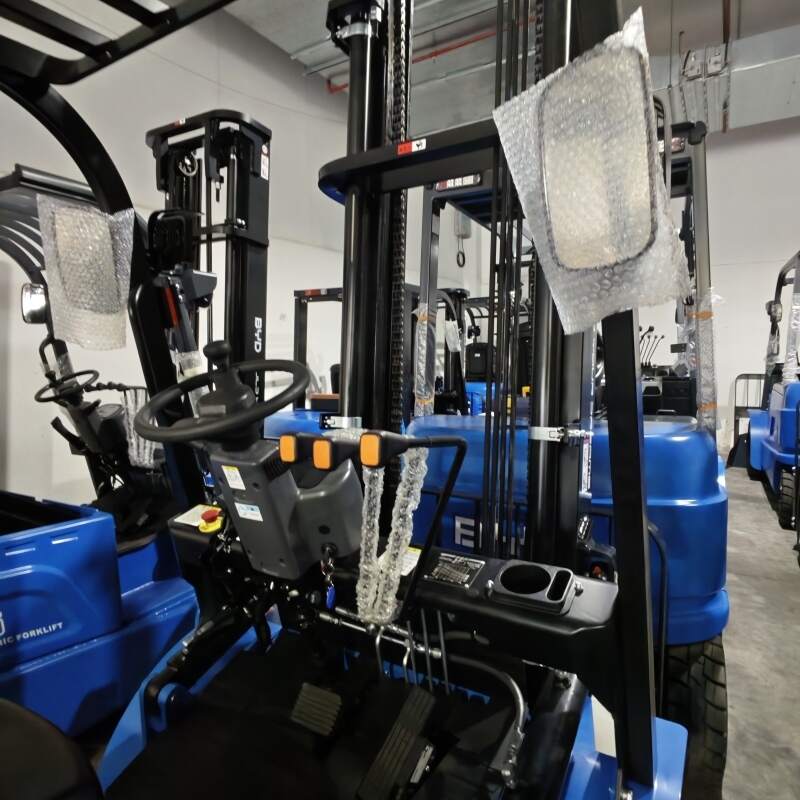
For lithium-ion battery powered order pickers, the initial purchase cost is relatively higher, but their performance advantages fit most mid-to-large local operation scenarios very well. Lithium-ion batteries have 3 to 4 times more cycle times than standard lead-acid products, and require almost no daily maintenance, which saves plenty of labor and material cost during long term use. They also support fast charging, allowing operators to charge the devices during off-peak electricity price periods to cut power expenditure, no need to arrange 8 to 10 hours of full charging as required by lead-acid batteries. For warehouses that run two or three shifts per day, the fast charging feature also eliminates the long downtime caused by dead battery, further lifting overall operation efficiency.
For small warehouses with single shift operation and daily order picker usage less than 3 hours, lead-acid configuration can meet basic use demand with acceptable cost input. For most mid and large-sized warehouses with long daily operation hours, lithium-ion order pickers will show prominent total cost advantage during the 5-year full service cycle, bringing more stable operation experience.
As a professional electric forklift service provider, we are Jianshu New Energy, focusing on BYD electric forklift products, we have optimized battery solutions adapted to local Sudan climate and operation conditions. If you have any demand for cost calculation, model selection or scheme customization, you can send your inquiry to [email protected] at any time.