简体中文
 Русский
 Français
 Português
 Español
 لالعربية


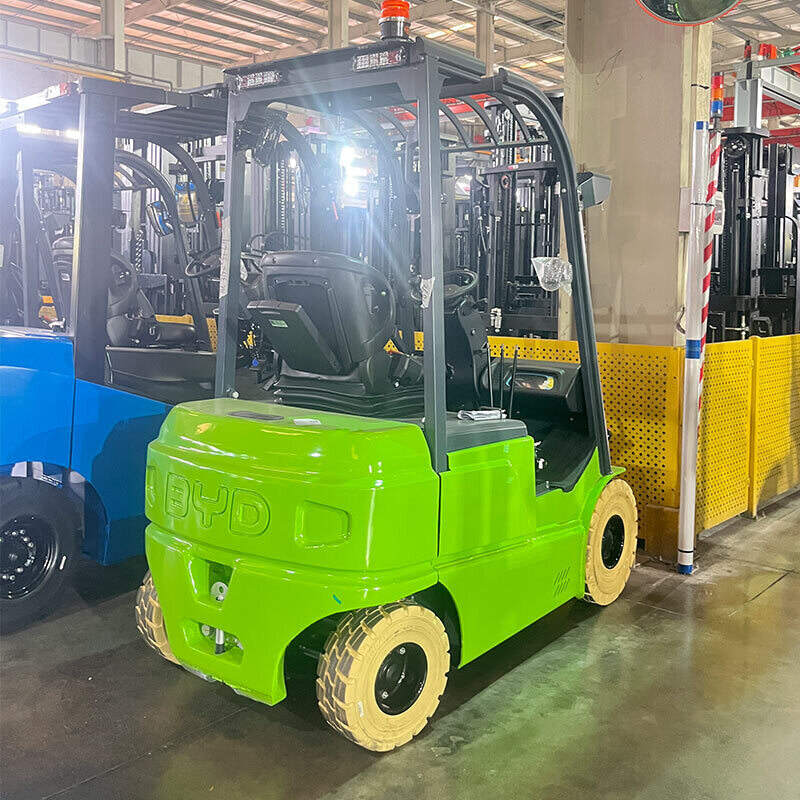
In recent years, Sudan’s logistics, manufacturing, port warehousing and agricultural product processing sectors have maintained steady growth, driving rising demand for material handling equipment. Electric forklifts, with their zero emission, low noise and low daily energy consumption features, have gradually replaced a large share of internal combustion forklifts in local operation scenarios, while most enterprise operators face the common choice between lithium-ion battery equipped models and lead-acid battery equipped models, with cost being the top concern for decision making.
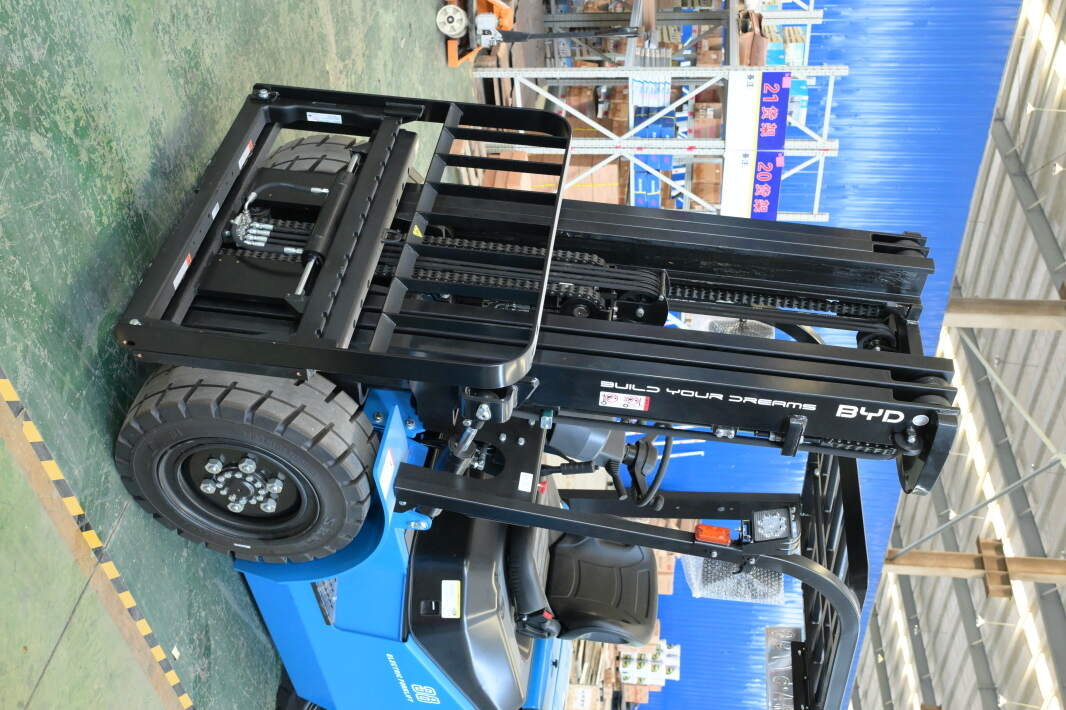
At the initial investment stage, lead-acid battery electric forklifts usually have lower upfront purchasing cost than lithium-ion counterparts of the same load capacity and configuration. For operation teams that only arrange 4 to 5 hours of single shift work per day with low operation intensity, the lead-acid solution can meet basic usage demands, but it is worth noting the additional hidden cost in the long run.
Most regions in Sudan have relatively high ambient temperature all year round, which will accelerate the chemical attenuation process of lead-acid batteries. To maintain normal performance, lead-acid batteries need regular distilled water replenishment, charge equalization and other manual maintenance work, which requires extra labor cost and management input. For teams that run two shifts per day, lead-acid batteries usually need 8 hours of full charging and 2 hours of static cooling before they can be put into normal use, which means enterprises need to purchase at least one spare battery to support continuous operation, adding extra procurement and storage cost.
Lithium-ion batteries, by contrast, have a 3 to 4 times longer cycle life than standard lead-acid batteries. They support 1 hour of fast opportunity charging during break time, which can easily cover two shifts of operation without extra spare batteries. They do not need daily water replenishment or regular equalization maintenance, which cuts down extra labor input. Under high temperature working environment, lithium-ion batteries can maintain stable discharge performance, and the actual service life will not drop sharply due to local climate features. Calculated in a 5-year full usage cycle, the total comprehensive operation cost of lithium-ion electric forklifts is lower than that of lead-acid solutions for most medium and high intensity operation scenarios.
If you need a customized cost calculation based on your actual local working scenario, we are Jian Shu New Energy, focusing on BYD electric forklifts, you can send your specific demand to [email protected] to get a targeted professional solution.