
 简体中文
 Русский
 Français
 Português
 Español
 لالعربية


For warehouse operators, port logistics teams and agricultural processing facilities across Tanzania, selecting the right battery configuration for BYD triplex mast forklifts directly impacts long-term operational efficiency and budget planning. Many local fleet managers compare lithium and lead-acid battery options from a practical, Tanzania-specific operational perspective, rather than relying on generalized global data that does not fit local supply and usage conditions.
In the local Tanzania market, the upfront purchase cost of a BYD triplex mast forklift equipped with lithium battery is moderately higher than the same model fitted with a standard lead-acid battery. This price gap is tied to local supply chain logistics, import clearance policies and battery component pricing structures that apply across East African material handling markets, and it does not include extra supporting facilities that many users need to prepare for lead-acid units at the initial stage of deployment.
When calculating daily operating expenses, lithium battery units support opportunity charging, which allows operators to top up battery power during short work breaks, with no need for dedicated battery swap stations or long multi-hour charging pauses. For facilities that run two or three shifts per day across high-activity zones such as Dar es Salaam and Arusha, this feature eliminates the need to purchase spare backup batteries, cutting extra related investment significantly. For electricity cost, local industrial power tariffs in Tanzania show that lithium batteries have higher energy conversion efficiency, delivering the same working output with around 30% less power consumption compared to lead-acid units under equal load conditions.
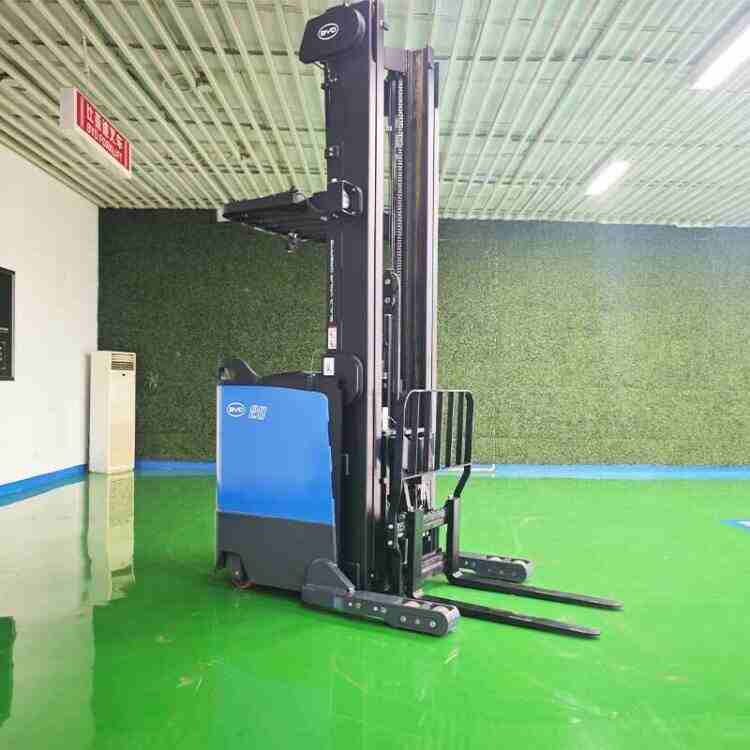
For maintenance and lifecycle cost, lead-acid batteries require regular distilled water top-ups, equalization charging, and regular cable and terminal inspection to extend service life, which takes up 2 to 3 hours of labor per week for each unit. In the hot and humid coastal climate of Tanzania, lead-acid batteries also have shorter average service cycles, usually lasting 2 to 3 years under heavy use. Lithium battery units, by contrast, require no regular daily or weekly maintenance related to the battery core, and can deliver stable performance for more than 8 years under standard operating conditions. Over the full 8-year ownership period, the total accumulated cost of lead-acid battery replacements, maintenance labor and extra power consumption will exceed the initial price gap between the two battery configurations.
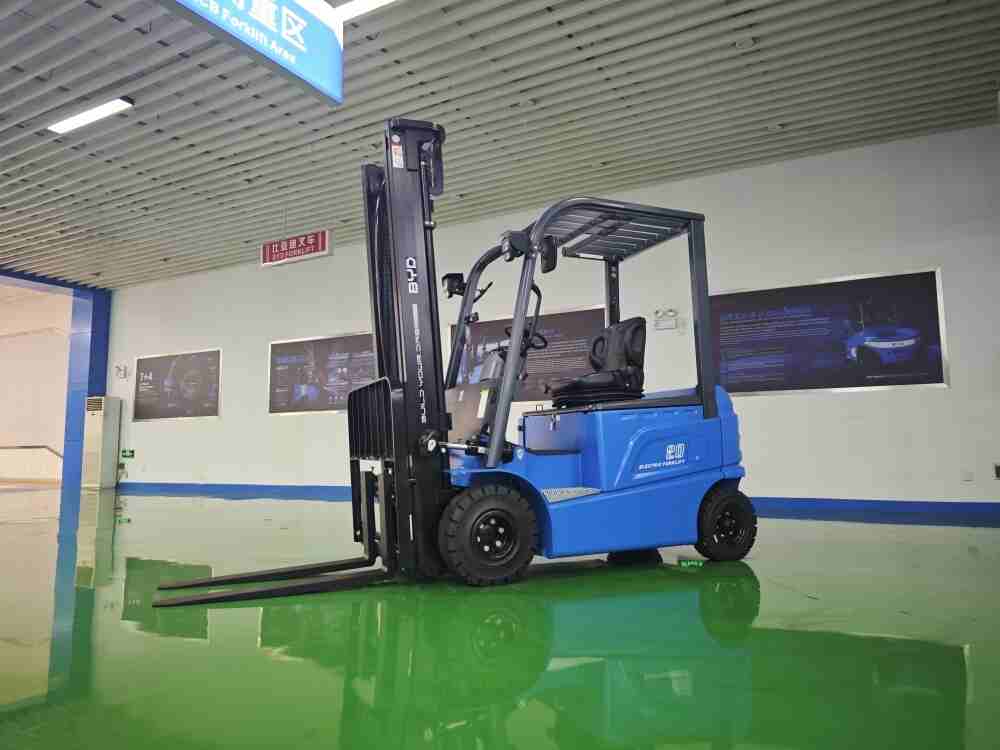
We are Jian Shu New Energy, a service provider focused on BYD electric forklift solutions. For tailored cost calculation and local after-sales support queries, you can reach us at [email protected].


