
 简体中文
 Русский
 Français
 Português
 Español
 لالعربية


In Douala, the core commercial and logistics hub of Cameroon, the demand for compact, high-maneuverability material handling equipment keeps growing among local port operators, warehouse managers, and small-sized distribution service providers. BYD three-wheel electric forklifts have gained wide recognition in the local market for their flexible operation performance, compact footprint that fits narrow aisles, and zero emission operation features. As Jianshu New Energy, a professional service provider that focuses on BYD electric forklift solutions, we have sorted out the actual purchase and full-cycle operating cost differences between lithium battery and lead-acid battery configurations for BYD three-wheel forklifts based on local long-term operation data in Douala.
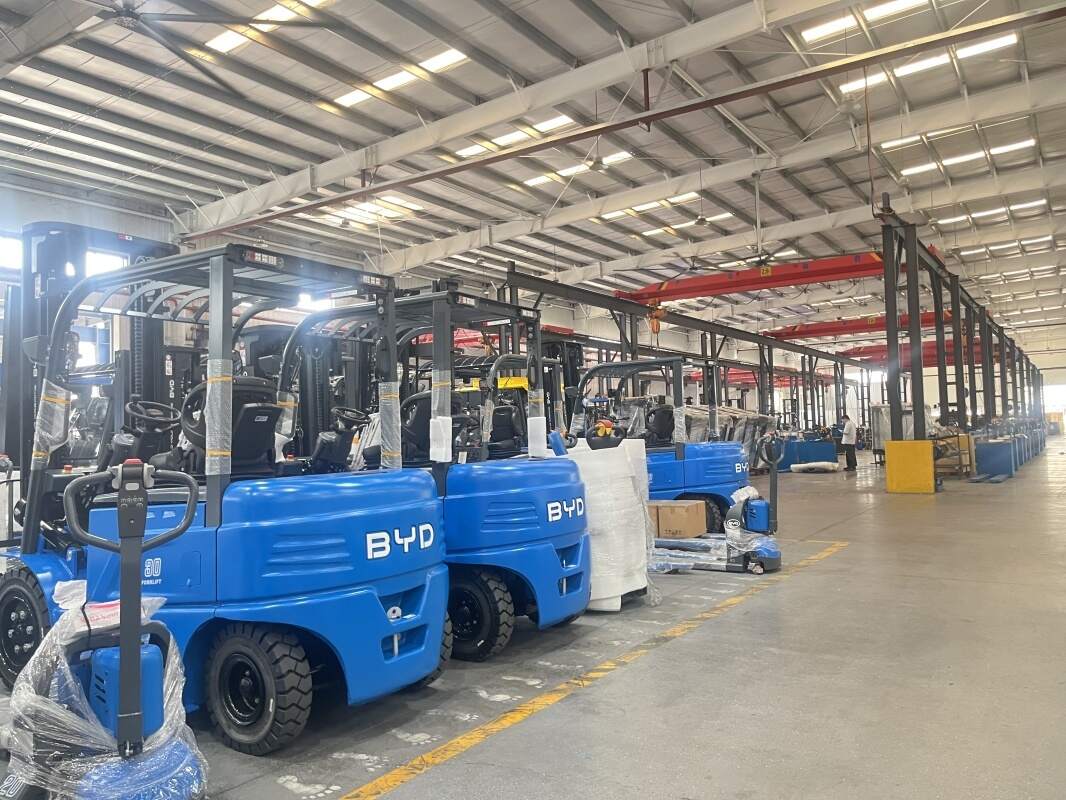
At the initial purchase stage, the lead-acid battery configured BYD three-wheel forklift usually has a relatively lower upfront payment, which can fit the short-term capital arrangement demand for small-sized operation teams. Users adopting this configuration need to arrange dedicated charging zones with good ventilation, arrange staff to complete regular battery water supplement maintenance, and reserve 8 to 10 hours of continuous charging time to meet daily operation needs. The lead-acid battery of this configuration can provide stable power output under low to medium operation intensity, and can meet basic material handling demands for scenarios with low daily working hours.
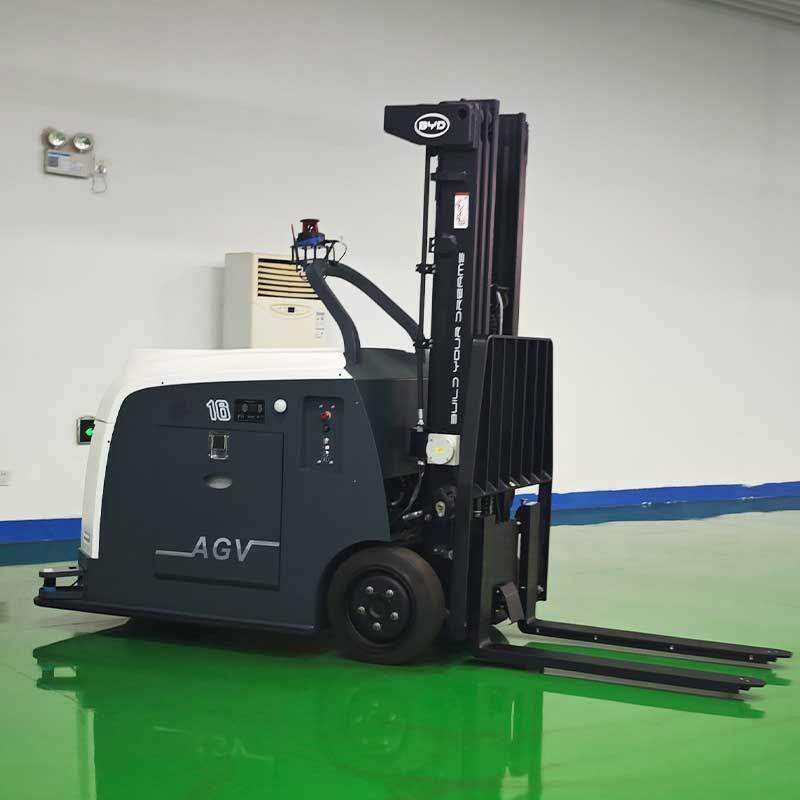
For lithium battery configured BYD three-wheel forklifts in Douala, the upfront purchase cost is slightly higher, but the battery module needs no extra daily maintenance work, supports opportunity charging during staff break time, and the overall battery service life can reach more than three times of standard lead-acid battery under normal use. Combined with local electricity price and labor cost in Douala, the total operating cost within 5 years of lithium battery configuration is lower than that of lead-acid configuration for most scenarios that run more than 4 hours per day. The lithium battery configuration also avoids the trouble of frequent battery replacement in high-intensity operation, and reduces the hidden cost caused by unexpected operation interruption.
For local users who only run the forklift for less than 2 hours per day with limited operation budget at the initial stage, the lead-acid battery configuration can be a proper cost-effective choice to meet basic material handling demands. For users from large logistics centers, port freight stations, and retail distribution hubs that maintain high daily operation intensity, the lithium battery configuration can bring higher operation efficiency and lower long-term comprehensive cost. Our local service team can provide targeted cost calculation and configuration recommendation for each user according to their actual operation scenarios, daily running duration, and budget arrangement. If you have related demands for BYD three-wheel forklift cost consultation, you can contact us via [email protected] for more detailed support.


