
 简体中文
 Русский
 Français
 Português
 Español
 لالعربية


Against the background that global logistics and industrial handling sectors are gradually shifting to low-carbon, low-operation-cost equipment solutions, lithium ion battery powered forklifts have gained wider popularity in recent years. For fleet managers, equipment purchasers and on-site operation teams, figuring out the core factors related to the lithium ion batteries equipped on forklifts helps to maximize the operation value of the equipment, and match actual use scenarios in a more targeted way.
The first core factor is the scenario-adaptive discharge performance of the battery cells. Unlike consumer-grade lithium batteries applied in small electronic devices, forklift lithium batteries need to cope with frequent start-stop actions, short-term high current output when carrying heavy loads to climb slopes, and continuous working conditions for several hours. Battery cells with matching discharge stability can maintain steady power output under long-term load, and avoid excessive performance attenuation within the normal service life cycle.
The second non-negligible factor is the multi-dimensional safety protection system. Most forklifts work in dense personnel warehouses, freight yards or production workshops, where there are often stacked goods and scattered operation channels. A complete battery management system that monitors the working status of each single cell in real time, plus reasonable physical protection structures such as high-strength shell and heat insulation layers, can effectively reduce potential safety risks in daily use, and create a more reliable working environment for on-site operators.
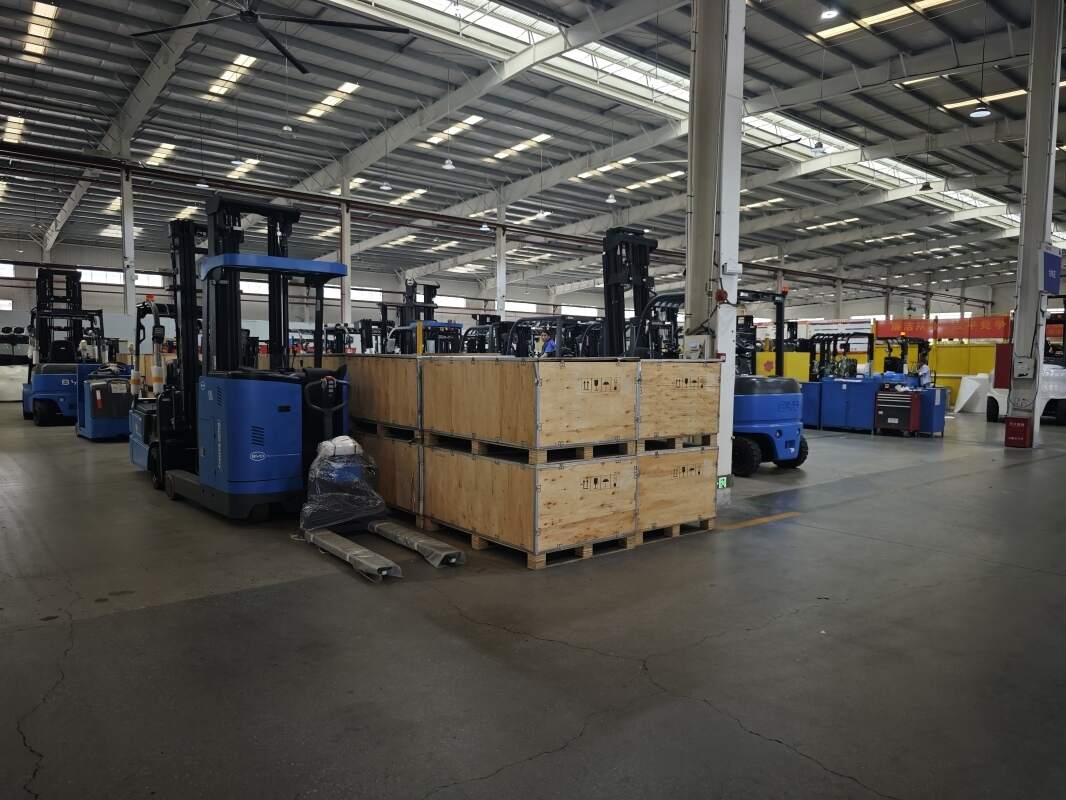
The third key factor is the balance between continuous operation capability and total use cost. High-quality forklift lithium batteries support fast charging function, which can replenish enough power during short breaks between shifts, no need to purchase extra spare batteries or build special battery replacement stations. Unlike traditional lead-acid forklift batteries, qualified lithium ion forklift batteries do not need regular water replenishment and related daily maintenance work, which can save a lot of manual operation costs for the enterprise during long-term use.
The fourth important factor is the wide temperature environmental adaptability. Some forklifts need to work in outdoor open yards or special low-temperature storage scenarios, the lithium battery with supporting thermal management structure can maintain stable power output within a common temperature range, avoid sudden power reduction or unexpected system protection shutdown in extreme temperature conditions, and ensure the continuity of handling operations.
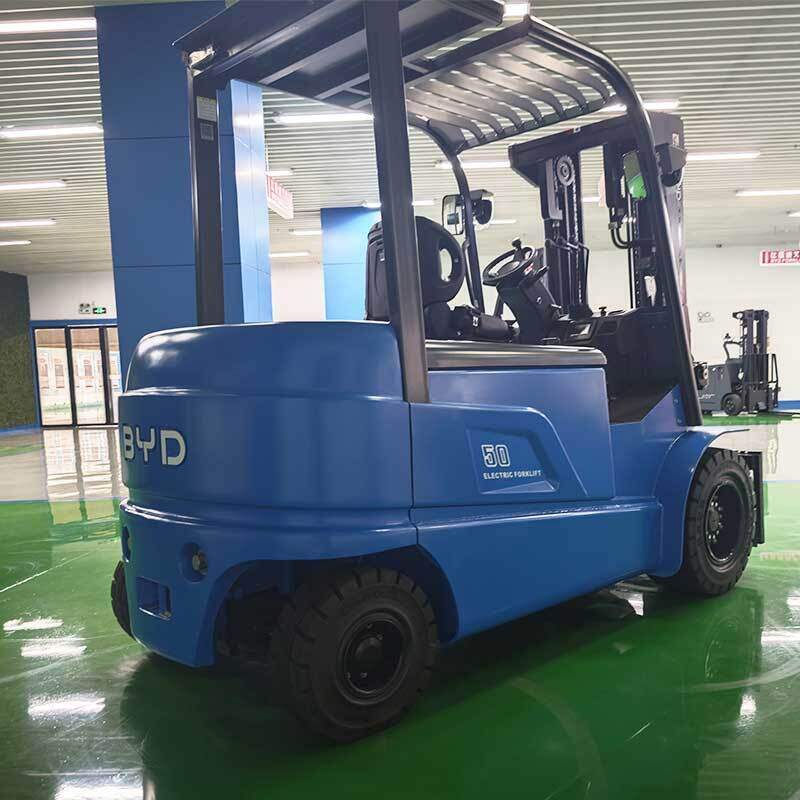
As Jianshu New Energy, we focus on BYD electric forklifts. If you have consultation demands for lithium ion battery forklift selection, operation scheme formulation, you are welcome to send emails to [email protected] for professional support.


