简体中文
 Русский
 Français
 Português
 Español
 لالعربية


When it comes to optimizing indoor and outdoor material handling efficiency for modern logistics, manufacturing and storage scenarios, lithium forklifts have become one of the most widely recognized and applied equipment options in recent years. Many enterprises tend to pay too much attention to the initial purchase cost when introducing related equipment, while ignoring a series of key practical factors that will affect the long-term operating cost, service life and operation safety of the equipment. The following content sorts out the core practical considerations for lithium forklifts from multiple dimensions for reference.
First, full scenario adaptability assessment is the primary prerequisite before selection. Different operating scenarios put forward differentiated requirements for the configuration of lithium forklifts. For example, users in cold storage scenarios need to confirm the low temperature resistance performance of the lithium battery pack, users with long continuous operation time need to match the corresponding battery capacity according to the actual daily working hours, and users with frequent heavy load handling needs need to select the corresponding load grade according to the maximum weight of daily handling goods. Blindly pursuing excessive configuration will cause unnecessary cost waste, and choosing equipment with mismatched parameters will not be able to meet daily operation needs, which will reduce the overall handling efficiency.
Second, standardized daily operation and maintenance rules help extend the full service life of the equipment. Different from traditional lead-acid forklifts, lithium forklifts do not need to add electrolyte regularly, which reduces a lot of daily maintenance workload, but it still needs to follow the correct operation specifications in daily use. Operators should avoid charging the equipment in an unventilated and humid environment, do not use non-matching charging equipment for supplementary power, regularly check the wear of the charging interface, the heat dissipation performance of the battery compartment, and the flexibility of the braking system. When the equipment is left idle for a long time, keep the remaining battery level in a reasonable interval to avoid long-term power loss that causes irreversible damage to the battery core.
Third, strict safety operation management is the core guarantee to avoid operation risks. All personnel who operate the lithium forklift must receive formal professional training before taking up the job, fully understand the load curve of the corresponding model, and strictly prohibit overloading operation. Before using the equipment every day, the staff should check the effectiveness of the warning light, horn, and braking device, and report any abnormal situation to the management personnel in time for maintenance.
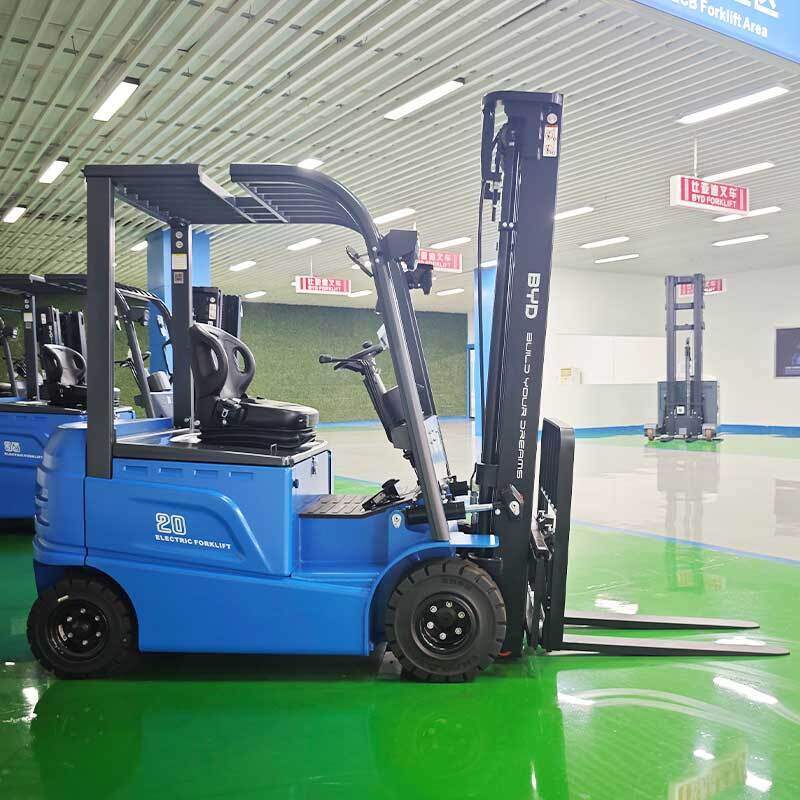
As a professional new energy material handling equipment service provider, Jianshu New Energy focuses on high-quality electric forklift related solutions. If you have any demand for consultation or customized matching of lithium forklift products, you are welcome to send an email to [email protected] to contact us, and we will provide you with professional and targeted service support.