简体中文
 Русский
 Français
 Português
 Español
 لالعربية


Against the backdrop of global low-carbon industrial transformation, more and more enterprises engaged in warehouse logistics, manufacturing processing, port cargo handling and other fields are choosing to update their material handling fleets with new energy equipment. Before making the investment decision on a BYD lithium forklift, it is necessary to sort out core related points to make the choice fit long-term operation demands, and avoid unnecessary cost waste in later stage.
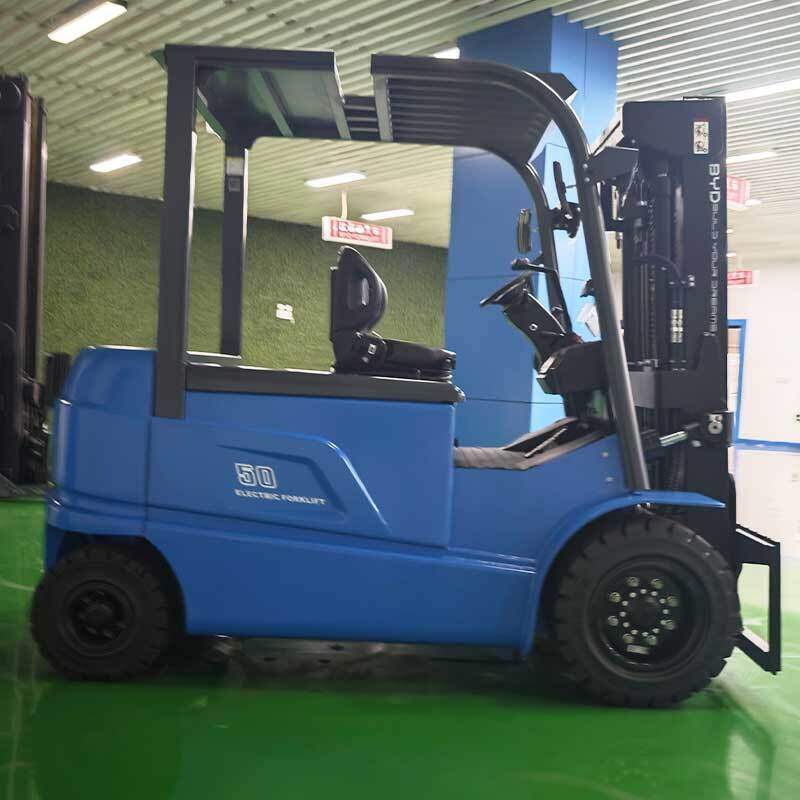
The first point to clarify is the total cost of ownership, instead of only focusing on the initial purchase price. Lithium-powered forklifts have higher energy conversion efficiency, the daily energy consumption expenditure is relatively lower than that of traditional internal combustion forklifts and lead-acid battery forklifts. Besides, the structure of lithium power system is simpler, it does not need regular maintenance work such as electrolyte replacement and plate cleaning, the annual maintenance cost can be controlled at a relatively low level. When calculating the operation cost within 3 to 5 years of the service cycle, the comprehensive expenditure of qualified lithium forklifts shows obvious controllable advantage.
The second key point is to confirm the scenario adaptation degree according to actual operation conditions. For indoor closed warehouses, zero exhaust emission of lithium forklifts can effectively avoid the air pollution caused by fossil fuel operation, which meets the indoor operation health and safety standards. For multi-shift high-load operation scenarios, the fast charging supplementary energy feature can support short rest time to complete energy replenishment, and maintain uninterrupted operation for a long time. For special operation environments with low temperature and high humidity, the corresponding protection design of the models can also ensure stable and reliable operation performance. Enterprises can sort out data such as daily average operation duration, site environment, maximum load demand in advance, to select the model with matching parameters, so as to avoid performance surplus or insufficient.
The third point is to confirm the full cycle service support. The operation and maintenance logic of lithium forklifts is different from that of traditional fuel models. Choosing a formal professional supplier can get complete guidance from pre-purchase demand survey to post-delivery operation training. We are Jian Shu New Energy, focusing on BYD electric forklift related services, and can provide customers with whole-process solutions including scenario inspection, model matching, regular after-sales inspection and rapid fault response. If you have any related consultation demands, you can send an email to [email protected] to connect with our professional consultant team.
In addition, enterprises also need to pay attention to the compliance value of lithium forklifts. At present, many regions have put forward clear emission control requirements for non-road mobile machinery in factory areas. Zero-emission lithium forklifts can easily meet the relevant environmental protection regulations, avoid the operation restriction risk caused by non-compliant emissions, and also help enterprises build a green low-carbon operation image, which is in line with the current industrial upgrading development trend.
Full consideration of the above key points before investment can help enterprises make a reasonable decision that matches their own operation demands, maximize the operation efficiency of the material handling link, and create more stable value for daily production and operation.