
 简体中文
简体中文 Русский
 Français
 Português
 Español
 لالعربية

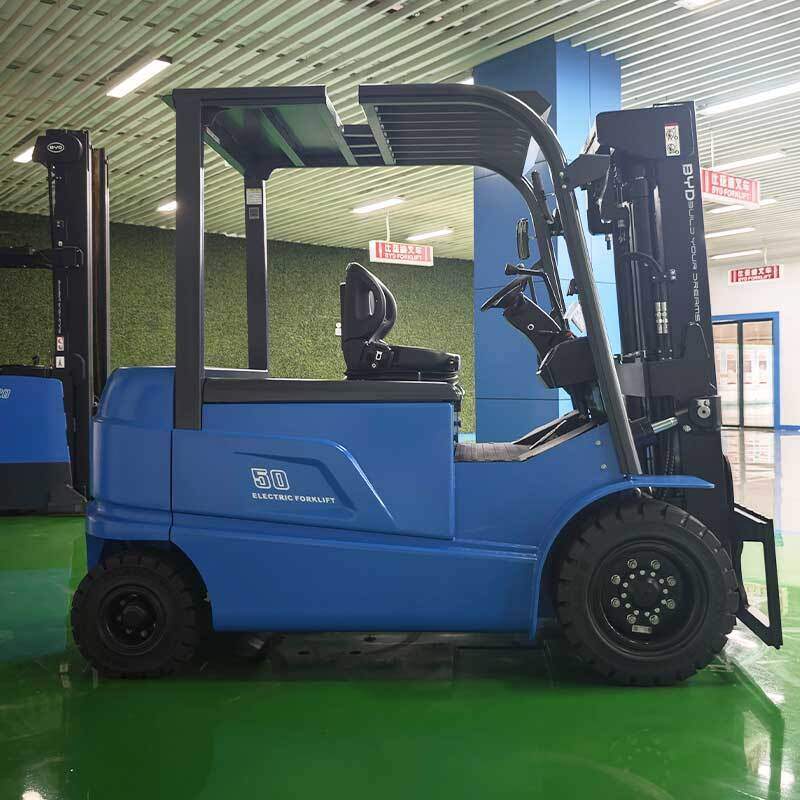
Against the background of continuous popularization of electric forklifts in global warehouse and logistics scenarios, operational safety risks caused by unregulated load handling have always been a key concern for industrial handling teams. Traditional load monitoring solutions for forklifts mostly rely on mechanical induction structures, which can only provide rough weight reference, fail to capture dynamic changes such as load center offset and unbalanced stacking, and cannot send out effective early warning before hidden dangers occur. The absence of systematic safety analysis support also makes most safety management work stay at the stage of post-accident investigation, which cannot achieve proactive risk prevention.
The latest generation of electric forklift load-monitoring innovations adopts multi-sensor fusion design, which can collect real-time data including total load weight, lifting height, tilt angle of mast and running posture of the vehicle. The built-in operation logic can dynamically calculate the safe load threshold corresponding to different working states, send sound and light reminders to operators when the actual load is close to the warning line, and restrict unsafe operations such as over-limit lifting automatically, to avoid possible rollover or cargo falling accidents effectively. All the collected load data will be synchronized to the supporting safety analytics system synchronously.
The supporting safety analytics system can integrate long-term operation data of all connected electric forklifts, generate visual statistical reports of daily load distribution, overload operation frequency and hidden danger occurrence rules. Operation managers can obtain targeted optimization suggestions from the analysis results, including personalized operation training for staff with non-standard handling behaviors, and reasonable adjustment of operation routes for sections with frequent hidden dangers. Such innovations help transfer safety management mode from passive response to active prevention, and bring stable improvement of overall operation safety level for logistics and industrial handling scenarios.


