
 简体中文
 Русский
 Français
 Português
 Español
 لالعربية


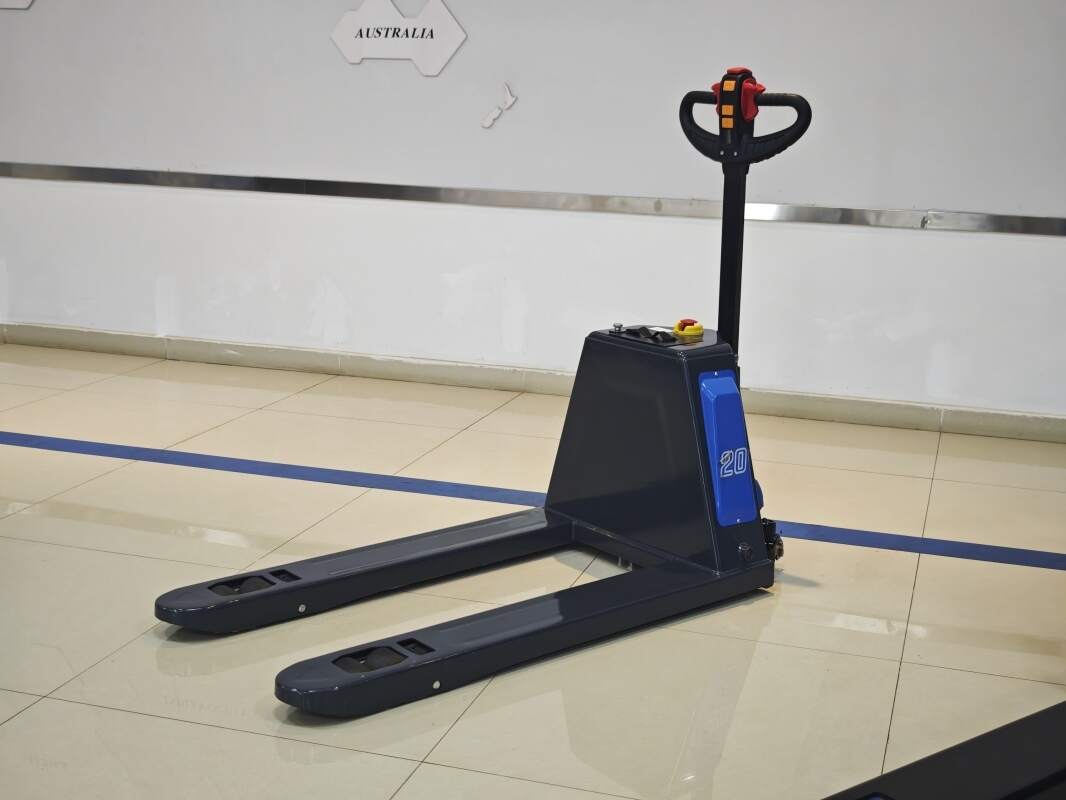
As the market demand for low-carbon, low-noise industrial handling equipment grows steadily, electric forklifts have become one of the most widely applied material handling tools in modern warehouses, logistics centers and manufacturing workshops. Mastering professional use and management knowledge can help operators give full play to the equipment’s inherent advantages, avoid unnecessary wear and reduce unnecessary operating expenditure.
Core Daily Operation Specifications
Before each shift, operators need to complete a full pre-use inspection covering the remaining power status, brake sensitivity, tire surface condition and hydraulic lifting system tightness, to eliminate hidden risks before formal operation. During the working process, operators should avoid frequent sharp acceleration or sharp deceleration, do not operate beyond the rated load range, and adjust the running speed according to the site pavement condition, pedestrian flow and stacking height. It is also not recommended to drive the equipment in areas with accumulated water that exceeds the rated protection height of the core electrical components, to avoid accidental damage to the internal circuit structure.
Routine Maintenance Guidelines
The power energy module is the core component that affects the overall service life of electric forklifts. Operators should follow the official specification for charging, avoid long-term overcharge or deep over-discharge, and regularly clean the contact surface of the power interface to keep it dry and free of dust. Regularly check the wear degree of the transmission parts, add appropriate amount of lubricating oil for the movable pin shaft position on schedule, check the sealing performance of the hydraulic oil pipeline, and replace the aging sealing parts in time to avoid oil leakage. Operators can arrange regular professional inspection for the whole equipment according to the actual working intensity, to find potential small problems in the early stage of failure.
Energy Efficiency Improvement Strategies
In actual work, operators can reasonably plan the driving route according to the goods storage location and operation task arrangement, reduce the unnecessary long-distance no-load driving, and properly adjust the lifting and descending speed of the fork according to the weight of the goods to reduce extra power consumption. When the equipment needs to stay for more than 10 minutes during operation, it is recommended to turn off the standby power system instead of keeping it in the idle operation state. These small operational adjustments can effectively extend the single continuous working time of the equipment, reduce the number of charging cycles in the long term, and bring more stable output for the daily handling work. The reasonable use and standardized management of electric forklifts do not require extra high investment, but can bring continuous improvement of operation efficiency and control of comprehensive use cost for the material handling system.


