
 简体中文
 Русский
 Français
 Português
 Español
 لالعربية


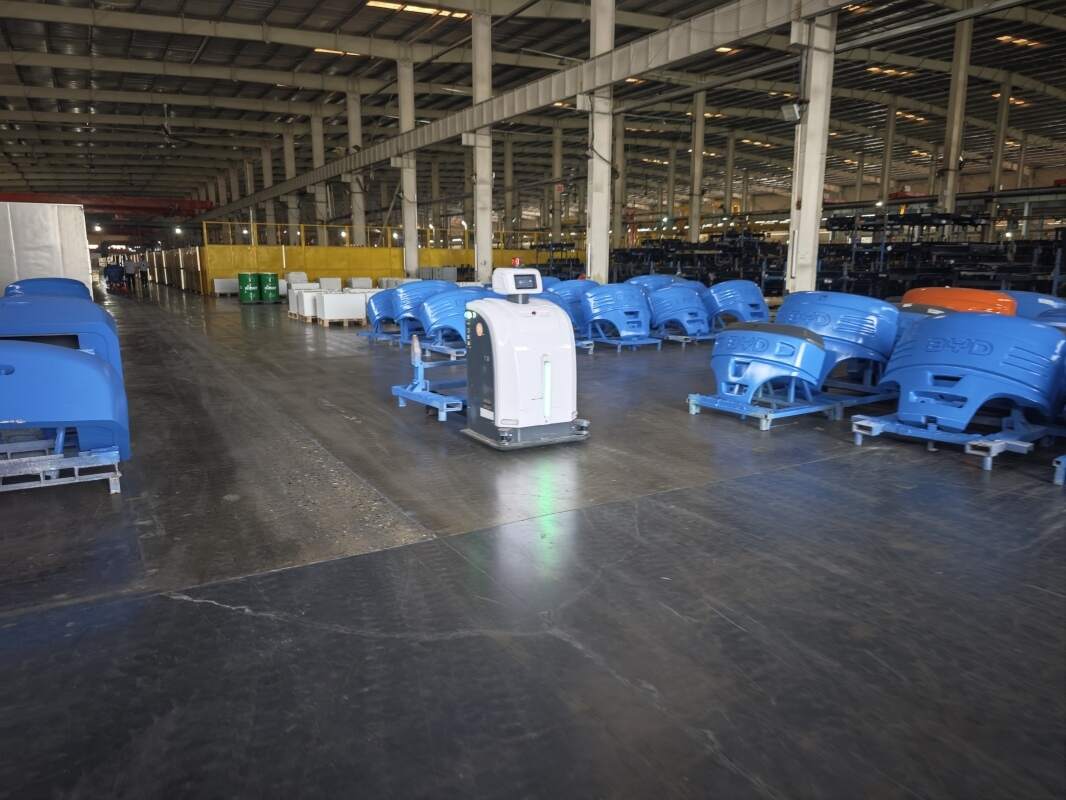
Against the backdrop of growing demand for low-carbon and efficient logistics operations, electric forklifts have gradually become a mainstream choice for indoor and closed-scene material handling, bringing obvious changes to the daily operation of many warehousing and distribution scenarios.
Core Performance Characteristics of Electric Forklifts
Different from fuel-powered counterparts, electric forklifts rely on electric drive systems to output power, with no exhaust emission during the whole operation process, which can meet the environmental protection requirements of indoor enclosed storage spaces such as food, medicine and cold chain warehouses. The whole machine runs with low noise, which will not cause continuous noise interference to on-site operators, and the overall energy consumption cost per unit running hour is lower than that of traditional fuel models, matching the cost control needs of long-term large-frequency material handling scenarios.
Standard Operation Specifications for Safe Use
Before each start-up operation, operators need to check the residual power, braking sensitivity and tire condition of the equipment in advance to avoid hidden dangers caused by long-term lack of inspection. During the operation process, operators need to strictly follow the rated load mark on the equipment body, not to carry over-weighted goods, keep low speed when turning or driving on uneven ground, and avoid sharp steering which may cause the goods to fall and slip. When the equipment is not in use, the fork should be lowered to a safe height, the power supply should be cut off in time, and the handbrake should be pulled to prevent accidental sliding.
Daily Maintenance Guidance for Long-term Stable Operation
The core power components of electric forklifts need regular targeted maintenance, the most critical part is the energy storage unit, operators should follow the specified charging process to supplement power, avoid long-term full power loss storage, and regularly clean the dust on the surface of the heat dissipation structure to keep the heat dissipation efficiency of the drive system in a normal state. Regularly check the lubrication state of the transmission and hinge parts, replenish lubricating oil in time according to the operation frequency, which can effectively reduce the wear rate of moving parts and extend the overall service cycle of the equipment. Reasonable use and regular maintenance can help enterprises give full play to the performance advantages of electric forklifts, and steadily improve the overall operation efficiency of the material handling link.


