
 简体中文
 Русский
 Français
 Português
 Español
 لالعربية


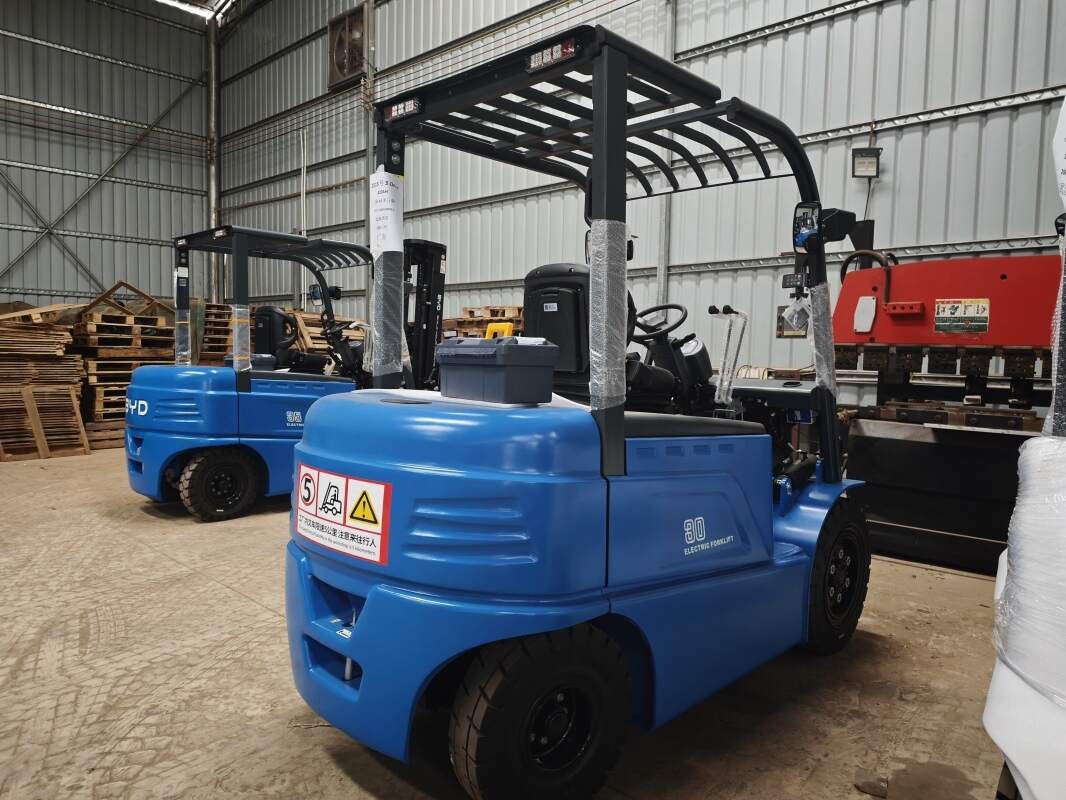
As the core equipment of modern logistics system, electric forklift has been widely applied in more and more indoor operation scenarios in recent years. Reasonable use and regular maintenance can help enterprises obtain more stable operation output in daily material handling processes.
Core Performance Advantages of Electric Forklifts in Closed Working Scenarios
Different from internal combustion powered handling equipment, electric forklifts produce no exhaust emission during operation, which fits the environmental requirements of food storage, electronic component warehouse, pharmaceutical distribution center and other scenarios with strict air quality standards. The low operating noise also reduces the noise interference to on-site staff, and avoids the hidden trouble of noise-induced fatigue during long time consecutive shifts. The structure of electric power system is relatively compact, and there is no need to reserve special fuel storage area in the warehouse, which can save more effective storage space for enterprises.
Practical Daily Maintenance Specifications for Long-term Stable Operation
Operators need to complete basic pre-shift inspection before each use, including checking the remaining power of the power battery, the wear degree of solid tires, the sensitivity of brake and steering system, and whether there is liquid leakage in the hydraulic lifting structure. It is not recommended to keep the equipment under full load running state for more than 2 consecutive hours in high temperature environment, and it is necessary to regularly clean the debris and dust accumulated on the heat dissipation air outlet to avoid abnormal shutdown caused by overheating. Regular professional inspection should be arranged according to the actual working hours, and non-certified personnel should not modify the internal circuit structure without permission.
Key Operation Points to Improve Work Efficiency and Safety
All on-site operators should receive complete pre-job skill training, be familiar with the load limit of the corresponding model, and strictly avoid overloading during operation. Slow down in advance when turning at the intersection of warehouse channels, and set obvious warning signs in narrow operation areas to remind passing personnel to keep a safe distance. Enterprises can optimize the daily handling route according to the actual layout of the storage area, reduce unnecessary empty driving distance, and make reasonable scheduling of equipment according to the peak period of inbound and outbound operations, so as to give full play to the use value of each electric forklift. For most small and medium-sized warehouse scenarios, following the above operation and maintenance rules can help obtain a relatively ideal long-term use experience.


