
 简体中文
 Русский
 Français
 Português
 Español
 لالعربية


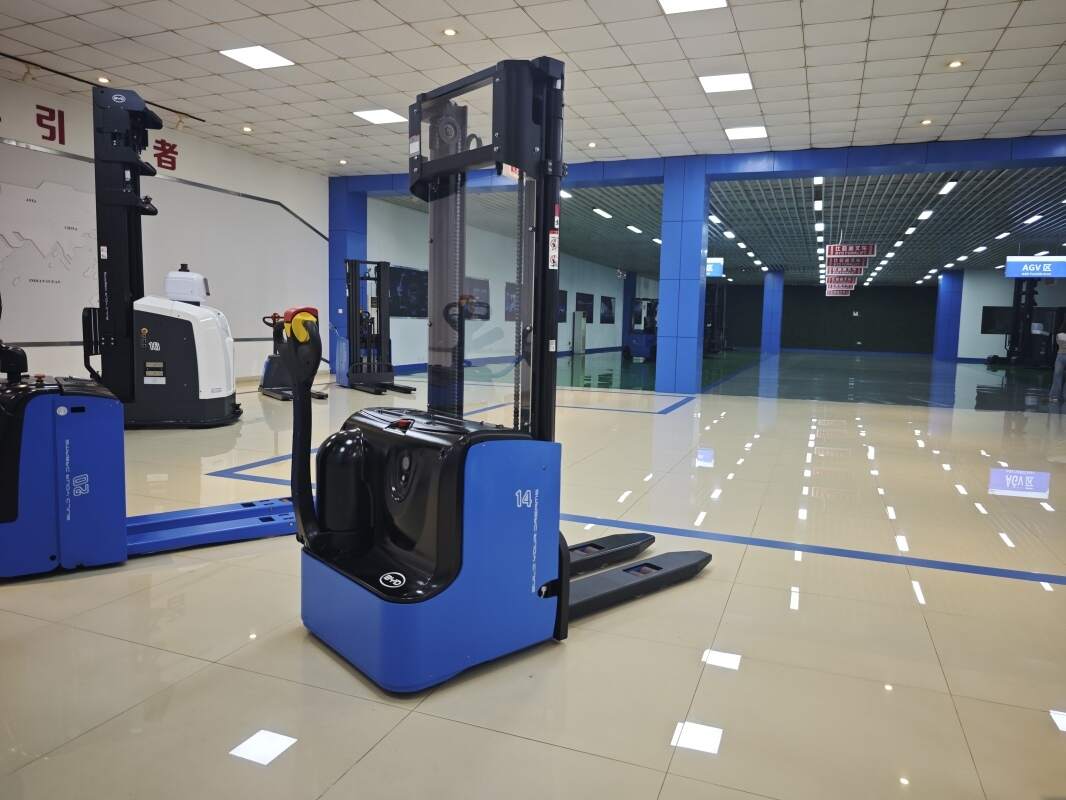
Along with the widespread promotion of low-carbon logistics systems across different industrial scenarios, electric forklifts have become one of the most common core equipment for indoor and outdoor material handling tasks, and proper mastering of relevant professional knowledge can help operators give full play to the equipment’s inherent performance while extending its service life.
Core Operational Norms for Daily electric forklift Use
When operators start the machine, they need to conduct a pre-check of the surrounding working environment first, to confirm there are no obstacles or unrelated personnel in the moving area, and adjust the operation parameters to match the weight of the goods to be handled in this shift. During the moving process, operators need to avoid sharp turns or sudden braking at high speed, especially when carrying goods at a high lifting height, to reduce the risk of side slipping of the equipment or falling of the cargo. When the equipment is not in temporary use, the operator should lower the lifting fork to a certain safe height, pull the handbrake and cut off the operation power source, which can effectively avoid misoperation by unrelated personnel.
Key Points of Routine Preventive Maintenance
Unlike internal combustion forklifts, electric forklifts rely heavily on power supply systems and motor control components, so regular maintenance work should focus on these two core modules. Operators should wipe the dust and sundries on the surface of the power module after each shift, check the cable connection status regularly, and avoid liquid leakage or short circuit caused by long-term accumulation of dust and moisture. They also need to check the wear degree of the running tires every week, adjust the lubrication state of the transmission system on a monthly basis, and arrange professional personnel to conduct a comprehensive performance test of the whole machine every three months, which can reduce the probability of sudden failure during peak operation periods.
Scenario-based Optimization of Electric Forklift Application
For different application scenarios, staff can make reasonable adjustments to the use mode of electric forklifts to get better use effects. For closed indoor warehouse scenes with frequent cargo handling, users can adjust the maximum moving speed of the equipment appropriately, to adapt to the narrow passage layout and reduce collision risk. For outdoor open yard scenes, users need to take targeted protective measures for the equipment shell and power system according to the weather conditions, to extend the stable operation time of the equipment. The reasonable matching of equipment parameters and actual scenarios can further improve the overall operation efficiency of the whole logistics process without additional extra cost input.


