
 简体中文
 Русский
 Français
 Português
 Español
 لالعربية


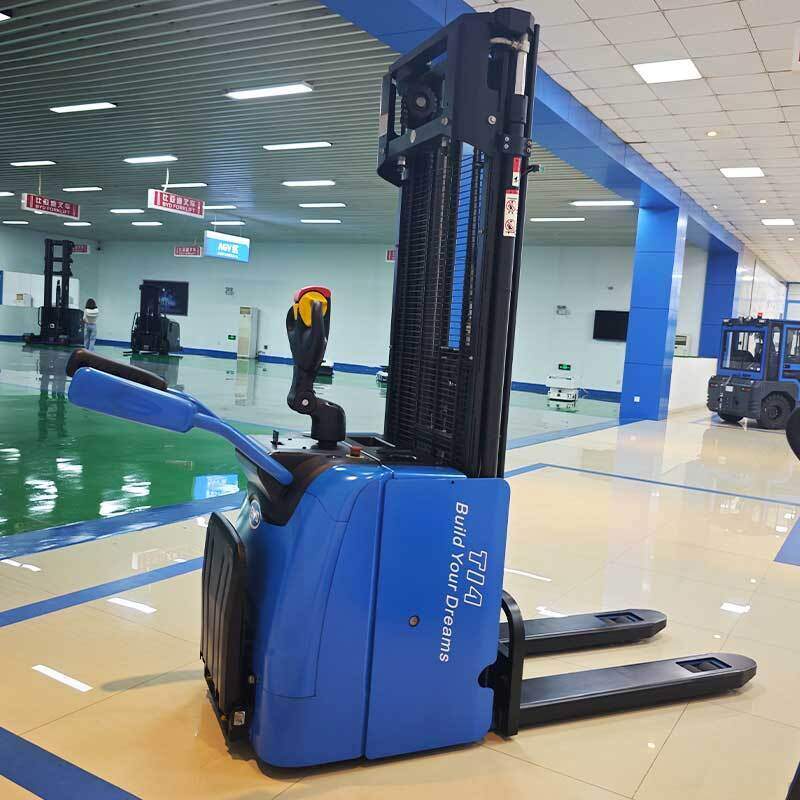
Against the backdrop of growing demand for low-carbon and high-efficiency warehouse operations across the global logistics sector, electric forklifts have become one of the most widely used material handling equipment in various industrial scenarios in recent years. Mastering relevant professional knowledge of such equipment can help relevant practitioners reduce unnecessary operation risks and lower long-term usage costs.
Core Performance Features of Electric Forklifts
Unlike traditional internal combustion powered handling equipment, electric forklifts produce no direct exhaust emission during operation, and generate much lower working noise, which makes them highly suitable for enclosed working spaces such as food storage warehouses, pharmaceutical distribution centers and indoor production workshops. The output power of standard models can meet the load bearing demands of most common handling tasks from 1 ton to 5 tons, and the flexible body design can adapt to narrow warehouse passage layouts to a large extent.
Standard Daily Operation Specifications
Before starting each shift of operation, operators need to complete basic pre-checks, including battery remaining power status, brake system sensitivity, warning light function and the intactness of cargo forks. During the operation process, operators should strictly follow the site traffic rules, avoid overloading beyond the rated load capacity, slow down in turning areas, and give out clear warning signals when passing through blind corners or narrow passages. It is not allowed to lift personnel with cargo forks for high altitude operation, and operators should keep a safe distance from surrounding obstacles and working personnel at all times.
Routine Maintenance Suggestions for Long-term Usage
For the core power battery part, users should follow the official charging guidance to avoid over discharging or overcharging the battery unit, and arrange regular supplementary charging for the equipment that is put aside for long term, to prevent irreversible capacity loss of the battery. Users also need to check the sealing condition of the hydraulic lifting system, tire wear degree and the cleanliness of circuit connectors on a regular basis, clear accumulated dust and sundries on the surface of the equipment, to reduce the probability of unexpected operation failures.
Scenario Matching Optimization Strategies
For special working scenarios such as low temperature cold chain warehouses, users can adjust relevant equipment parameters to adapt to the low temperature working environment, and arrange proper heat preservation measures for the power system if necessary. For scenarios with frequent high altitude stacking operations, operators can adjust the lifting speed to a proper level to ensure the stability of heavy cargo. For scenarios with long distance transshipment across the plant area, users can arrange reasonable distribution of charging points to reduce unnecessary empty driving energy consumption.


