
 简体中文
 Русский
 Français
 Português
 Español
 لالعربية


Nowadays, three-wheel forklifts are widely applied in narrow-aisle warehouses, precision manufacturing workshops and e-commerce sorting centers for their compact body, small turning radius and flexible operation performance. For fleet managers and logistics operators, the accurate calculation of energy cost per hour has become a core reference index to control overall intra-logistics expenditure.
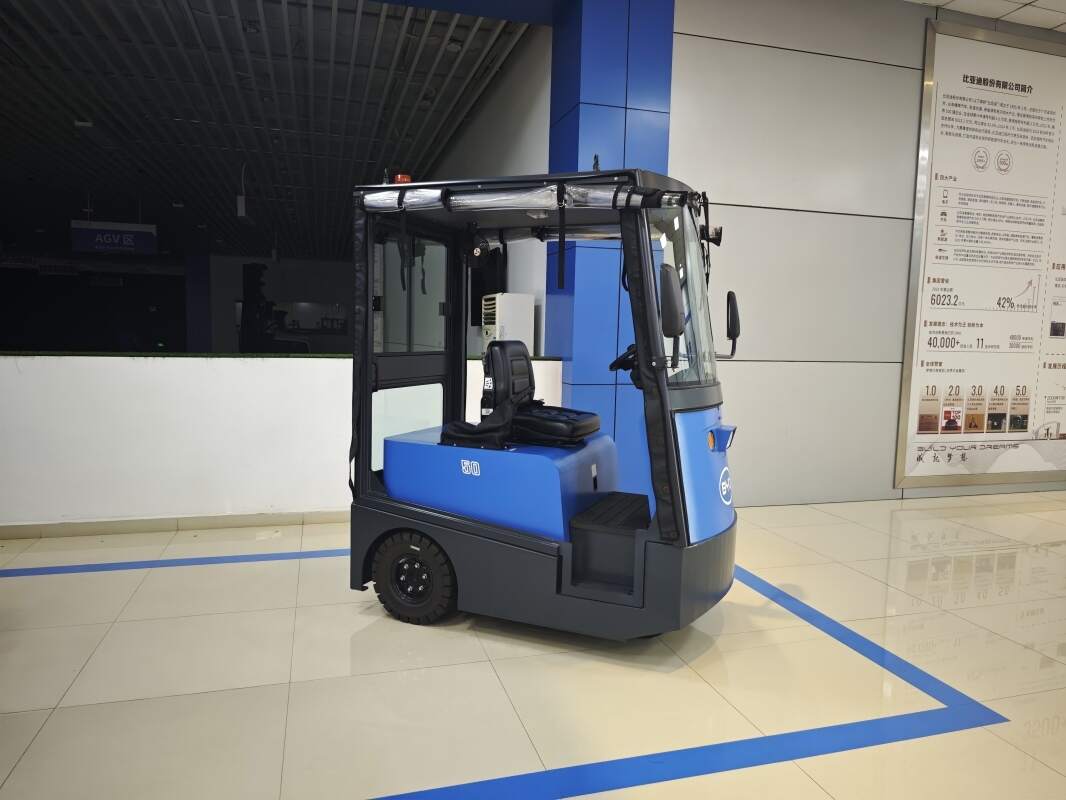
Different from internal combustion forklifts whose energy cost is greatly affected by fluctuating fuel prices, electric three-wheel forklifts have relatively stable energy cost composition. In conventional daily operation, the energy consumption of three-wheel electric forklifts varies with actual load status, pavement condition and operation intensity. For general scenarios, the average hourly power consumption of standard spec three-wheel electric forklifts ranges from 2kWh to 4kWh. Combined with local industrial electricity price standard, the energy cost per hour can be controlled within a reasonable range, far lower than that of same load capacity internal combustion counterparts.
Multiple factors will lead to reasonable fluctuation of hourly energy cost. The first influencing factor is actual load rate: when the forklift works under 70% to 100% of rated load for long continuous time, the energy consumption will rise slightly compared with no-load or half-load short-distance transfer scenarios. The second factor is operation condition: frequent steering in narrow aisles, frequent lifting and lowering of goods, or long time operation on sloped pavement will bring slight increase of energy consumption, while stable operation on flat ground at constant speed can get better energy efficiency performance. The third factor is charging arrangement: making full use of off-peak electricity period to finish energy supplement can effectively reduce the average energy cost per hour in long-term operation.
As Jianshu New Energy, we focus on BYD electric forklifts, and our products have completed multiple rounds of optimization on power system matching and energy recovery function. Under the same operation condition, the actual hourly energy consumption performance meets strict low energy consumption standard, to create higher value for users. We do not provide exaggerated unproven data description, and users can obtain the actual test data under different working conditions through official consultation.
To further reduce the hourly energy cost of three-wheel forklifts, operators can arrange operation routes reasonably, avoid unnecessary frequent start and stop, and carry out regular routine maintenance for the vehicle to keep the power system in optimal working state. For users who have demand for relevant product parameters or customized energy efficiency scheme, you can send email to [email protected] for professional support.


