简体中文
 Русский
 Français
 Português
 Español
 لالعربية


When local warehouse and logistics operators in Lilongwe sort out daily operating costs, the hourly energy expenditure of reach trucks has always been a key item that affects the overall profit margin of material handling links. For a long time, many practitioners have not formed a unified and accurate calculation standard for this indicator, which leads to the actual operation cost often exceeding the pre-estimated range.
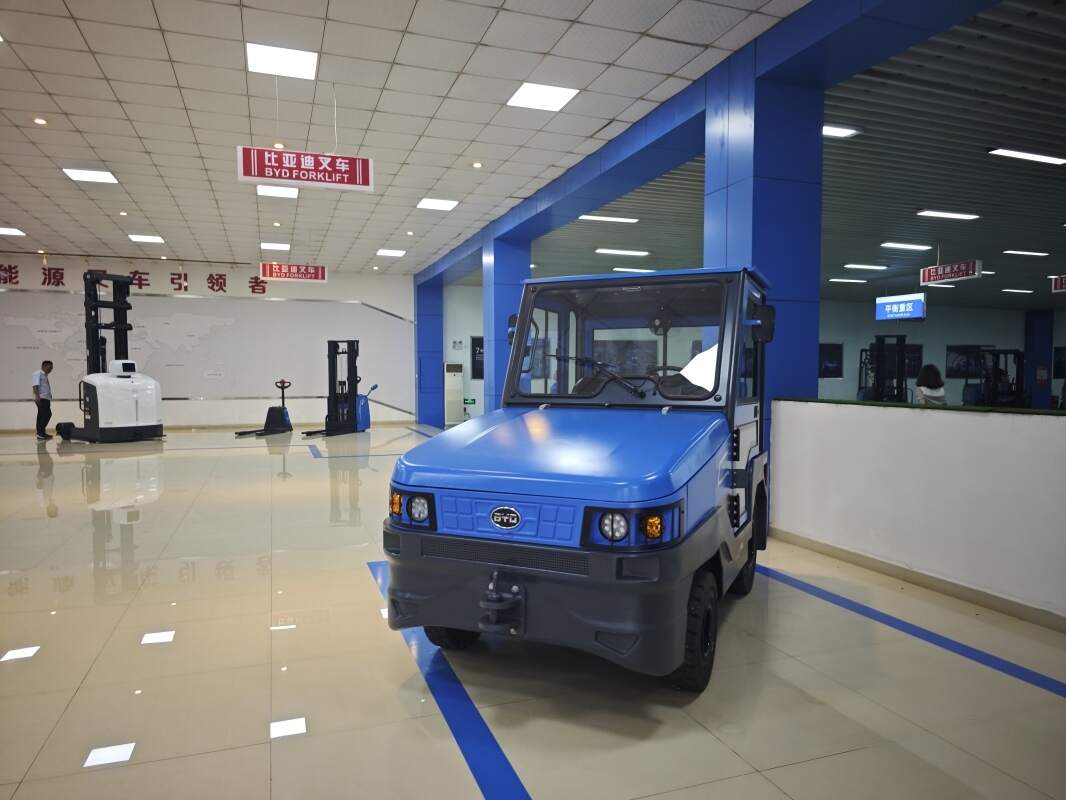
The actual hourly energy cost of electric reach trucks in Lilongwe is affected by multiple tangible factors. The first influencing factor is the local power price level. Different from the scattered charging scenarios for small mobile equipment, industrial and commercial dedicated charging piles for logistics equipment in different areas of Lilongwe have different tariff standards, and the peak-valley difference of electricity prices in some industrial parks can reach a relatively obvious level. The second influencing factor is the actual operation condition of the equipment. If the reach truck needs to frequently lift heavy cargos to the height of more than 5 meters for a long time, its energy consumption per unit time will be about 12% to 18% higher than that of the scenario that only carries out short-distance horizontal handling at a low position. The third influencing factor is the daily maintenance status of the equipment. Regularly adjusting the operating parameters of the hydraulic system and maintaining the battery health state can effectively reduce the invalid energy consumption generated in the operation process, so as to stabilize the hourly energy cost at a reasonable level.
At present, a large number of actual operation data from local scenarios in Lilongwe show that, under conventional warehouse operation conditions, the hourly energy cost of standard load electric reach trucks is at a relatively low level, which is far lower than the hourly fuel cost of internal combustion handling equipment with the same load level. Many local warehouse operators have further optimized the comprehensive hourly energy cost by adjusting the work shift arrangement, arranging the heavy-load handling work with high energy consumption to the electricity price valley period, and the actual operating data shows that this measure can reduce the average energy cost by about 18% without additional equipment investment.
We are Jian Shu New Energy, focusing on BYD electric forklift related services, and we have accumulated a wealth of actual operation data of reach trucks in local Lilongwe scenarios in recent years. If you need customized energy cost accounting scheme or related operation optimization consulting services for your own warehouse, you can contact us via email at [email protected].