简体中文
 Русский
 Français
 Português
 Español
 لالعربية


Bamako, as the core commercial and logistics hub of Mali, hosts a large number of storage parks, port cargo transfer stations, building material trading markets and fresh distribution centers, where three-wheel forklifts are widely applied for short-distance material handling due to their flexible steering and small footprint. Most local operation practitioners used to judge procurement options only from the initial purchase price for a long time, while ignoring the total cost input in the whole service cycle, which easily leads to extra unnecessary expenditure in daily operation.
For diesel three-wheel forklifts, the relatively low initial procurement cost is their most prominent advantage for many small and medium-sized operators. However, the fluctuating fuel price in local Bamako market brings uncertain daily operation expenditure. Statistics from local operation cases show that for a three-wheel forklift working 8 hours per day, the monthly fuel cost accounts for a large proportion of the daily operation budget. Besides, the regular maintenance of internal combustion engine, including oil replacement, filter element update and wear part inspection, will generate continuous stable expenditure. In recent years, as local environmental management requirements for operation sites become stricter, the emission compliance related expenditure for diesel forklifts also rises gradually, further increasing the total cost of long-term use.
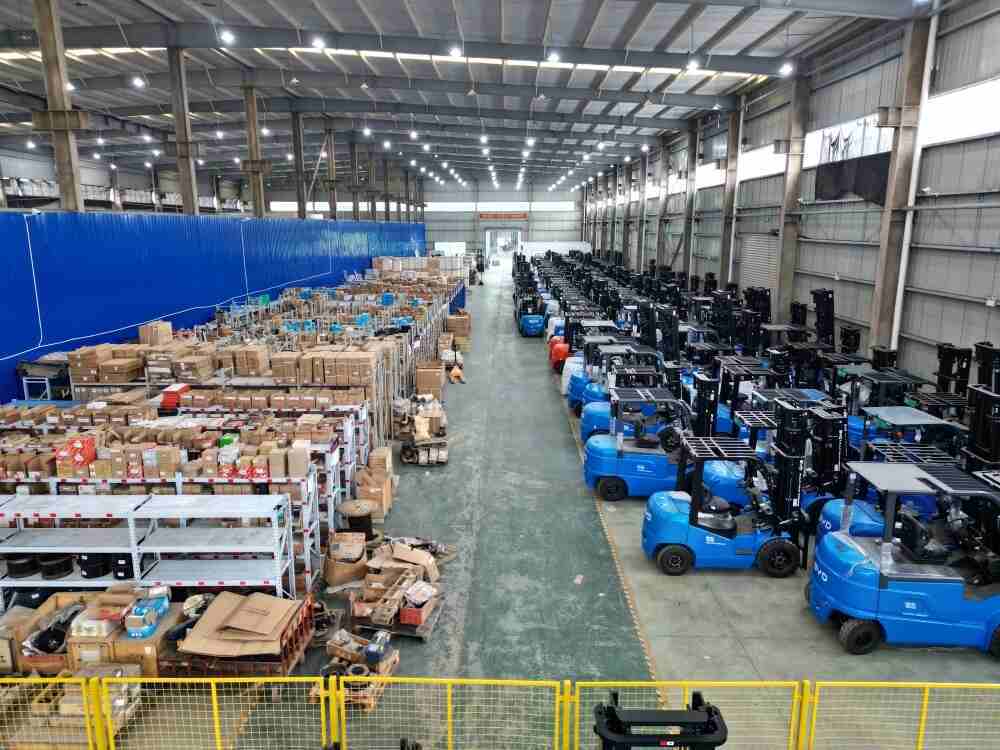
For electric three-wheel forklifts, the initial procurement cost is slightly higher than that of diesel counterparts, but the advantage of low long-term operation cost is very prominent. The stable commercial electricity price in Bamako makes the daily charging cost of electric forklifts only about one third of the fuel cost of diesel models under the same working condition. What is more, the electric drive system does not have complex internal combustion moving parts, the daily maintenance work only includes battery status check, brake system debugging and hydraulic component inspection, which cuts down most of the expensive engine maintenance cost. For high-frequency operation scenarios, the cost gap between electric and diesel forklifts can be recovered within 18 to 24 months of normal use. The well-designed temperature control system of qualified electric forklifts can also adapt to the local high-temperature outdoor working environment in Bamako, operating stably in open-air cargo yards, indoor storage areas and various other scenarios.
As Jian Shu New Energy, we focus on BYD electric forklifts, providing Bamako local customers with scenario-matching model selection consultation and full-cycle after-sales operation support. If you need a customized cost calculation plan for your own operation conditions, you are welcome to send emails to [email protected] for consultation.