

In recent years, Oman’s rapid development in port logistics, industrial manufacturing, cold chain storage and distribution sectors has driven steady growth in demand for material handling equipment. Many local operation teams are weighing the choice between traditional diesel forklifts and new lithium electric forklifts, with total cost across the full service cycle as the core evaluation indicator.
First, from the perspective of initial procurement input, lithium forklifts have a slightly higher upfront cost than diesel counterparts of the same load capacity. This gap is offset step by step during the subsequent long-term operation process, bringing more predictable cost control space for enterprise operation.
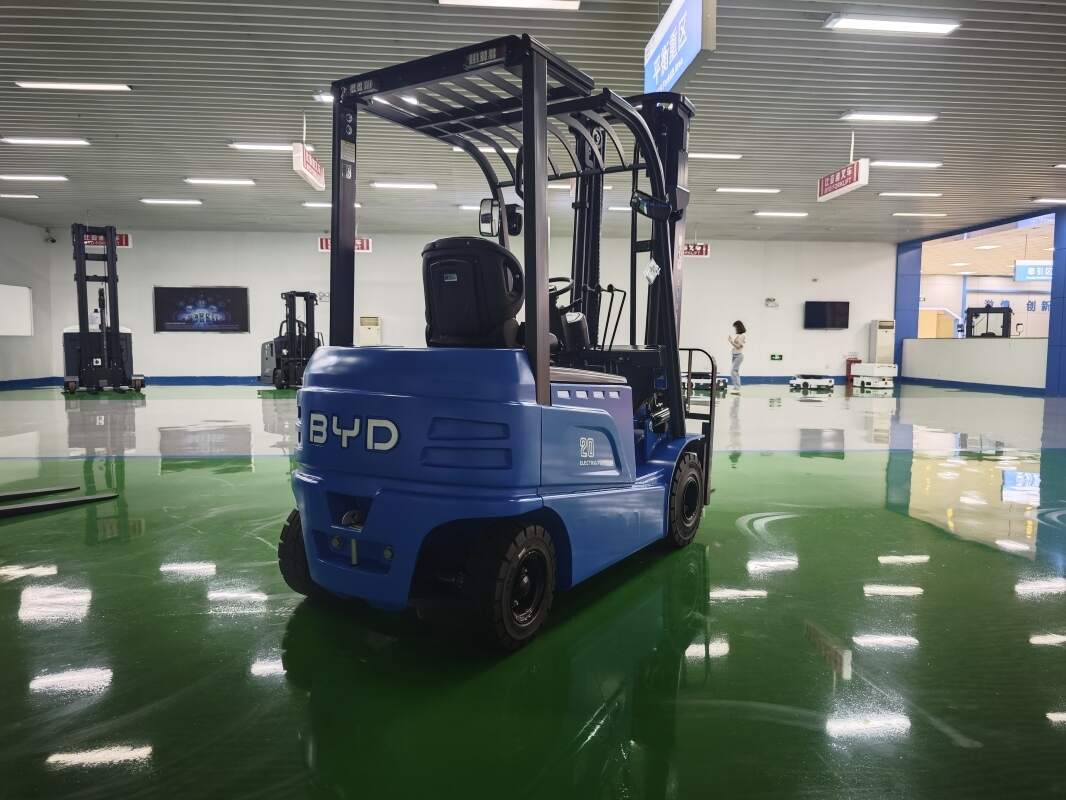
Then look at daily operating consumption cost. Affected by international energy price fluctuation, diesel cost accounts for a large proportion of daily expenditure for traditional diesel forklift fleets. For a standard 2.5 ton load capacity forklift working 8 hours a day, the monthly diesel consumption cost stays at a relatively high level in Oman’s local market. In contrast, lithium electric forklifts use local industrial power for charging, and the unit energy cost is much more stable, without the volatility of oil price, which can lock the daily operation expenditure in a very controllable range.
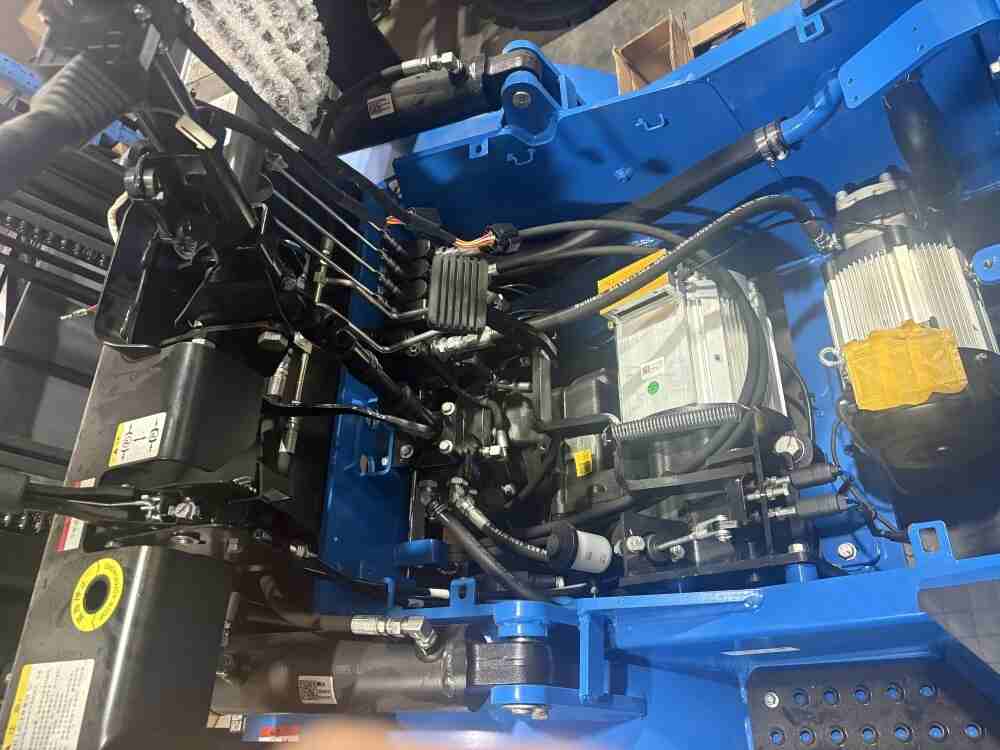
Next comes the maintenance and compliance cost. Traditional diesel forklifts need regular replacement of engine oil, fuel filter, air filter and other wearing parts, plus regular check of engine operating status, the annual maintenance cost cannot be ignored. Meanwhile, Oman’s latest environmental protection regulations have put forward stricter requirements for exhaust emission of industrial internal combustion equipment, and extra emission testing and governance cost will also increase the extra expenditure of diesel forklift operation. Lithium forklifts have no internal combustion engine related wearing parts, the routine maintenance only includes check of tire, brake and electric system, the annual maintenance cost is far lower than that of diesel forklifts. In addition, lithium forklifts produce no exhaust emission during operation, which meets the local environmental compliance requirements without extra governance cost.
For the whole service cycle of 5 years, the total ownership cost of lithium forklifts shows outstanding advantage comparing with diesel forklifts, and it also brings more comfortable operation experience for on-site operators, and is more suitable for closed warehouse scenarios that require clean operation.
We are Jianshu New Energy, focusing on BYD electric forklifts. If you need customized cost accounting solutions suitable for your local operation scenarios, you can send email to [email protected] for professional consultation and supporting service support.


