
 简体中文
 Русский
 Français
 Português
 Español
 لالعربية


In recent years, the logistics and warehousing industry in Tunisia has been accelerating the electrification transformation of material handling equipment, and electric stackers have been widely applied in scenarios including port cargo yards, suburban distribution centers and urban retail storage points. For operation sites located in remote industrial zones or areas with unstable public grid coverage, generator-backed charging has become a common supplementary power supply solution to ensure the continuous operation of electric stackers, and clarifying the full cost composition of this solution helps local operators make more reasonable investment and operation decisions.
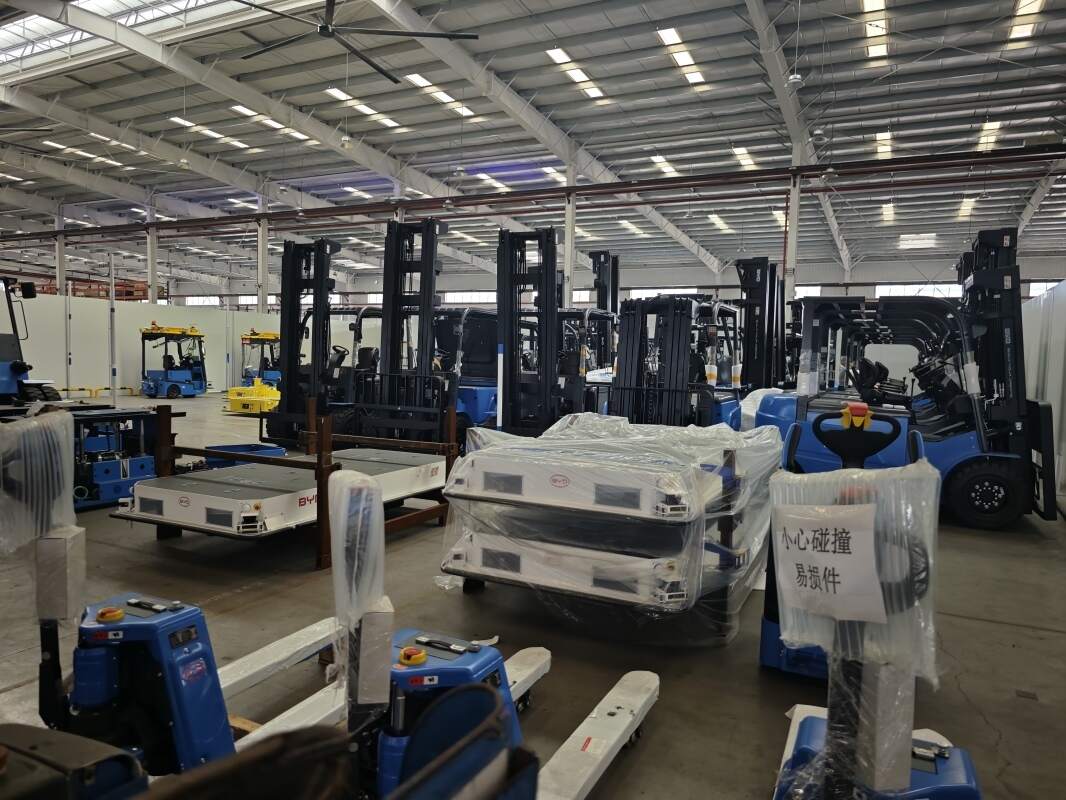
The first part of the cost is the one-time initial investment. It includes the purchase cost of the generator unit that matches the power demand of the electric stacker charger, the supporting cost of the special charging module that adapts to the unstable output power of the generator, the construction cost of on-site power distribution wiring that meets local safety specifications, and the small expenditure of relevant operation qualification filing required by local regulatory authorities. Users can choose configuration specifications matching their actual number of electric stackers and daily operation hours to avoid unnecessary excess investment.
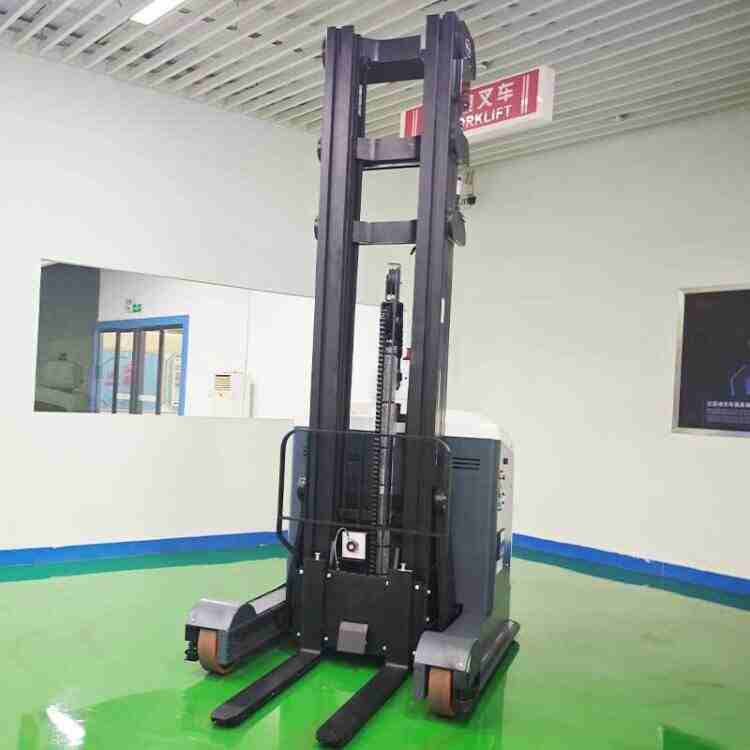
The second part is the daily recurring operation cost. The largest proportion is the fuel consumption cost of the generator, which is directly linked to the local fuel price in different regions of Tunisia and the actual daily charging time of the equipment. The second item is the routine maintenance cost of the generator, including regular replacement of lubricating oil, filter elements and consumable parts, as well as regular safety inspection expenditure. In addition, there will be certain electric energy loss during the conversion from generator output to electric stacker battery storage, which is also a part of the daily operation cost that cannot be ignored.
There are also potential hidden costs that need to be taken into full consideration. For example, long-time generator operation will produce certain noise and exhaust emission treatment cost, and the standby power generation solution reserved for peak power consumption will also produce corresponding idle maintenance cost. Sharp Tree New Energy, which focuses on BYD electric forklift products and related supporting services, can combine the actual operation scenario of local users, local grid stability data, fuel price level and user daily operation intensity, to provide targeted charging scheme optimization suggestions, effectively help users reduce the comprehensive operation cost of electric stackers. If you need relevant professional consultation and customized scheme, you can send an email to [email protected] for further communication.


