简体中文
 Русский
 Français
 Português
 Español
 لالعربية


In recent years, electric stackers have been widely adopted in Algiers’ warehouses, port logistics yards and manufacturing facilities for their low noise, zero on-site emission and low long-term maintenance features. For operation sites located in suburban industrial zones or areas with unstable public power grid access, generator-backed charging has become a common backup solution to avoid unexpected operation shutdown caused by power outages. Many local industrial operators are seeking clear and objective cost reference of this charging mode to adjust their daily operation budget reasonably.
The first part of the cost is explicit fuel expenditure, which takes up more than 70% of the total generator-backed charging cost. According to local market data in Algiers, the diesel price for industrial use stays in a stable fluctuation range at present. A properly maintained industrial generator can deliver about 3 to 4 kWh of available charging power per liter of diesel consumed. For a standard 2-ton electric stacker with 240Ah battery capacity, a full charge via generator would consume around 15 liters of diesel, making the per kWh charging cost 2 to 3 times higher than public grid charging price. If operators choose to run generator for all daily charging demands, the monthly power supply cost for a single electric stacker would rise obviously compared with grid charging.
Then there are hidden costs that are easily ignored in initial calculation. These costs include regular maintenance expense for the generator set, such as periodic oil replacement, filter replacement and aging component update, which need to be amortized into the per kWh charging cost based on the total service life of the equipment. Besides, some industrial parks in central Algiers have clear noise and emission control regulations for running generator sets, which means operators may need to add noise reduction devices and conduct periodic emission inspection, generating extra annual expenditure.
To control the total cost at a reasonable level, most experienced local operators choose to adopt a hybrid charging mode, which takes public grid charging as the main daily energy supply method, and only starts the generator for emergency backup use when power grid outage occurs. This mode can guarantee the continuous operation of electric stackers, while avoiding unnecessary extra expenditure from full-time generator charging.
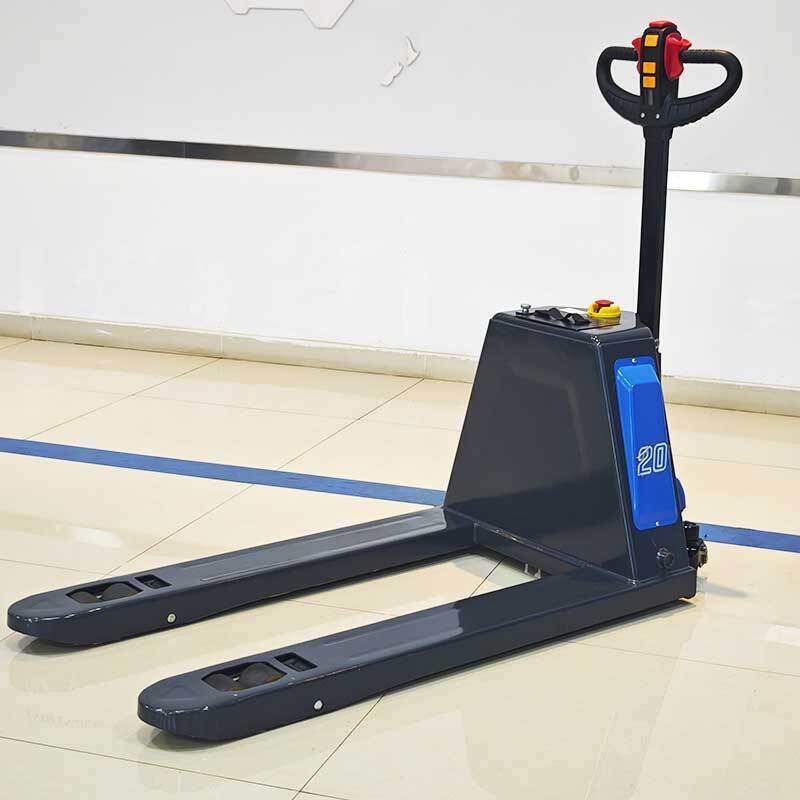
As Jian Shu New Energy, we focus on high quality BYD electric forklifts, and can provide customized charging solution consulting services for local industrial clients in Algiers. If you have related demand for electric stacker charging scheme design, you can send email to [email protected] for professional support.