
 简体中文
 Русский
 Français
 Português
 Español
 لالعربية


For warehouse, logistics and manufacturing operators based in Abuja, the transition to electric stackers has become a core step to reduce long-term material handling operating costs, but the unstable local public grid power supply makes generator-backed charging a common supplementary solution for many operation teams. A large number of local operators have not sorted out the full cost composition of this charging mode clearly, which easily leads to unexpected extra expenditure that erodes the profit of daily operations.
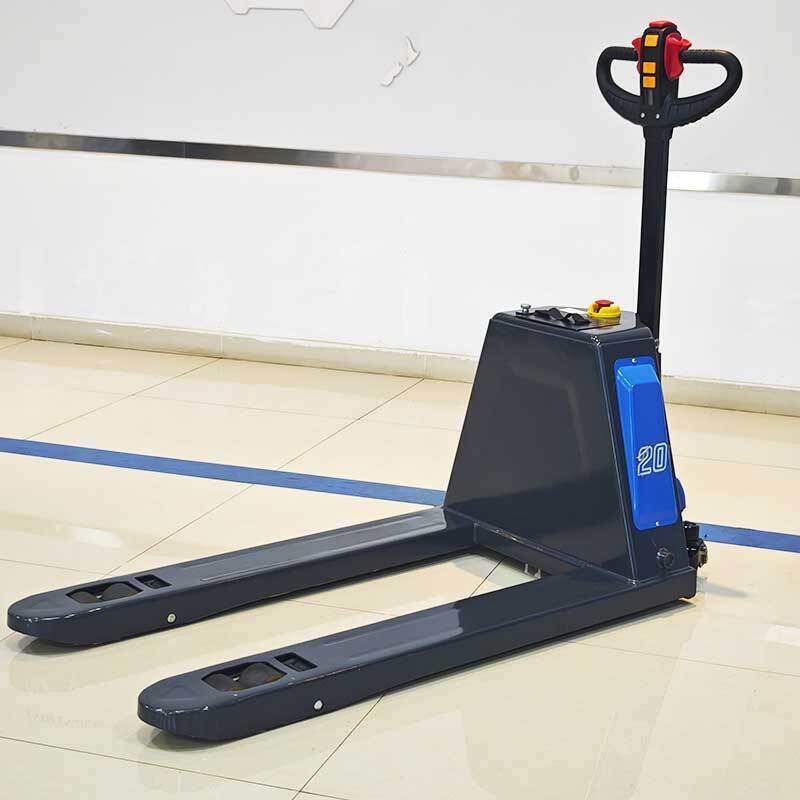
The first and largest proportion of direct cost comes from diesel consumption of the supporting power generator. According to actual operation data collected from multiple local operation scenarios in Abuja, a standard 2-ton electric stacker that needs 8 hours of continuous operation every day requires a generator with stable power output to support 6 to 7 hours of charging per day. The corresponding diesel consumption is about 12 to 18 liters per day, calculated based on the average local diesel price in 2024, the monthly fuel cost for a single stacker stays between 75,000 and 110,000 Nigerian Naira, which is significantly higher than the charging cost from stable public grid power.
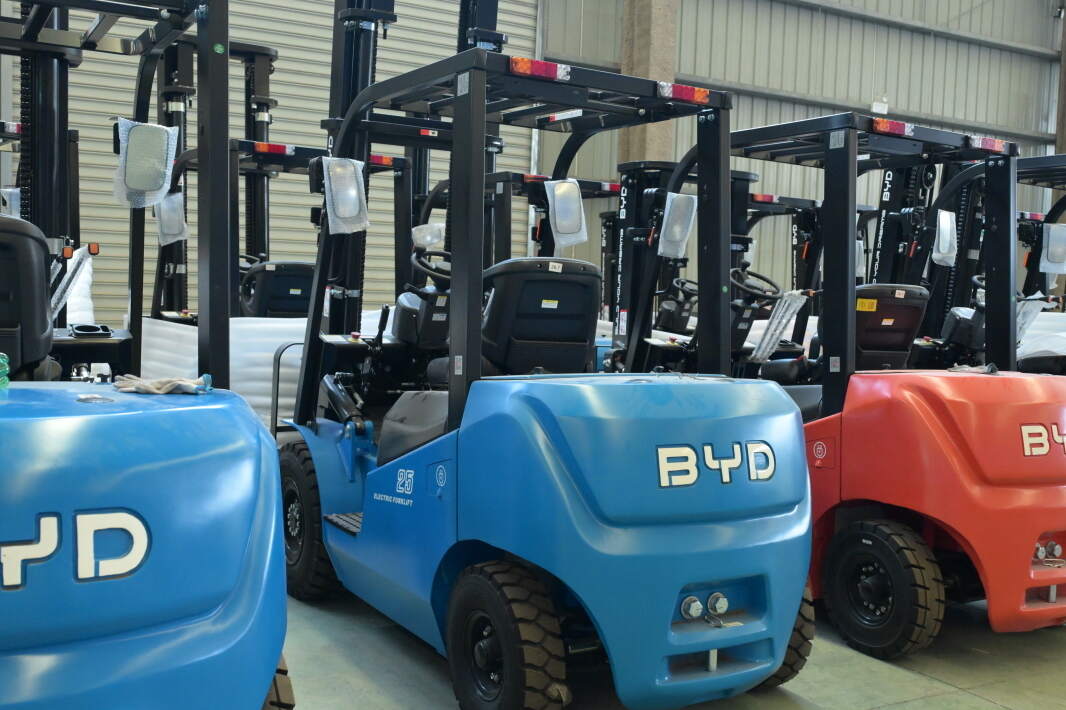
The second part of the cost is the hidden operation and maintenance expenditure that many operators easily ignore. Long-time continuous operation of the generator will produce regular wear and tear of core components, requiring monthly maintenance work including filter replacement, lubricating oil update and running condition check. Operators also need to arrange dedicated staff to watch the running status of the generator during charging to avoid safety hazards such as overload and fuel leakage. The corresponding labor cost and spare parts replacement cost will add another 15% to 22% extra expenditure on the basis of fuel cost. In addition, the extra environmental management fee stipulated by local regulatory provisions for non-grid power consumption should also be counted into the total operation cost.
To help local operators in Abuja get more reasonable operating cost control of electric material handling equipment, we at Jianshu New Energy, who focus on BYD electric forklift products, can provide customized charging solution matching suggestions for different operation scales, to help users reduce the dependence on generator-backed charging as much as possible, and cut the total comprehensive operating cost effectively. If you have related demand for electric stacker configuration or charging cost optimization, you can send your specific operation scenario description to [email protected] for professional targeted consultation.


