
 简体中文
 Русский
 Français
 Português
 Español
 لالعربية


For modern warehouse operation, electric forklifts undertake most of the heavy material handling work, and the supporting safety system is the core guarantee to avoid personnel injury, cargo damage and facility collision accidents. Many warehouse managers tend to ignore the matching degree between safety system and actual operation scenario when making procurement decisions, which may bring hidden safety hazards in daily use. The following parts sort out the key points that need to be focused on during the selection process.
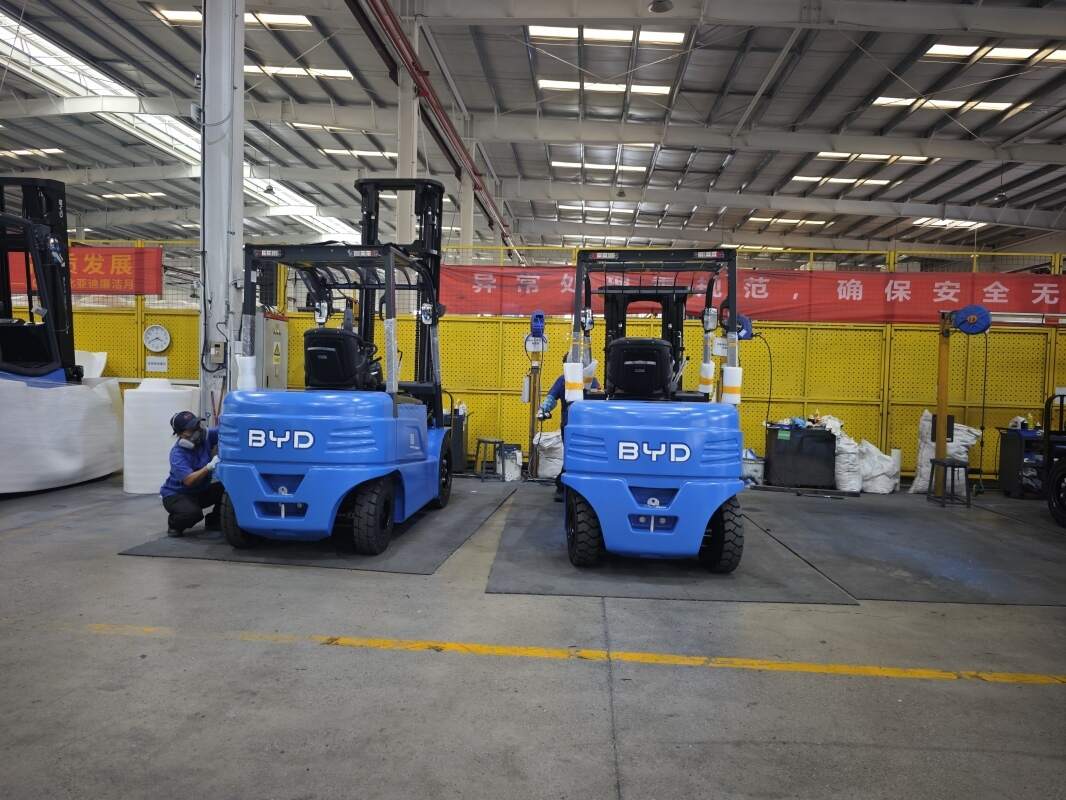
Prioritize scenario-matched functional demands
Different warehouses have totally different operation characteristics, so the universal safety system cannot meet all practical demands. For narrow-aisle warehouses with dense high-rise shelves, the core required functions include proximity warning for passing pedestrians, automatic speed limit in narrow passages, and anti-collision sensing modules for shelf racking. For warehouses that store heavy oversized cargos, overload protection and lifting height limit functions should be taken as core assessment indicators. For special storage scenarios such as low-temperature cold storage, the safety system with low temperature resistance and dustproof and waterproof performance is more suitable for long-term stable operation.
Pay attention to system compatibility and low lifecycle cost
When selecting the forklift safety system, you need to confirm its compatibility with the existing forklift power control system and the warehouse's existing warehouse management system first. The system that can realize data interconnection can help managers master the operation status of all forklifts on site in real time. In addition, you need to assess the comprehensive cost of the whole usage cycle, including the difficulty of daily calibration, the replacement cost of wearing parts, and the learning cost for on-site operation and maintenance personnel to master debugging skills. A safety system with easy operation and low later maintenance cost can bring more stable long-term value for warehouse operation.
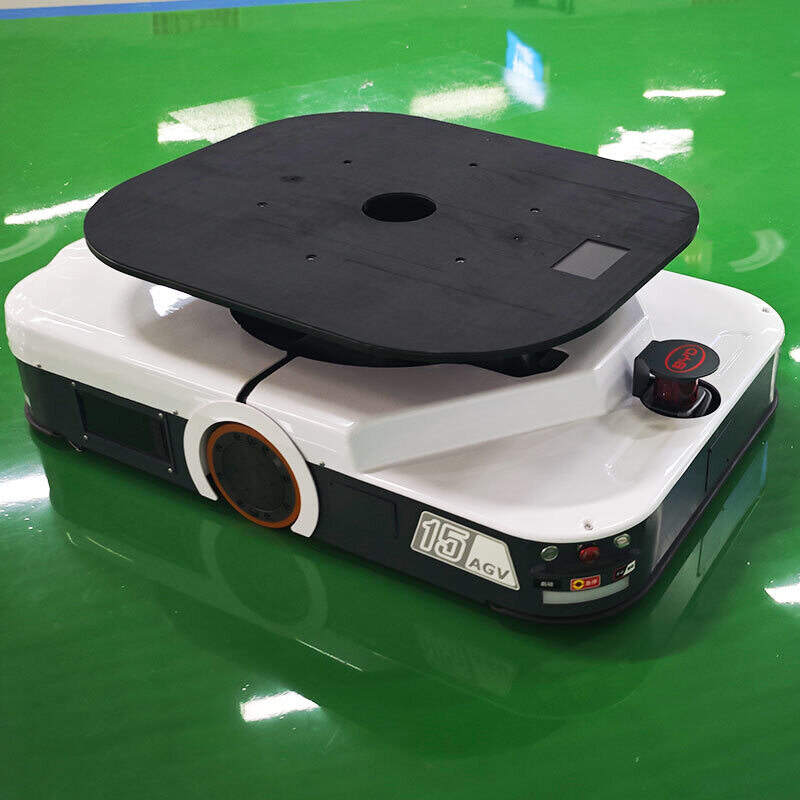
Check compliance and scalable performance
The selected safety system should meet the local industry safety specifications for industrial vehicle operation, with complete test records for all functional modules, to avoid unnecessary operation risks caused by non-compliance in subsequent safety audits. At the same time, it is recommended to select the safety system that supports subsequent function iteration and expansion. When the warehouse expands its operation scale or adjusts the handling scenario later, the system can realize new functions through software and firmware upgrade, without overall replacement, effectively reducing the secondary input cost.
As a professional supplier focusing on BYD electric forklifts, Jianshu New Energy can provide targeted safety system matching solutions for different types of warehouses. If you have related demands or consultation, you can contact us via email: [email protected].


