
 简体中文
 Русский
 Français
 Português
 Español
 لالعربية


For all enterprises that use BYD lithium forklifts for daily material handling operations, standardized routine maintenance inspection is a core step to extend equipment service life, reduce unexpected downtime, and ensure on-site operation safety. Unlike internal combustion forklifts, lithium-powered electric forklifts have unique structural characteristics that require targeted daily check work to cover all key parts properly.
First, operators need to complete pre-operation appearance and peripheral inspection before each shift starts. They should first check the outer shell of the forklift body for obvious deformation, crack or loose fasteners, confirm that the tire pressure meets the specified standard, and check the tire surface for serious wear, embedded hard sundries or crack damage. Then operators need to check all light sets, including headlamps, turn signals, brake lights and warning beacons, to confirm that all lights can work normally when switched on, and verify that the horn, emergency stop button and other safety protection devices can respond sensitively without lag.
The second core inspection item focuses on the lithium battery pack, which is the core power component of the BYD lithium forklift. Operators need to check the appearance of the battery pack first, confirm that there is no bulge, liquid leakage or obvious damage on the shell, check that all connecting wiring harnesses have no exposed copper core, serious aging or loose connection phenomenon. They also need to check the remaining power display of the battery through the on-board instrument, confirm that the current battery level is sufficient to support the planned operation of the shift, and clear the dust and sundries on the surface of the battery pack with dry soft cloth to keep the heat dissipation channel unobstructed. It is not allowed to flush the battery pack directly with high-pressure water to avoid safety risks.
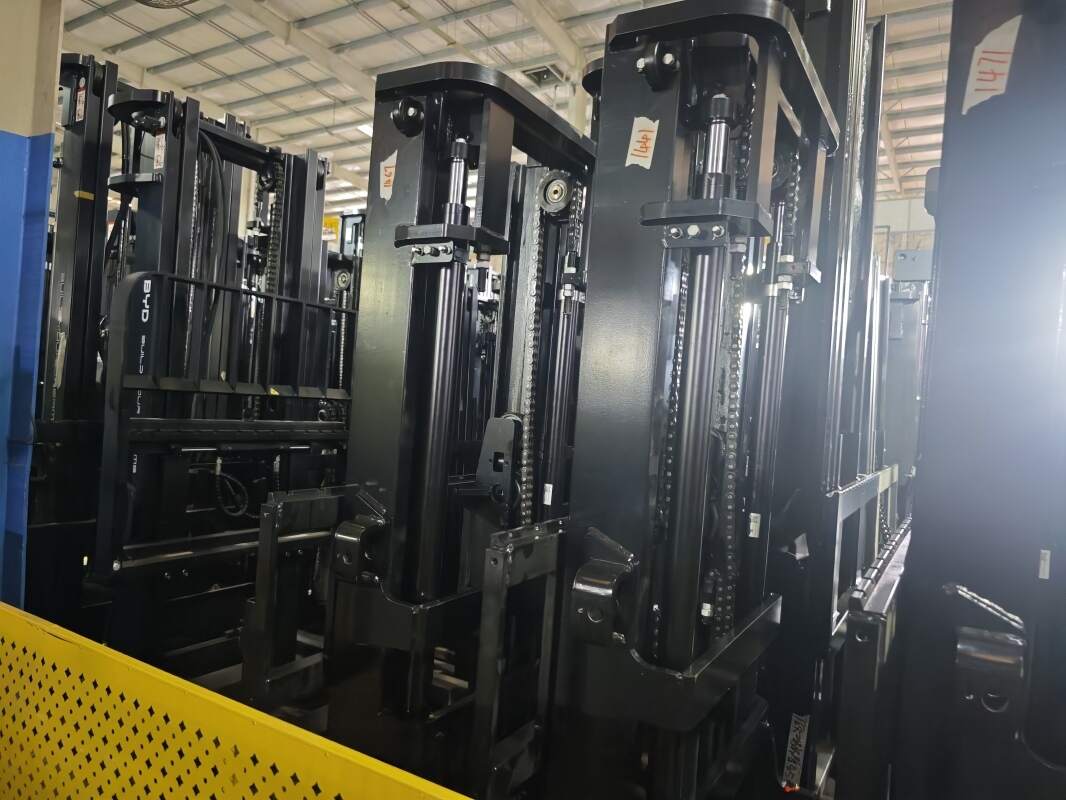
The third key inspection part covers the hydraulic system and operation components. Operators should start the vehicle at a no-load state, lift the fork to the maximum height slowly, check if there is obvious jitter or abnormal noise during the lifting process, confirm that the tilting function of the gantry is smooth, and check the sealing parts of the hydraulic oil cylinder and oil pipe for oil leakage phenomenon. They also need to test the brake performance at low speed, confirm that the braking distance meets the safety standard, the parking brake can lock the vehicle firmly on the slope, and the steering operation is flexible without obvious stuck situation.
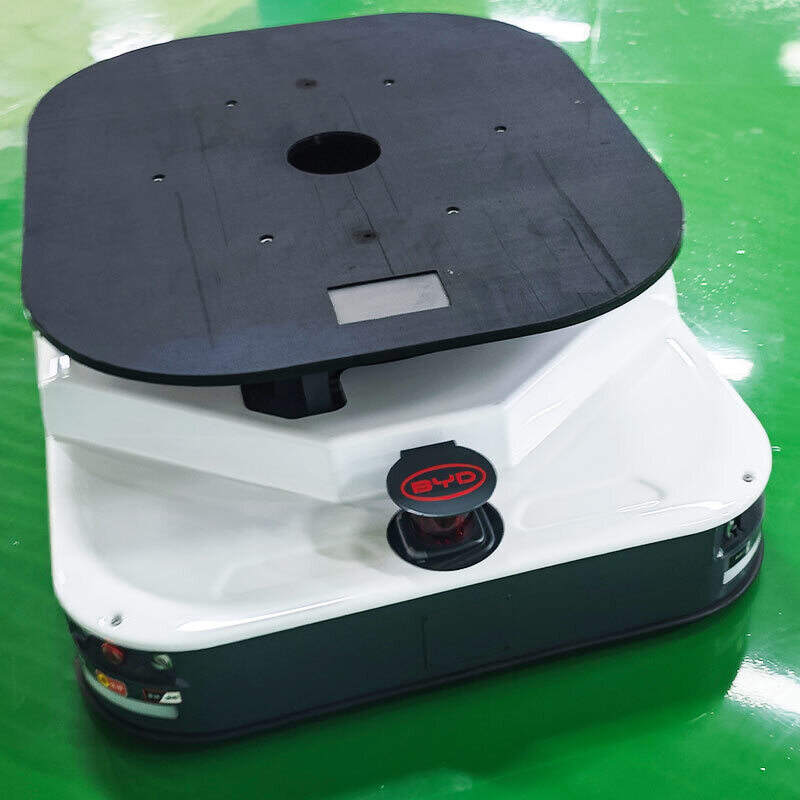
After the daily operation is finished, operators need to park the forklift at the specified designated position, lower the fork completely to the ground, turn off the whole vehicle power, and do a simple cleaning of the whole body to remove the cargo residue, dust and sundries attached to the vehicle surface. For weekly regular maintenance, maintenance personnel also need to check the tightening torque of all key fastening bolts, test the insulation performance of the whole vehicle circuit, and make a complete maintenance record for each inspection work to facilitate subsequent traceability.
Jianshu New Energy is a professional team that focuses on BYD electric forklift related services. If you have any demands for forklift maintenance consultation or related support, you can send email to [email protected] to get targeted professional reply.


