
 简体中文
 Русский
 Français
 Português
 Español
 لالعربية


As electric forklifts are widely applied in modern warehouse logistics scenarios, the scientific and standardized charging operation of forklift batteries directly affects the service life of core components, daily operation efficiency and on-site safety performance. Unregulated charging behaviors may cause extra battery wear, potential safety hazards and unnecessary operating cost increase, so it is necessary for all operation and management personnel to master clear and practical key points for battery charging.
First, carry out full pre-charging preparation checks before starting any charging process. Operators need to first check the appearance of the forklift battery, confirm there is no obvious crack, leakage, bulge or abnormal heating phenomenon on the shell, then verify the output parameters of the charging equipment fully match the rated parameters of the matching battery. The charging site should be kept well ventilated, away from flammable and combustible goods, high temperature heat sources and open fire areas, and no irrelevant sundries should be stacked around the charging area in advance.
Second, follow standard charging operation specifications in the whole charging process. It is not recommended to carry out frequent intermittent charging when the battery remaining power is still higher than 80%, which may lead to the increase of ineffective charge and discharge cycles and accelerate the attenuation of battery performance. It is also not suggested to keep using the forklift till the battery is almost completely exhausted. The optimal charging time point is when the remaining power drops to 20% to 30%. After the full charging process is completed, the power supply should be cut off in time to avoid long-term overcharging that causes extra loss of the battery. Do not pull out the charging plug forcibly in the middle of the charging process, and do not cover the battery or charging equipment with any heat insulation materials.
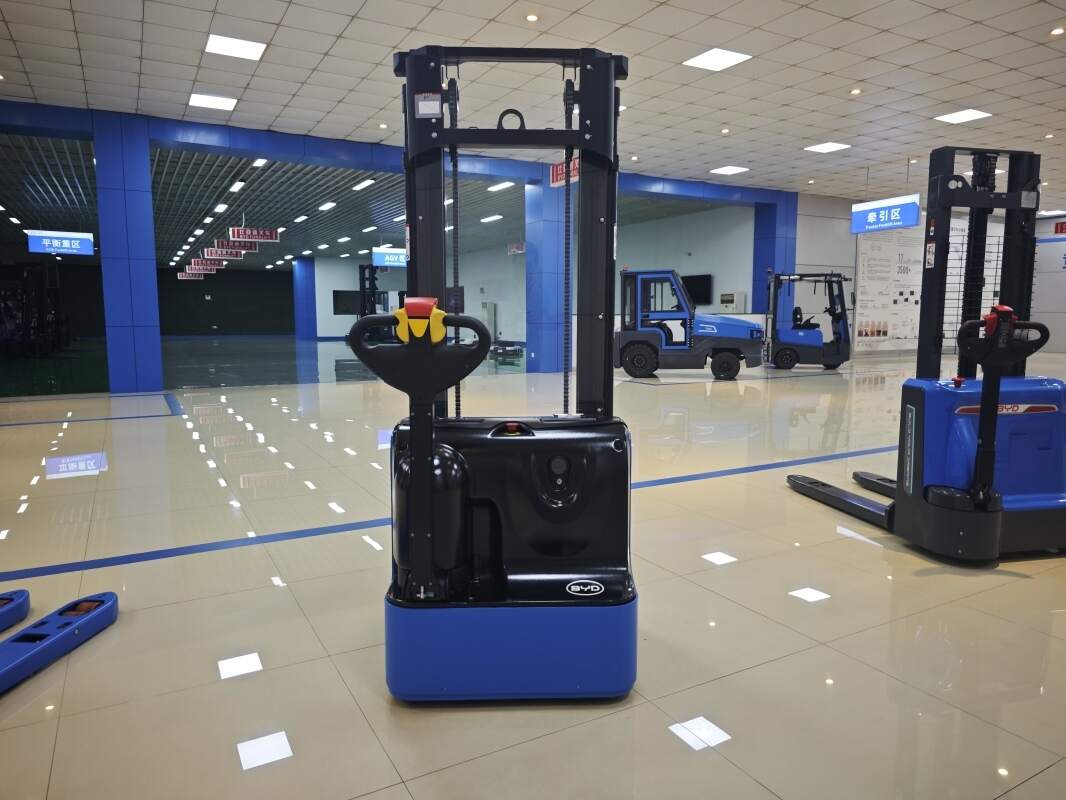
Third, attach importance to daily maintenance and hidden danger troubleshooting in usual work. Regularly clean the dust and sundries on the surface of the battery and the charging connection interface, keep the contact points dry and clean to avoid poor contact or short circuit risks. For forklifts that need to be idle for more than 10 days, the battery should be adjusted to 50% to 60% state of charge in advance, and supplementary charging should be arranged every 15 days to avoid over-discharge damage caused by long-term storage.
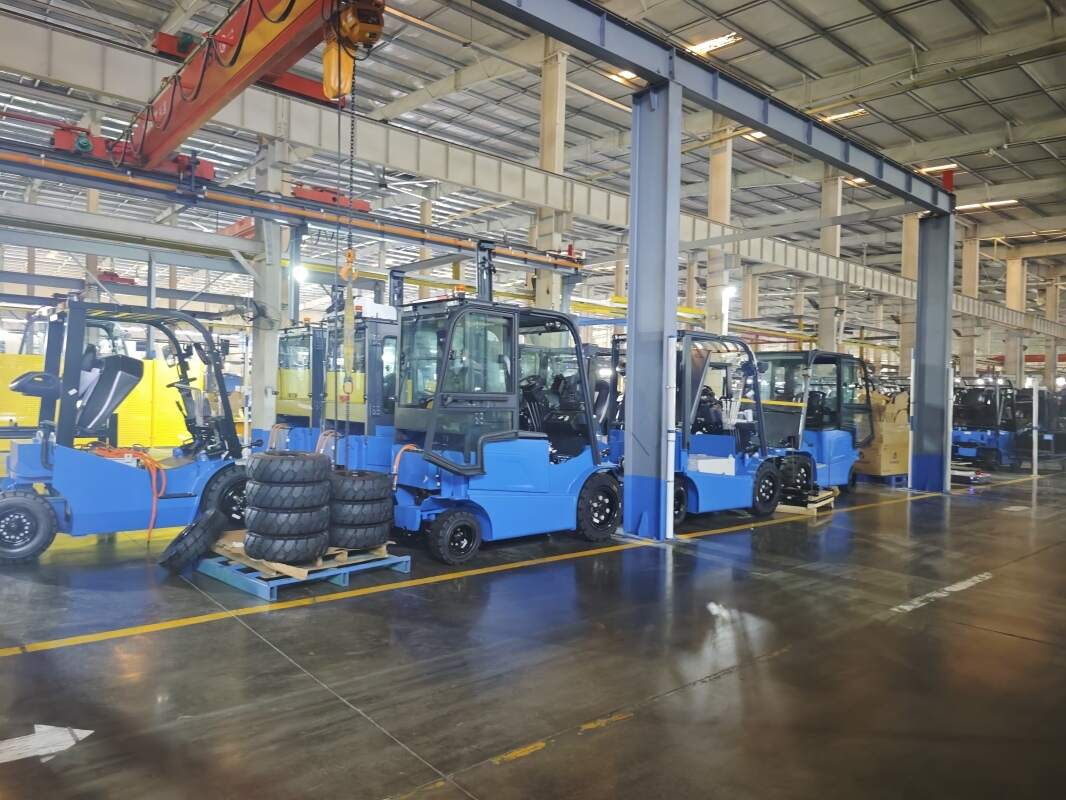
Jianshu New Energy, focusing on BYD electric forklifts, provides users with full-process battery use and operation guidance. If you have any relevant consultation demands, you can send emails to [email protected] for further professional support, to help you get more stable and efficient logistics operation experience.


