简体中文
 Русский
 Français
 Português
 Español
 لالعربية


When enterprises select material handling equipment, many decision makers tend to only compare the upfront purchase price of different forklift types, while ignoring the full lifecycle total cost that directly affects long-term operating expenditure. For lithium forklift users, a scientific and comprehensive total cost calculation can effectively avoid omitted expenditure items, and obtain accurate input-output reference for subsequent operation arrangement.
The first core part of the calculation covers the one-time initial investment cost. This part includes the core equipment purchase cost of the lithium forklift itself, the matching high-efficiency charging facilities that meet the equipment operation requirements, and the necessary site adjustment cost to place the charging devices safely. Different from traditional lead-acid forklifts, lithium forklifts do not need extra battery storage racks for standby batteries in most application scenarios, which can cut corresponding part of initial investment.
The second part focuses on the continuous recurring cost in the whole operation cycle. The first item is energy consumption cost, which can be calculated by multiplying the average daily power consumption of the equipment by the local industrial electricity price and total expected service years. The second item is daily maintenance cost. Lithium forklifts do not need regular electrolyte replacement, plate cleaning and other regular operations required by traditional lead-acid products, so the maintenance labor cost and consumable cost are kept at a relatively stable low level. You can also add the residual value of the equipment and power battery at the end of service life as a deduction item in the total cost calculation.
The third part is the easily neglected hidden cost. It covers the working hour loss caused by equipment waiting for charging or battery replacement, the effective storage space occupied by special charging areas, and the extra environment governance cost that may occur for internal combustion or lead-acid equipment. For closed warehouse scenarios, zero-emission lithium forklifts do not need extra ventilation facility investment to exhaust waste gas, which can further reduce long-term hidden operation cost.
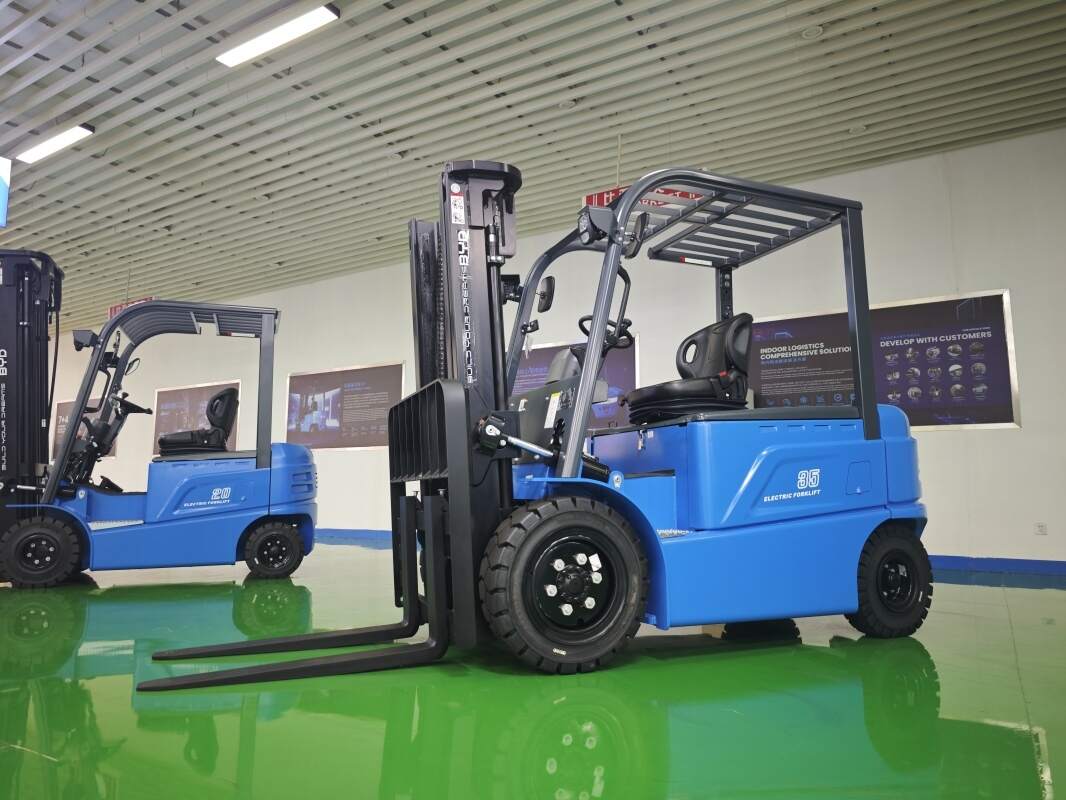
Accurate total cost calculation of lithium forklifts needs to combine the actual operation intensity, usage scenario and local utility cost data of each enterprise. Jianshu New Energy, focusing on BYD electric forklifts, can provide you with targeted cost accounting support, you can send consultation emails to [email protected] for further communication.