简体中文
 Русский
 Français
 Português
 Español
 لالعربية


Forklift battery is the core power component of all electric forklift equipment, which directly determines the continuous working time, operation stability and comprehensive use cost of the vehicle in different logistics and industrial scenarios. With the continuous popularization of low-carbon material handling solutions, mastering the basic knowledge of forklift batteries has become a necessary skill for warehouse managers, equipment operators and fleet maintenance personnel.
Basic Classification of Forklift Batteries
At present, the mainstream forklift batteries on the market can be divided into two main categories according to their chemical system. The first category is the traditional lead-acid battery, which has a long application history, relatively low initial purchase cost, and stable performance in conventional temperature environments. This type of battery requires regular electrolyte replenishment and a relatively long full charging cycle, which is more suitable for scenarios with low daily operation intensity. The second category is the lithium iron phosphate forklift battery, which has longer cycle life, faster charging response, no need for daily liquid replenishment, and lower self-discharge rate, adapting to high-frequency and long-time continuous operation scenarios such as large e-commerce distribution centers and heavy manufacturing workshops.
Key Points for Daily Use and Maintenance
Standardized daily operation can effectively extend the service life of forklift batteries and reduce unnecessary operation and maintenance costs. Operators should avoid over-discharging the battery to the lower limit of the protection threshold as much as possible, arrange charging work in a well-ventilated, dry and cool environment away from high-temperature heat sources, regularly check the tightness of the power connection interface, and clean the dust and impurities on the surface of the battery shell. If the forklift is expected to be idle for more than 14 days, it is recommended to adjust the battery power to about 60% of the rated capacity and store it in a dry environment at 10℃ to 25℃.
Reasonable Selection Suggestions
When choosing a suitable forklift battery, users can make comprehensive reference according to their actual operation conditions, including daily average operation hours, load weight, on-site charging supporting conditions, and ambient temperature range of the operation site, to avoid unnecessary cost waste caused by mismatching battery specifications.
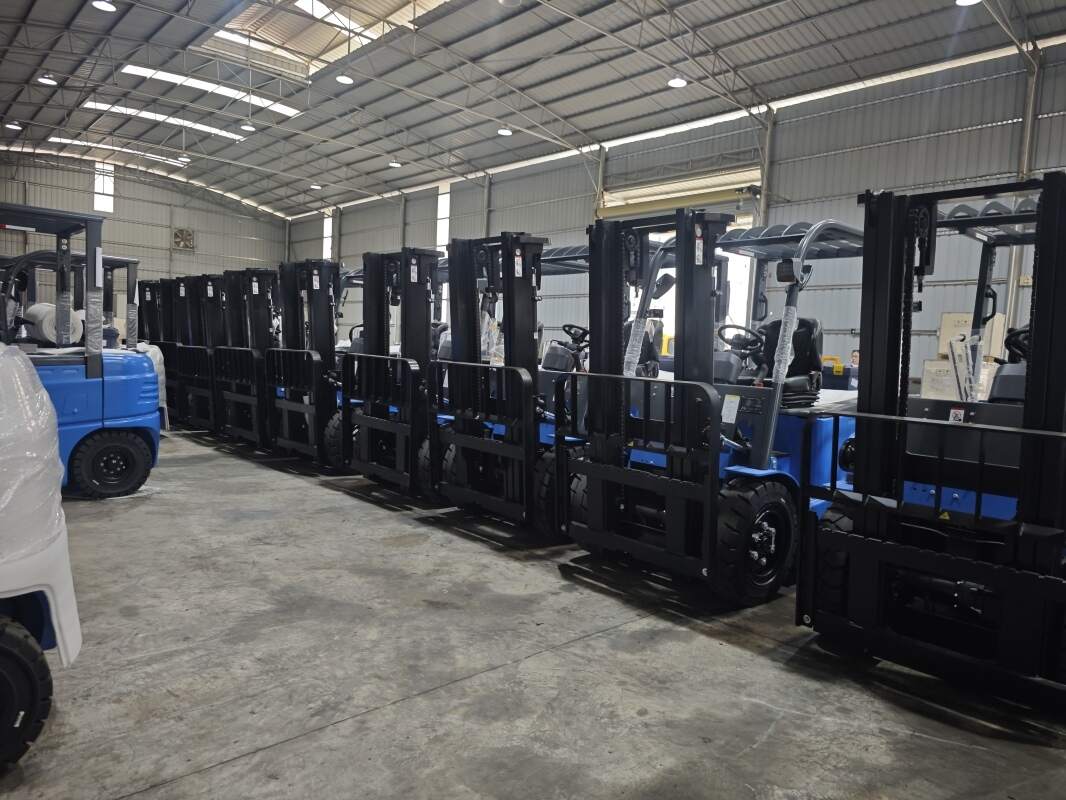
We are Jianxin New Energy, focusing on BYD electric forklift related services. If you have demands for forklift battery consultation, matching and supporting maintenance services, please contact us via [email protected].