简体中文
 Русский
 Français
 Português
 Español
 لالعربية


Basic Overview of Counterbalance Forklifts
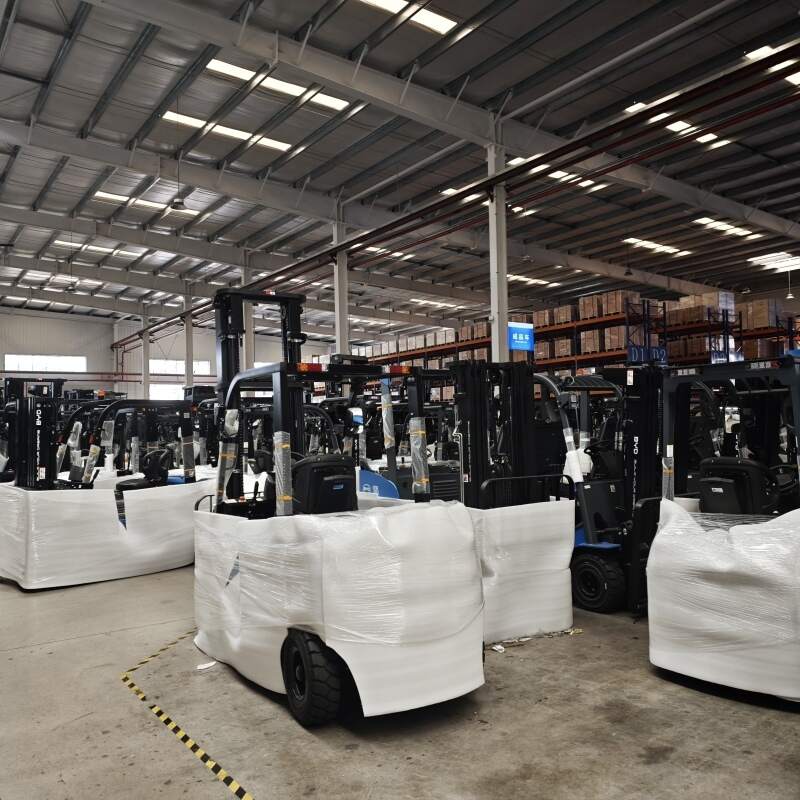
Counterbalance forklift is one of the most widely used material handling equipment in industrial scenarios. With the counterweight design arranged at the rear of the vehicle body, it can offset the weight of the loaded goods at the front end, eliminating the need for extra supporting outriggers during operation. This structural feature allows the equipment to move and turn flexibly in limited working space, and adapt to multiple scenarios including indoor warehouse cargo stacking, outdoor station cargo transfer, manufacturing line material distribution and cold chain storage operations. The electric-powered counterbalance forklift features zero local emission, low operation noise and stable output performance, which can meet the usage requirements of scenarios with strict environmental requirements such as food processing, pharmaceutical production and closed storage areas.
Standard Operation Essentials
Before starting the equipment every time, operators need to complete the pre-check work first, including confirming the remaining battery level, testing the flexibility of brake and steering system, checking the wear condition of forks and the sealing performance of hydraulic pipeline. During the operation process, operators should follow the rated load limit specified on the nameplate, and avoid overloading for long time to prevent unexpected tilt of the vehicle body. When driving on flat road, keep the lifting height of the forks within 20cm to 30cm above the ground, and slow down in advance when turning or passing the aisle with obstacles. No irrelevant personnel are allowed to stand or walk under the lifting forks during the whole operation process, to avoid potential safety risks.
Practical Daily Maintenance Tips
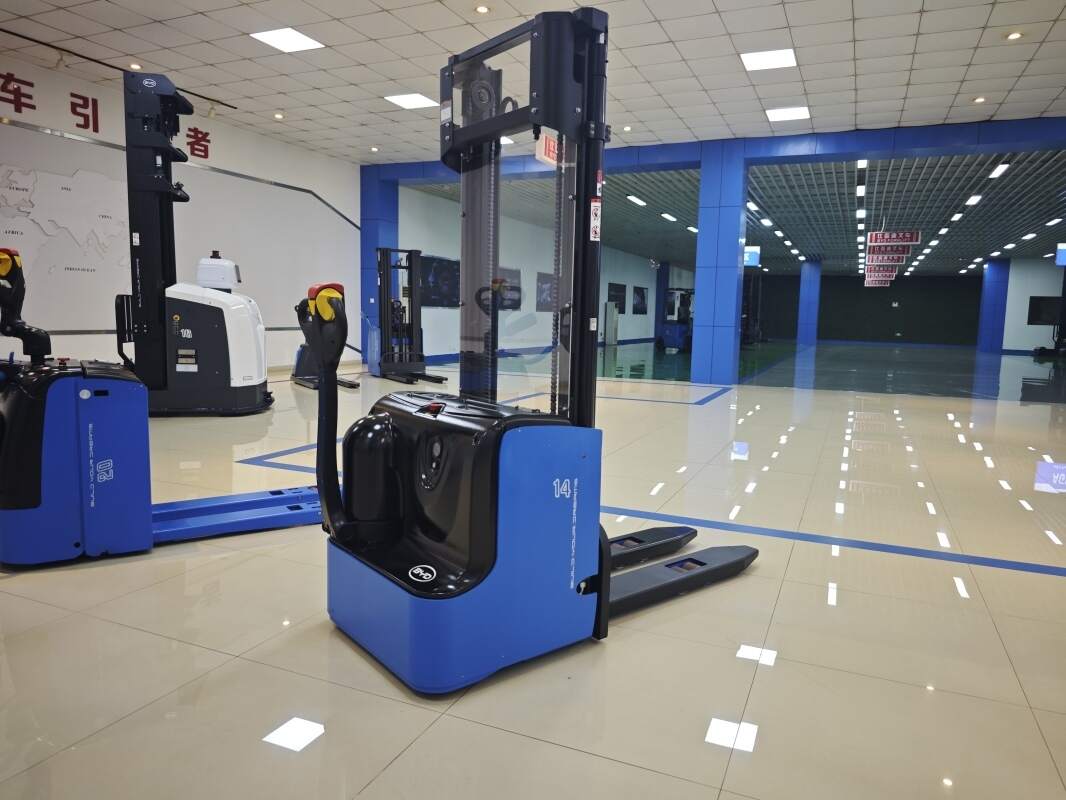
Good daily maintenance can effectively extend the service life of counterbalance forklift, and reduce unexpected downtime in daily work. For electric counterbalance forklift, it is recommended to avoid draining the battery power completely before charging, and arrange charging operation in a cool and ventilated environment to prevent overheating of the battery pack. Operators need to check the fastening state of rear counterweight regularly, and clean the dust and debris accumulated around the motor and heat dissipation structure every week. For equipment that is not used for more than 7 consecutive days, supplementary charging is required every two weeks to keep the battery activity at a normal level.
We are Jianxin New Energy, focusing on providing reliable BYD electric forklift products and related supporting services. If you have any demand for product consultation or usage scheme customization, please contact us via [email protected].