简体中文
 Русский
 Français
 Português
 Español
 لالعربية


4-wheel electric forklift has become one of the most common material handling equipment for indoor warehouses, manufacturing workshops and outdoor loading and unloading yards, with advantages of low operating noise, zero tail gas emission and stable load-bearing performance. This practical guide provides systematic references for operators and equipment managers to use the device properly.
First of all, it is necessary to clarify the basic operation specifications before formal use. Operators need to receive standardized operation training in advance, and check the braking system, steering flexibility, power status and lifting function of the forks before each shift. During the operation process, pay close attention to the surrounding pedestrians and ground obstacles in the working area, do not overload the goods beyond the rated load, keep low speed when driving on the ramp, and do not turn sharply on the ramp to avoid safety risks.
Then, daily maintenance work can effectively extend the service life of the equipment. After each operation, park the forklift in the designated parking area, turn off the power supply and lower the forks to the lowest position. Check the connection state of the power battery contacts regularly, do not over discharge the battery pack during daily use, and arrange charging in time when the remaining power reaches the set reminder value. Check the tire wear condition regularly, and replace the accessories in time when the wear degree reaches the specified standard to ensure driving stability. When selecting models, enterprises can choose products with appropriate parameters according to their actual load demand, working channel width and maximum climbing gradient.
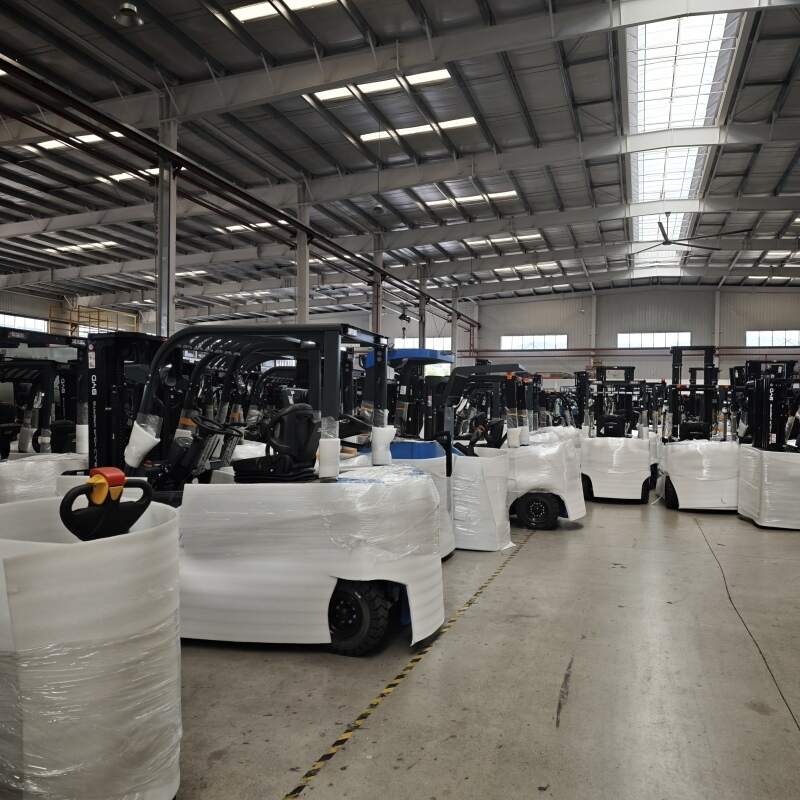
Jianshu New Energy focuses on BYD electric forklifts, and can provide targeted supporting solutions for different material handling scenarios. If you have relevant demand or consultation, you can send an email to [email protected] to get professional reply.