
 简体中文
 Русский
 Français
 Português
 Español
 لالعربية


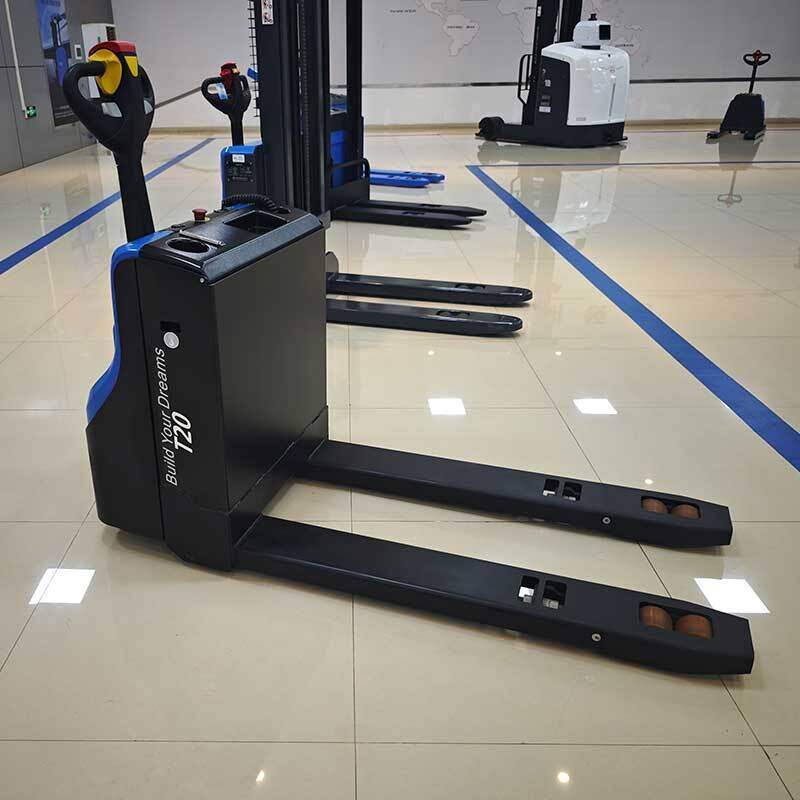
In recent years, electric forklifts have been widely adopted in various industrial scenarios including warehouses, manufacturing plants and distribution centers, for their low noise, zero local emission and relatively gentle operation characteristics. Many frontline operators and logistics managers lack systematic, practical guidance for daily usage and long-term management, which may lead to unnecessary equipment wear, increased operation cost and restricted work efficiency. The following content sorts out core practical points for electric forklift application from multiple dimensions.
Core Daily Operation Specifications
Before starting each shift, operators need to complete a full pre-check on the whole equipment, including the sensitivity of braking system, remaining battery level, surface abrasion of forks, and the flexibility of steering and lifting mechanism. During operation, users should avoid overloading beyond the rated load capacity, and keep stable driving speed on uneven ground or slope sections, to prevent sudden brake or sharp turn that may cause cargo falling or extra consumption of power components. It is also not advised to place extra irrelevant items on the operation platform, to avoid interference with normal operation movements.
Routine Maintenance Guidelines for Long-term Stable Operation
Reasonable regular maintenance can effectively extend the service life of electric forklifts and reduce unexpected downtime. For the core power battery component, operators should avoid full discharge before charging, and keep the charging process in a dry, ventilated environment within the suitable temperature range. Users need to clean up the dust, debris and residual cargo scraps on the vehicle body and ventilation openings regularly, check for potential leakage of the hydraulic lifting system, and add proper lubrication oil for all movable connection parts on schedule. Regular inspection of circuit connectors can effectively avoid hidden dangers caused by loose connection or damp corrosion.
Practical Tips for Performance Optimization and Efficiency Promotion
To give full play to the performance of electric forklifts, teams can make corresponding adjustments according to actual operation scenarios. For high-frequency continuous operation work, managers can arrange reasonable shift handover and charging intervals, to avoid long-time overloading of the motor. Optimizing the internal cargo placement and driving path can effectively reduce unnecessary empty driving mileage, so as to cut down overall power consumption. Users can also select suitable matching protection accessories according to the ambient temperature of the work site, to keep the equipment running in stable status for a long time. Following the above points can help enterprises make better use of the advantages of electric forklifts, reduce comprehensive operation cost, and support the stable and efficient operation of the whole industrial material handling system.


