简体中文
 Русский
 Français
 Português
 Español
 لالعربية


When you operate a facility that relies on electric forklifts for daily material handling, integrating dedicated battery changing equipment into your workflow can effectively reduce unnecessary downtime and streamline your entire operation. Unlike traditional charging modes that require long waiting periods for forklifts to stay parked next to charging piles, properly deployed battery changing stations allow your on-site team to swap out depleted forklift batteries for fully charged units in just a few minutes, eliminating long interruptions to your material handling schedule.
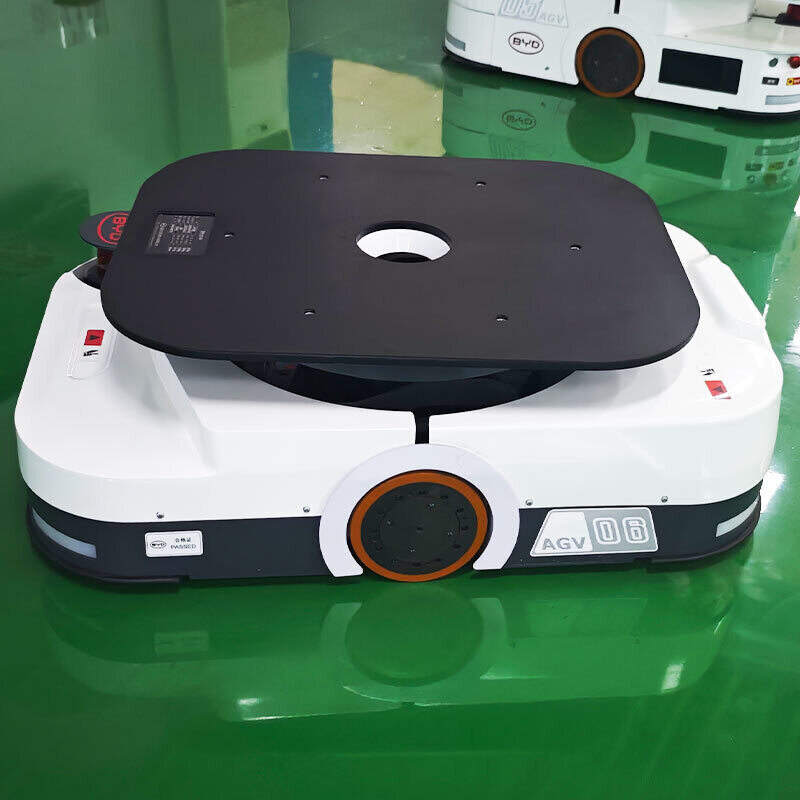
First, complete proper pre-operation preparation before any staff use the battery changing equipment. All personnel assigned to handle battery swap tasks must complete standardized systematic training first, to get familiar with the equipment’s load limits, safety interlock settings, and correct operating gestures. Before each use, operators should check that the equipment’s moving tracks, lifting arms and power supply connection points are free of debris, abnormal wear or exposed wiring, and confirm that the 1.5-meter operating zone around the station has no stray tools, passing pedestrians or stacked goods that could block normal movement.
Second, follow standardized operating steps strictly during the battery swap process. First, drive the electric forklift to the designated docking area beside the battery changing station, apply the handbrake, turn off the vehicle’s power system, and confirm the battery lock on the forklift body is fully released. Start the battery changing equipment’s low-speed movement program, align the equipment’s fixture with the depleted battery on the forklift, make sure the fixture is firmly locked on the battery’s designated stress-bearing points, then slowly lift and move the depleted battery to the corresponding vacant storage slot in the charging rack. After that, repeat the alignment operation to take a fully charged battery from the rack, move it steadily to the forklift’s battery compartment, confirm the battery is fully seated and the vehicle’s power connection points are properly linked, then lock the forklift’s battery fixing mechanism before restarting the vehicle for normal operation.
Third, arrange regular routine maintenance for both the battery changing equipment and matched electric forklift batteries. Wipe away any accumulated dust, residual electrolyte or water stains on the equipment surface after each shift, check the lubrication status of all moving parts every week, and arrange professional full safety inspections once a month to eliminate potential hidden risks in advance.
尖树新能源,专注比亚迪电动叉车,如需获取更详细的换电设备配套指引,可发送邮件至[email protected]联系我们。