
 简体中文
 Русский
 Français
 Português
 Español
 لالعربية


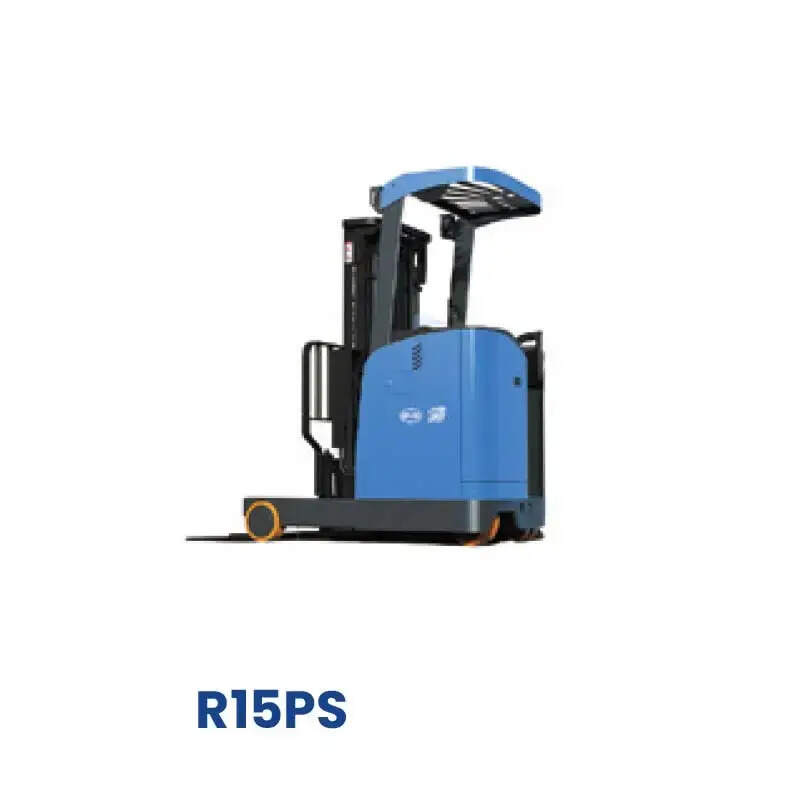
As low-carbon logistics development accelerates, electric forklifts have become one of the most widely used material handling equipment in modern warehouses, manufacturing workshops and distribution centers. Mastering systematic operation and maintenance knowledge can help enterprises give full play to the advantages of such equipment, reduce unnecessary operating costs and avoid potential safety risks in daily work.
Core Operation Specifications for Electric Forklifts
Before starting the equipment each time, operators need to complete a full pre-inspection, including checking the remaining power of the power system, the flexibility of the braking and steering structure, and the normal operation of the lighting and warning devices. During the driving process, operators should keep a stable driving speed according to the on-site road conditions, avoid sudden acceleration or emergency braking, and keep a safe distance from surrounding personnel, goods and shelf structures. When carrying goods, the center of gravity of the goods should be kept within the allowable load range of the equipment, and overloading or unbalanced stacking should not be carried out to avoid tipping risks.
Routine Maintenance Guidelines to Extend Service Life
Daily maintenance of electric forklifts mainly focuses on the power system, walking structure and hydraulic parts. For the power system, staff should follow the standard charging specifications, avoid over-discharging the power core for a long time, and clean the dust and sundries on the surface of the power assembly regularly to ensure good heat dissipation effect. The transmission and walking parts need to be checked regularly for wear and lubrication, and the sundries stuck in the wheel gap should be removed in time. The hydraulic system should check the oil level and sealing state regularly, and replace the hydraulic oil according to the specified cycle to avoid unstable lifting of the gantry structure.
Practical Methods to Optimize Operating Performance
To maximize the use efficiency of electric forklifts, enterprises can adjust the matching of equipment parameters according to the actual working scenarios, such as setting appropriate driving speed limits for narrow channel warehouses to reduce collision risks. Reasonably arrange the use and charging schedule of multiple devices to avoid concentrated peak charging that affects the power supply stability of the whole facility. Regularly carry out skill training for operators, so that they can master the energy-saving operation skills of smooth acceleration and reasonable path planning, which can effectively reduce energy consumption and improve the single-shift operation efficiency.


