
 简体中文
 Русский
 Français
 Português
 Español
 لالعربية


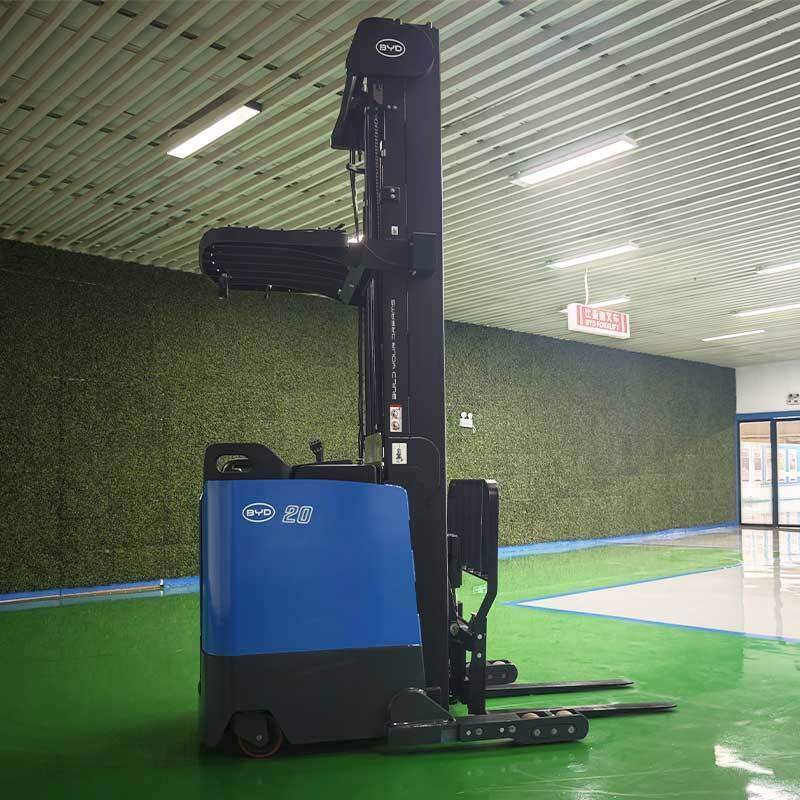
As low-carbon logistics development accelerates across various industrial sectors, electric forklifts have become one of the most widely applied material handling equipment for warehousing, manufacturing yards and distribution centers in recent years. This systematic guide covers core practical knowledge for both new and experienced operators to grasp correct usage rules, extend equipment service life and lower overall operation cost reasonably.
Core Pre-operation Check Specifications
Before starting any electric forklift, operators need to complete a series of standardized checks to eliminate potential hidden risks in advance. First, confirm the remaining battery power level is sufficient for the expected working hours of the shift, and check the cable connection points for no loose or worn traces. Next, test the flexibility of the lifting mechanism, steering system and brake components, to make sure there is no abnormal lag or unresponsive situation during manipulation. Operators also need to check the surrounding working area for obstacles, steep slopes or soft ground that may affect the stability of the vehicle before moving the equipment.
Daily Routine Maintenance Practices
Reasonable regular maintenance can effectively extend the service life of electric forklifts, and reduce unexpected downtime that disrupts normal operation arrangement. For the power battery part, operators should avoid full discharge before recharging, and follow the official recommended charging temperature range to keep the battery performance in stable good condition. The body surface and walking components need to be cleared of accumulated dust, spilled cargo residues and sundries every working day, to prevent foreign matters from affecting the normal operation of transmission parts. After a certain cumulative period of use, professional personnel will conduct targeted inspection on the electrical control system, lubricate the movable connection points, and replace the severely worn wearing parts in time to avoid malfunctions.
Safe Operation and Efficiency Improvement Tips
Following standardized operation rules not only reduces safety accidents, but also improves the overall working efficiency of material handling. Operators should control the driving speed properly according to the site condition, avoid sharp turning or sudden braking when carrying heavy loads, and keep the cargo at a proper low height when moving to avoid falling risks. When the equipment is not in use, it should be parked at the designated safe area, the lifting fork should be lowered to the ground level, the power supply should be cut off completely, and the hand brake should be pulled tight. For different working scenarios, operators can adjust the operation mode properly to match the load weight, so as to reduce unnecessary power consumption and get longer continuous working time under the same battery capacity.


