
 简体中文
 Русский
 Français
 Português
 Español
 لالعربية


Against the backdrop of continuously rising warehouse space costs, more and more logistics operation teams are looking for material handling solutions that can improve storage density without large-scale site transformation, and articulated counterbalance trucks are one of the most cost-effective options in this field.
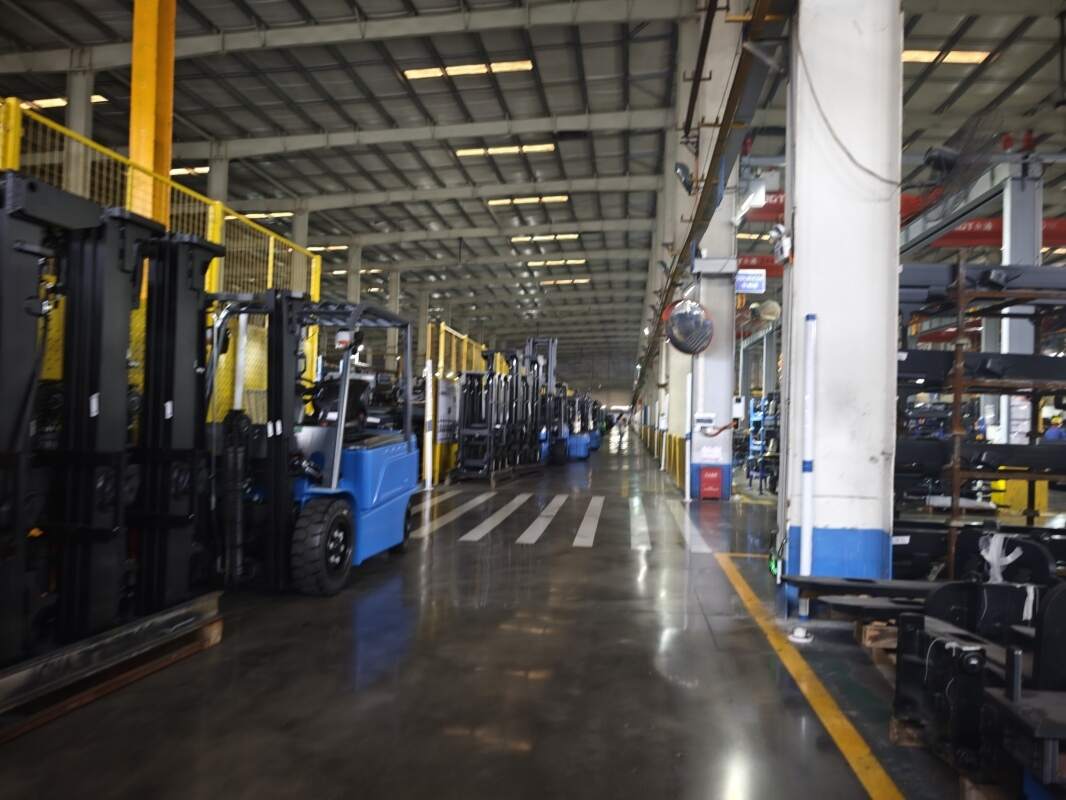
As a specialized segmented product of counterbalance forklift series, the most prominent structural feature of articulated counterbalance trucks is the active articulated joint installed between the front mast carrying part and the rear vehicle body. Different from the steering logic of traditional counterbalance forklifts that rely on the whole body to turn, this structure allows the front loading part to swing within a certain safe angle relative to the rear body during the steering process, which greatly reduces the minimum aisle width required for equipment to complete the full pallet stacking and fetching operation.
Traditional standard counterbalance forklifts usually require an operation aisle of more than 3.2 meters to complete normal stacking work, while qualified articulated counterbalance trucks can stably complete the same operation in an aisle of about 2 meters. Under the condition of keeping the original warehouse layout unchanged, the number of available storage positions can be increased by more than 30% on average, which effectively improves the utilization rate of existing space. In terms of operation experience, the special steering structure reduces the times of repeated adjustment of body position for drivers, shortens the alignment time of pallet access, and also reduces the risk of accidental collision with shelf supports during operation, thus reducing unnecessary operation loss.
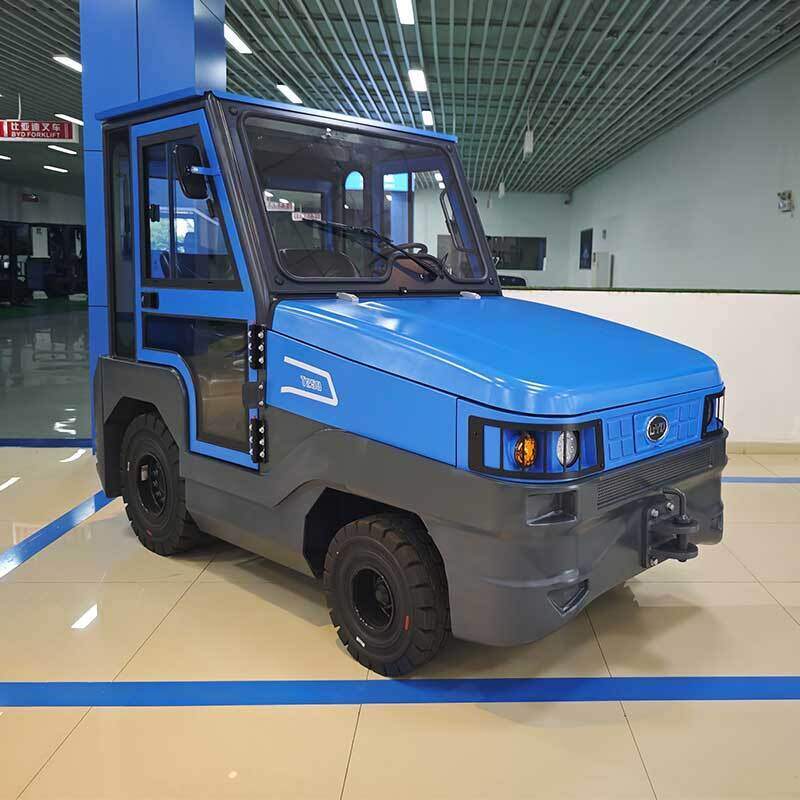
As Jianshu New Energy, which focuses on BYD electric forklifts, we recommend customers to choose new energy electric articulated counterbalance trucks that match their actual working conditions. This type of product has no exhaust emission, low operation noise, and can adapt to long-hour multi-shift operation requirements in indoor closed storage scenes, which is fully in line with the current green and low-carbon operation standards of the logistics industry. It can also be applied to multiple scenarios including finished product turnover in manufacturing workshops, bulk goods handling in supermarket backyards, and low-temperature operation in cold chain warehouses.
For the daily use of articulated counterbalance trucks, operators need to receive formal operation training, regularly check the lubrication state and firmness of the articulated joint parts, and strictly follow the operation specifications to control the load weight and lifting height within the rated range, so as to ensure the safety and stability of the whole operation process. If you have relevant equipment selection and matching demands, you can send an email to [email protected], and our professional technical team will provide you with targeted solution suggestions according to your actual site conditions.


