
 简体中文
简体中文 Русский
 Français
 Português
 Español
 لالعربية

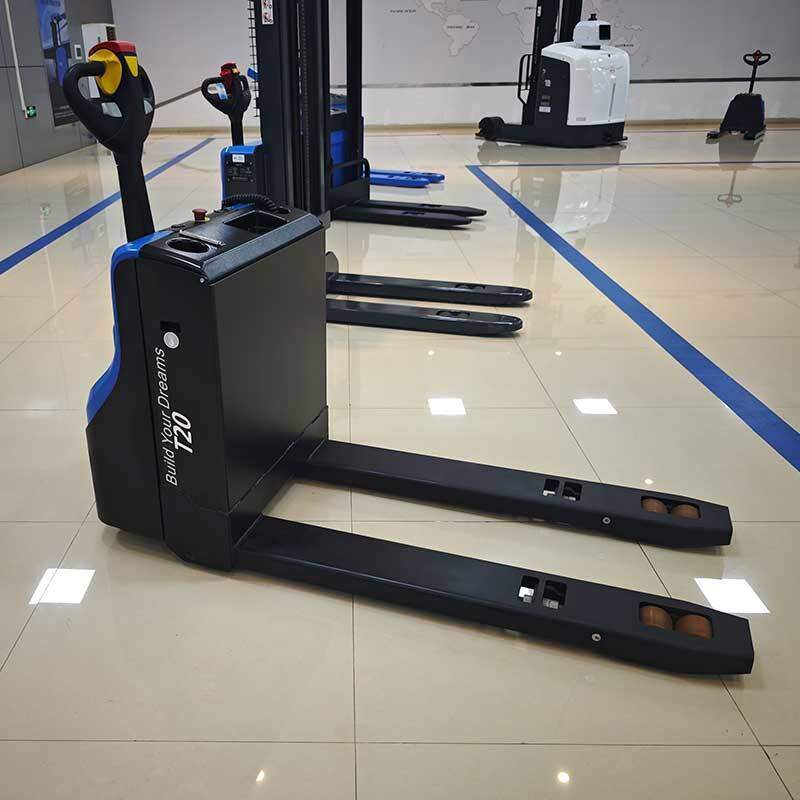
First, it is necessary to clarify the basic definition of rated load for lithium-ion forklifts. The rated load is a benchmark parameter set according to general industrial safety specifications under standard test conditions, where the mast stays at the minimum lifting height, the load gravity center strictly matches the specified standard load center distance, and the vehicle is parked on flat, solid ground. This value is marked clearly on the nameplate of each unit, as a basic reference for routine low-lifting material handling tasks.
However, for forklifts installed with high-elevation mast setups that are commonly used for high-rack warehouse storage operations, the actual usable load will not stay consistent with the marked rated load when the mast extends to a high lifting height. As the mast rises, the overall center of gravity of the whole vehicle and the loaded cargo will shift outward and upward, the cantilever moment of the mast structure will increase correspondingly, and the counterweight moment formed by the main body of the forklift can no longer support the full rated load safely. Even though lithium-ion powertrains deliver stable power output during the whole lifting process, the change of structural moment is an objective mechanical feature that all users need to take into full consideration.
Multiple factors will lead to the difference between rated load and actual usable load for high-elevation mast lithium-ion forklifts. The first key factor is the specific lifting height value. The actual maximum allowable load will drop gradually with the increase of lifting height, and the corresponding load data for different height sections can be referred to the official load indication curve provided by relevant regulations. The second factor is the actual position of the cargo gravity center. If the real center of the cargo exceeds the standard load center distance specified on the nameplate, the actual usable load will be further reduced even at the same lifting height. The third factor is the layout of the lithium-ion battery assembly, which may bring slight difference to the overall counterweight distribution compared with other power types of forklifts, thus influencing the actual load bearing performance under high lifting conditions.
For frontline operation teams, several practical measures can help make proper use of the load capacity of high-elevation mast lithium-ion forklifts. Operators shall not arrange over-limit cargo for high-position access simply according to the rated load value on the nameplate, and it is suggested to confirm the corresponding allowable load at the target lifting height in advance. Before carrying out formal high-lifting tasks, users can lift the cargo to a low height first to check the operation stability, and then raise the mast slowly at a stable speed. Regular maintenance work for mast chains, rollers and load bearing components also helps maintain stable load bearing performance, avoiding unexpected load capacity drop caused by component wear. Correct understanding of the difference between rated load and actual usable load helps reduce operation risks, extend the service life of equipment, and create safer and more efficient material handling working conditions.


