
 简体中文
 Русский
 Français
 Português
 Español
 لالعربية


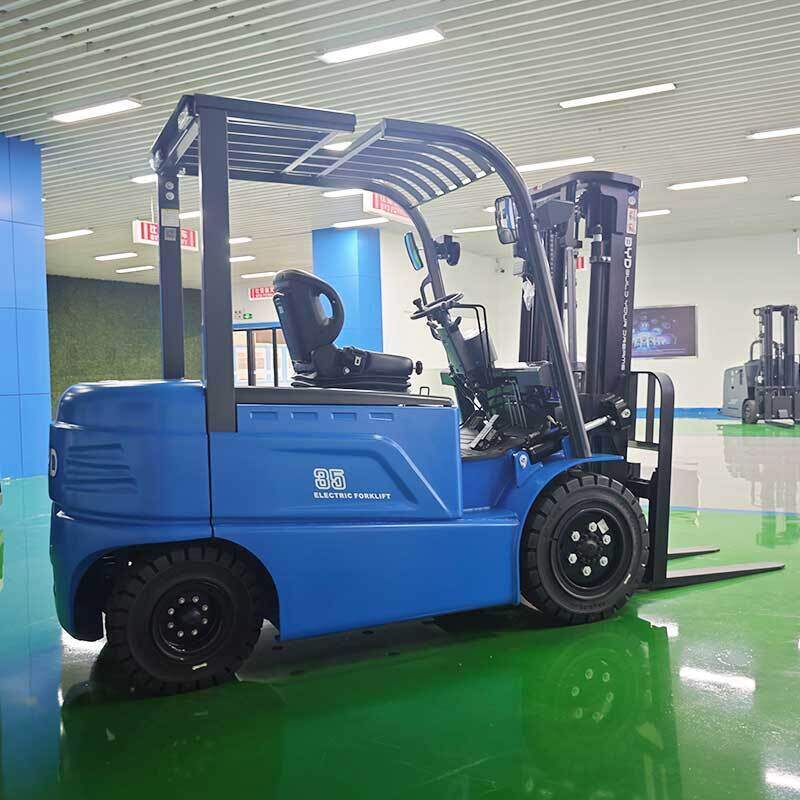
As the logistics industry accelerates low-carbon transformation, electric forklifts have become one of the most widely adopted material handling equipment in indoor warehouses, cold storage and closed factory workshops in recent years. Mastering correct operation and maintenance knowledge can help relevant personnel give full play to the use value of equipment, and avoid unnecessary operation risks in daily work.
Core Application Values of Electric Forklifts
Different from traditional internal combustion handling equipment, modern electric forklifts produce no exhaust emissions at the operation site, which will not cause air pollution to the closed working space, and can effectively reduce noise interference to surrounding staff during the operation process. Its power output is relatively stable and smooth, which can reduce the vibration impact on sensitive transported goods such as electronic components, fragile food and medical supplies, and meet the high-standard operation requirements of different types of storage scenarios. Most conventional electric forklift models can complete basic operation needs of cargo lifting, short-distance handling and stacked storage, and the energy consumption cost per hour of operation is at a relatively controllable level.
Standardized Daily Operation Specifications
Before each start of operation, operators need to complete necessary pre-inspection work, including checking the remaining power of the power module, the flexibility of the braking and steering system, the wear degree of the fork and the sealing state of the hydraulic oil pipeline. During the operation process, it is necessary to strictly follow the rated load mark to carry out loading work, avoid long-time heavy load operation beyond the specified range, and do not perform sharp steering or sudden braking actions when the cargo is lifted to a high position. When moving across the working area, the fork should be kept at a height of 10 cm to 15 cm from the ground, and the operator needs to keep a sufficient safety distance with surrounding pedestrians and shelf facilities to avoid collision accidents.
Daily Maintenance Suggestions for Longer Service Life
After each daily operation, the staff needs to clean up dust, cargo debris and residual sundries on the surface and the gap of the equipment, to avoid sundries entering the movable connection part and causing abnormal wear. The power module should be charged according to specified operation guidelines, avoid long-term idle state after deep discharge, and regularly check whether the electrical connection interface has loose or corrosion phenomena. The hydraulic oil in the lifting system should be replenished and replaced regularly according to the use frequency, and the worn sealing parts should be replaced in time to avoid oil leakage failure. Regular inspection of the braking system sensitivity and tire wear degree can effectively reduce the hidden danger of failure in the operation process. Standardized operation and reasonable maintenance can effectively extend the service cycle of electric forklifts, help logistics operation teams improve overall operation efficiency, and adapt to the current development trend of green low-carbon logistics.


