
 简体中文
 Русский
 Français
 Português
 Español
 لالعربية


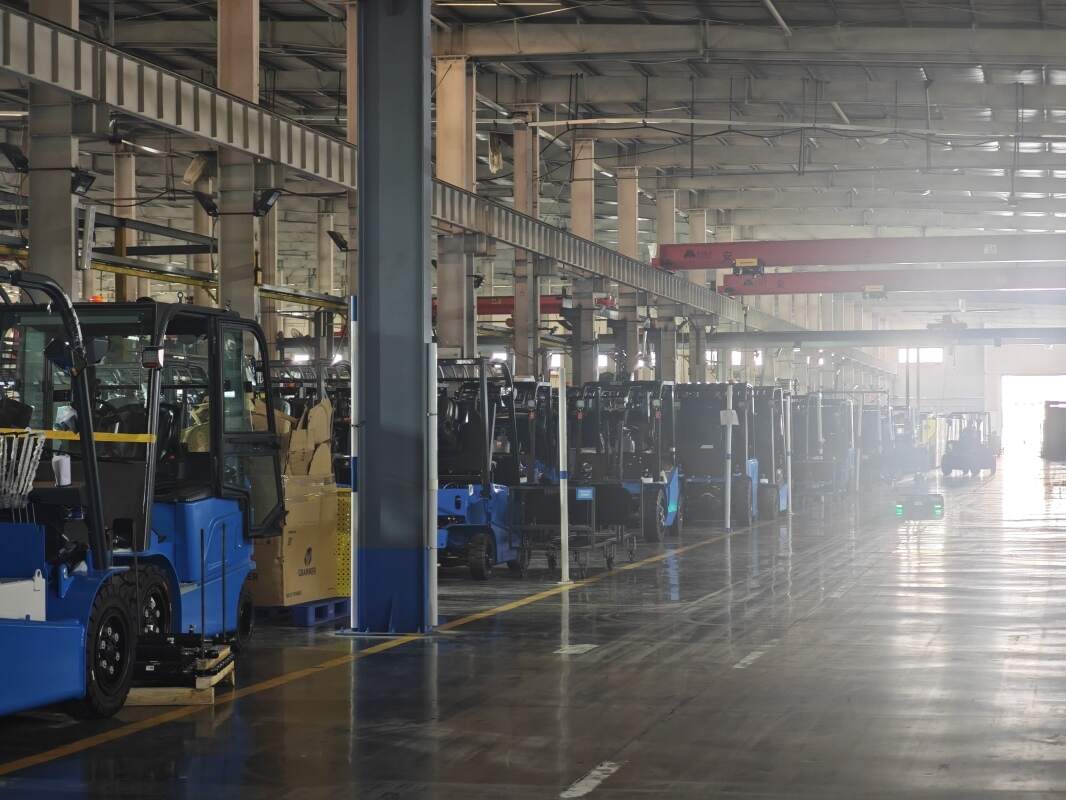
As low-carbon logistics and green warehouse operation concepts gain wider recognition across the material handling industry, electric forklifts have become a widely adopted equipment choice for most indoor and semi-outdoor operation scenarios. Many operation teams still face common confusion in giving full play to the use value of this equipment and reducing unnecessary operating costs. This guide sorts out practical, industry-recognized operation and management rules for all relevant teams for reference.
Core Performance Characteristics of Standard Electric Forklifts
Unlike internal combustion counterparts, electric forklifts rely on stored electrical energy to output traction and lifting power, with no exhaust emission generated during normal operation. Its noise level during operation is significantly lower than that of fuel-powered models, which makes it more suitable for closed indoor spaces such as food storage workshops, pharmaceutical logistics centers, and e-commerce sorting warehouses. The adjustable power output mode can also adapt to different load weights, avoiding unnecessary energy waste under light load working conditions and creating a more friendly working environment for on-site staff.
Routine Maintenance Points for Long-term Stable Operation
Regular daily checks before each shift can effectively reduce the probability of unexpected equipment failure. Operators need to check the remaining power status, tire wear condition, lifting chain lubrication degree and brake sensitivity before starting the equipment every day. It is also necessary to arrange regular professional inspection of the power system and motor components according to the actual operation frequency, so as to eliminate hidden dangers in the early stage. Users should follow the official operation specifications to complete the charging process, avoid long-term over-discharge of the power unit, and extend the overall service cycle of core components.
Scene Matching Tips to Improve Operation Efficiency
For narrow aisle operation scenarios, operators can select equipment with corresponding body width and load capacity according to the actual channel size, to avoid operation obstruction caused by mismatched models. For frequent high-lifting operation scenarios, it is recommended to pre-adjust the response speed of the lifting system according to the operator's operating habit, to balance operation stability and work efficiency. The operation team can also arrange reasonable shift handover and charging schedules according to the daily operation volume, to avoid equipment downtime caused by sudden power shortage during peak operation hours. Standardized use and targeted management can help enterprises give full play to the value of electric forklift equipment, create a safer and more efficient material handling environment, and reduce comprehensive operation costs.


